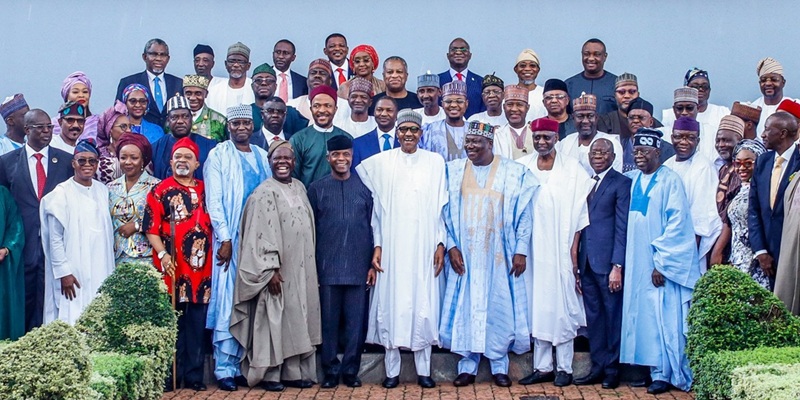
TDThe Economic and Financial Crimes Commission (EFCC) has pursued multiple corruption cases involving prominent officials from former President Muhammadu Buhari’s administration. Below are summaries of ten notable cases:
1. Saleh Mamman — Former Minister of Power
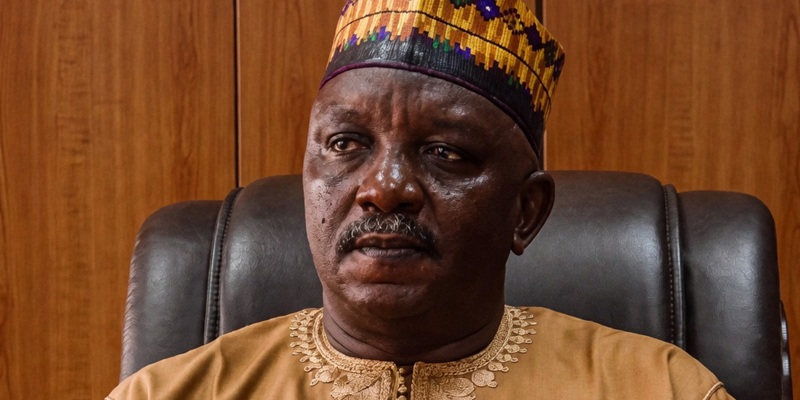
Saleh Mamman, who served as Minister of Power, was accused of laundering ₦33.8 billion during his tenure.
The EFCC charged him with 12 counts of money laundering, and after a lengthy trial, he was convicted.
The Federal High Court handed down a sentence of 75 years’ imprisonment, marking one of the most severe punishments for a Buhari-era appointee.
His conviction underscores the EFCC’s determination to prosecute high-level corruption and sends a strong message about accountability in public office.
Mamman’s case remains a reference point in Nigeria’s fight against financial crimes.

2. Hadi Sirika — Former Minister of Aviation
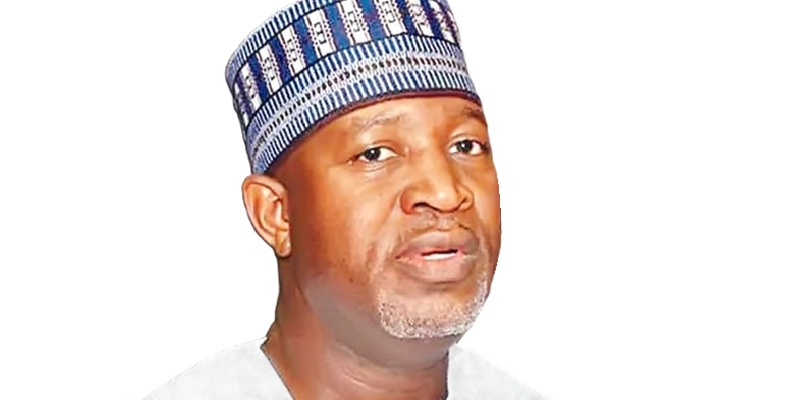
Hadi Sirika, who oversaw Nigeria’s aviation sector, is facing trial over allegations of defrauding ₦5.8 billion.
The EFCC alleges that contracts and funds were mismanaged under his watch, raising questions about transparency in aviation projects.
While the case is still ongoing, it has drawn significant public attention due to Sirika’s role in high-profile initiatives.
One of such initiatives is the controversial Nigeria Air project.
His trial highlights the EFCC’s scrutiny of infrastructure-related ministries and the challenges of proving complex fraud allegations in court.
The outcome remains uncertain as proceedings continue.

3. Abubakar Malami — Former Minister of Justice
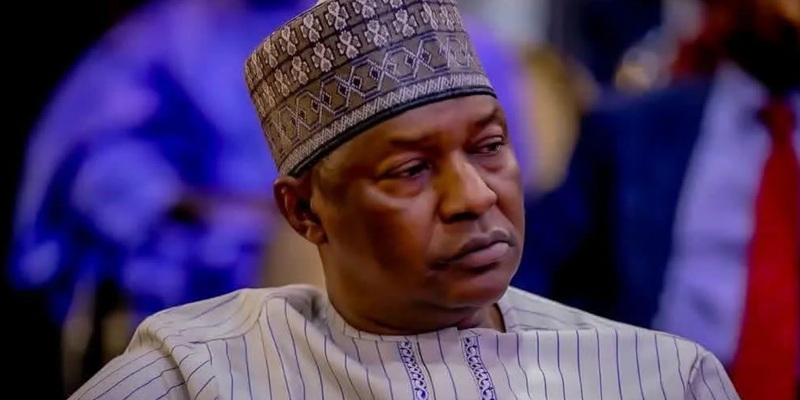
Abubakar Malami, Nigeria’s former Attorney-General and Minister of Justice, is on trial for allegedly laundering ₦8.7 billion.
The EFCC accuses him, alongside family members, of conspiracy, concealment, and laundering of illicit funds.
His case is particularly notable given his position as the nation’s chief law officer, raising concerns about integrity at the highest levels of government.
Malami has denied wrongdoing, and the trial is ongoing.
The proceedings have attracted widespread attention, testing Nigeria’s commitment to holding even its top legal officials accountable for alleged financial misconduct.
4. Chris Ngige — Former Minister of Labour
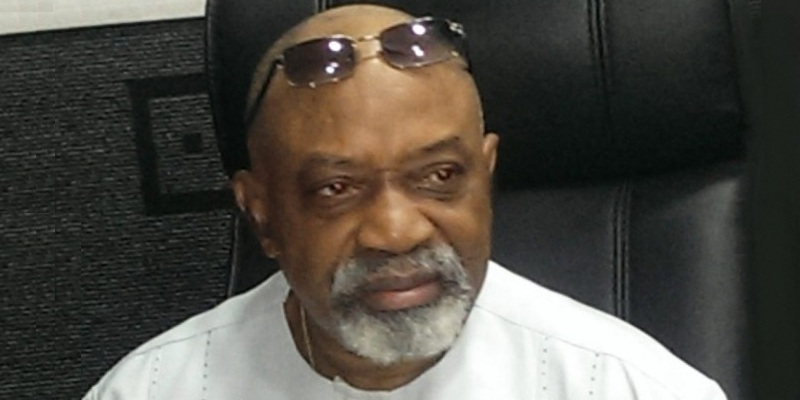
Chris Ngige, who served as Minister of Labour, is currently facing trial for allegedly laundering ₦2.2 billion.

The EFCC claims the funds were siphoned through questionable transactions during his time in office.
Ngige’s case is still in court, with prosecutors presenting evidence of financial irregularities.
His trial underscores the EFCC’s focus on ministries responsible for workers’ welfare and employment, where transparency is critical.
While no conviction has been secured yet, the case remains a reminder of the pervasive corruption allegations that plagued Buhari’s administration.
5. Timipre Sylva — Former Minister of State for Petroleum Resources
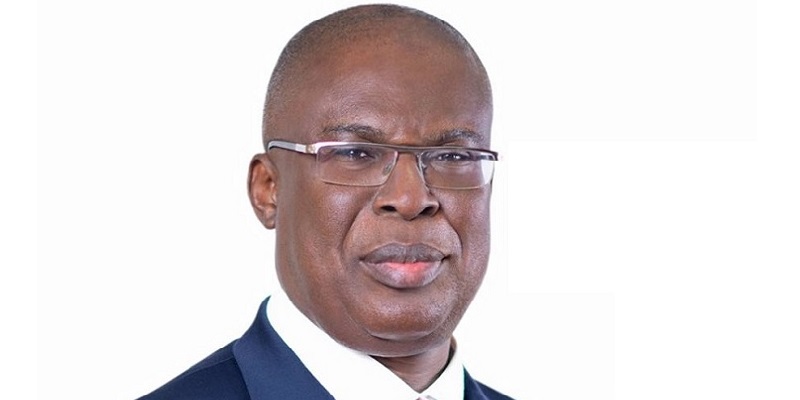
Timipre Sylva, former Minister of State for Petroleum Resources, is on trial for allegedly laundering $14,859,257.
The EFCC alleges that the funds were diverted through suspicious transactions linked to petroleum sector dealings.
Sylva’s case is significant given the oil industry’s central role in Nigeria’s economy and its history of corruption scandals.
The trial is ongoing, with prosecutors working to establish a clear trail of illicit financial flows.
Sylva has denied the allegations, and the case continues to attract public interest due to its potential impact on Nigeria’s petroleum governance.
6. Sadiya Umar Farouq — Former Minister of Humanitarian Affairs
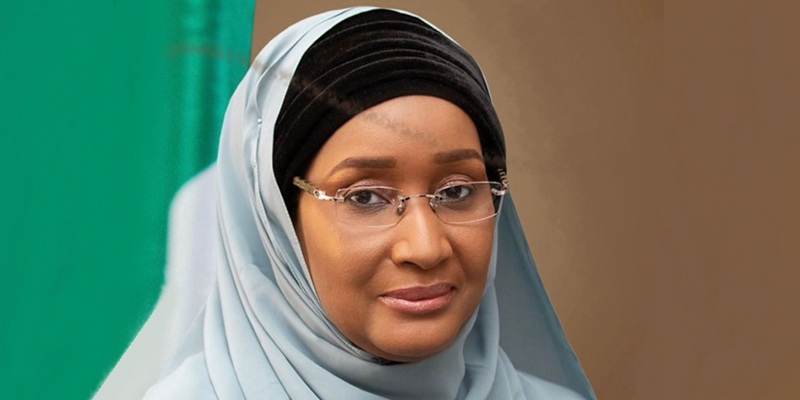
Sadiya Umar Farouq, who led the Ministry of Humanitarian Affairs and Social Development, has been declared wanted by the EFCC over allegations of diverting public funds.
Her ministry was responsible for social intervention programs, including cash transfers and humanitarian aid, making the allegations particularly sensitive.
The EFCC claims large sums meant for vulnerable Nigerians were misappropriated.
Farouq’s case has sparked outrage, as it touches on funds intended for poverty alleviation.
Her current status as a fugitive underscores the seriousness of the charges and the EFCC’s determination to pursue accountability.
7. Godwin Emefiele — Former CBN Governor
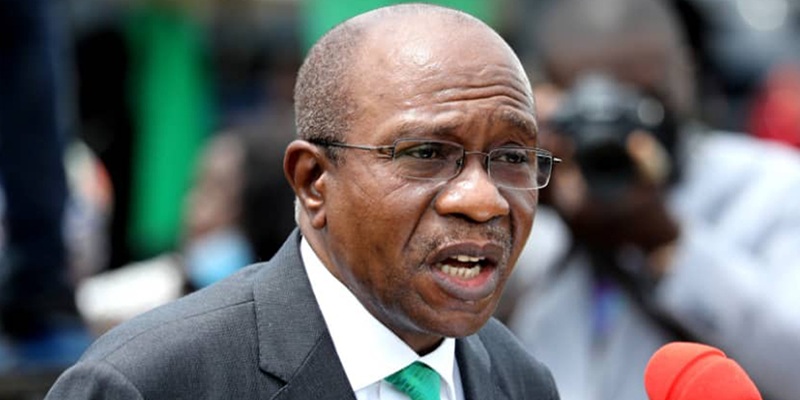
Godwin Emefiele, former Governor of the Central Bank of Nigeria, is facing trial in two separate cases involving alleged fraud of $6,230,000 and ₦684,500,000.
The EFCC accuses him of mismanaging funds and engaging in corrupt practices during his tenure.
His trial is ongoing, with prosecutors presenting evidence of financial irregularities tied to CBN operations.
Emefiele’s case is one of the most high-profile prosecutions, given his influence over Nigeria’s monetary policy.
The proceedings highlight concerns about transparency in the apex bank and the broader implications for Nigeria’s financial stability.
8. Babachir Lawal — Former SGF
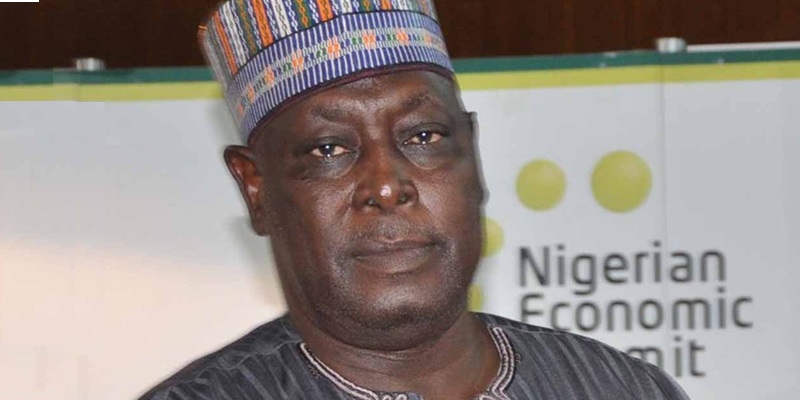
Babachir Lawal, former Secretary to the Government of the Federation, was accused of diverting ₦544 million through fraudulent contract awards.
The EFCC charged him with corruption linked to grass-cutting contracts under the Presidential Initiative on the North-East (PINE).
However, after trial, Lawal was discharged and acquitted by the court, which ruled that the prosecution failed to prove its case beyond reasonable doubt.
His acquittal sparked debate about the effectiveness of Nigeria’s anti-corruption prosecutions and whether political influence played a role.
Lawal’s case remains controversial in public discourse.
9. Ahmed Idris — Former Accountant General of the Federation
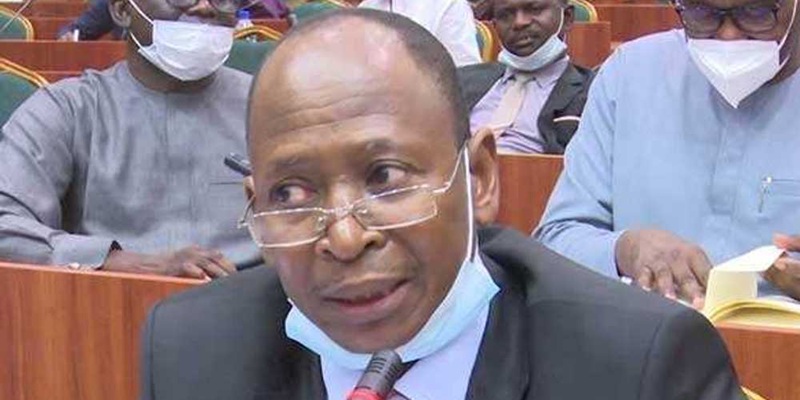
Ahmed Idris, Nigeria’s former Accountant General, is on trial for allegedly diverting ₦109.5 billion.
The EFCC accuses him of using front companies and collaborators to siphon public funds.
His case is currently at the prosecution stage, with witnesses presenting evidence of large-scale financial mismanagement.
Idris’s trial is one of the largest corruption cases in Nigeria’s history, given the staggering amount involved.
The proceedings highlight systemic weaknesses in financial oversight and the urgent need for reforms in public sector accounting.
The outcome will be closely watched as a test of Nigeria’s anti-corruption resolve.
10. Usman Yusuf — Former NHIS Executive Secretary
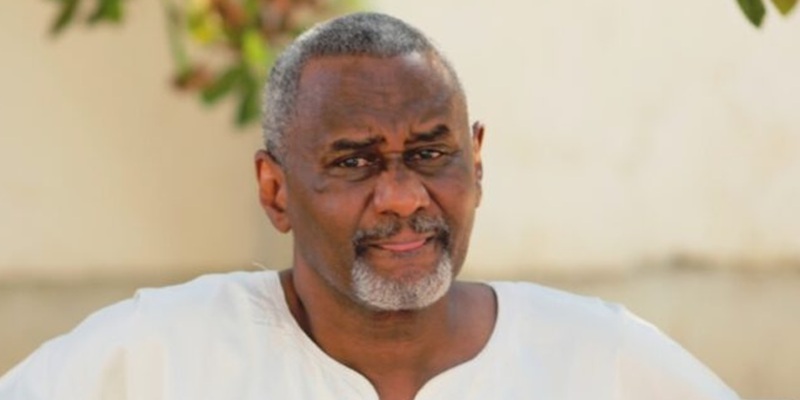
Usman Yusuf, former Executive Secretary of the National Health Insurance Scheme (NHIS), is facing trial for allegedly diverting ₦90.4 million.
The EFCC claims the funds were misappropriated through irregular transactions during his leadership of the health insurance agency.
His case is still at the prosecution stage, with evidence being presented in court.
Yusuf’s trial underscores the importance of accountability in Nigeria’s healthcare financing system, where corruption undermines access to affordable health services.
The case remains ongoing, and its resolution will be critical in restoring public trust in the NHIS.
Bottom Line
Together, these cases illustrate the EFCC’s sweeping crackdown on alleged corruption among Buhari-era officials.
The outcomes range from convictions to acquittals, and several trials still in progress.