



TDThe Federal Government of Nigeria has concluded plans to arraign individuals accused of plotting a coup against the state, filing a 13-count charge bordering on treason and terrorism.
The arraignment is expected to take place before the Federal High Court in Abuja.
It will mark a significant step in the prosecution of one of the country’s most serious national security cases in recent times.
Court Proceedings and Charges
According to reports, the case will be heard by Justice Joyce Abdulmalik, with the Office of the Attorney-General of the Federation leading the prosecution.
The accused persons are expected to face a 13-count charge.
The charges include allegations that they conspired to wage war against the Nigerian state and undermine the authority of the government.

These offences fall under treason and terrorism-related provisions in Nigerian law, both of which carry severe penalties if proven.
Legal documents indicate that the defendants allegedly engaged in actions aimed at destabilizing the government and creating conditions for an unconstitutional takeover.
Background to the Alleged Coup Plot
The development follows earlier reports that security agencies had uncovered a coordinated plot involving both military and civilian actors.
Initial arrests reportedly included several serving and retired officers, sparking widespread concern over national stability.
International reporting also confirms that some suspects, including security personnel, are already in custody.
In the meantime, others are being tracked by authorities.

The charges include conspiracy to “levy war against the state,” a key element in treason cases.
The government had initially denied reports of a coup attempt before later acknowledging that investigations into alleged misconduct and conspiracy were ongoing.
Names of the Alleged Coup Plotters
The identities of alleged coup plotters in Nigeria vary depending on which phase of the investigation or prosecution.
Authorities have named military officers, civilians, and political figures across different reports.
1. Key Individuals Facing Treason Charges
Recent court filings show that at least six suspects have been charged with treason and terrorism, while a seventh person is being sought:
- A retired Major General (name not fully disclosed publicly in some filings)
- A serving police inspector
- Other unnamed co-conspirators
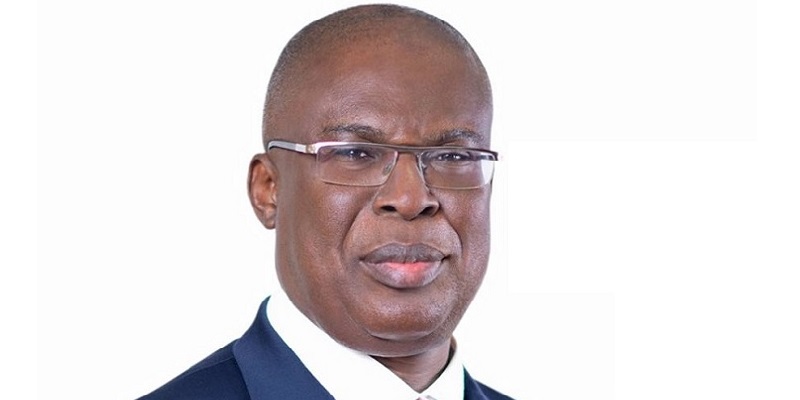
- Timipre Sylva – accused of helping conceal or finance the plot (reportedly at large)
Authorities allege they “conspired to levy war against the state” in a bid to overthrow the government.

2. Named Military Officers Linked to the Alleged Plot
Earlier investigations by Nigeria’s military and security agencies identified 16 officers.
Some of the most prominent names include:
- Brigadier General Musa Abubakar Sadiq
- Colonel M. A. Ma’aji
- Lieutenant Colonel S. Bappah
- Lieutenant Colonel A. A. Hayatu
- Lieutenant Colonel P. Dangnap
- Lieutenant Colonel M. Almakura
- Major A. J. Ibrahim
- Major M. M. Jiddah
- Major M. A. Usman
- Major D. Yusuf
- Major I. Dauda
- Captain I. Bello
- Captain A. A. Yusuf
- Lieutenant S. S. Felix
- Lieutenant Commander D. B. Abdullahi (Navy)
- Squadron Leader S. B. Adamu (Air Force)
These officers were drawn from Army, Navy, and Air Force units, indicating a multi-branch involvement.
3. Expanded List of Suspects
Investigative reports indicate that as many as 40 suspects were detained at some stage, including:
- Additional lieutenant colonels and majors
- Officers from specialized units (signals, special forces, intelligence)
- Alleged financiers, including:
- Timipre Sylva
- A retired officer identified as General Adamu
Important Clarifications
- Not all named individuals have been formally charged in civilian courts
- Some are facing military court-martial, not public trial
- Others remain under investigation or at large
- The government initially denied a coup plot before confirming investigations
Legal and Security Implications
Treason remains one of the most serious offences under Nigerian law, often punishable by life imprisonment or death, depending on the severity and circumstances.
Analysts note that the decision to formally arraign the suspects signals a transition from investigation to prosecution.
The approach will ensure that the matter is handled within the judicial system.
Legal experts have previously emphasized the importance of due process in such cases.
They stressed that suspects must be tried in a competent court to uphold constitutional standards and avoid prolonged detention without trial.
Rising Concerns Over Political Stability
The case comes amid broader regional concerns about political instability in West Africa, where several countries have experienced coups or attempted takeovers in recent years.
Nigeria, however, has maintained democratic governance since 1999, making the alleged plot particularly sensitive.
Observers say the outcome of the trial could have far-reaching implications for civil-military relations, national security, and public confidence in democratic institutions.
With the arraignment set to commence, attention will shift to the courtroom as the Federal Government seeks to prove its case against the alleged coup plotters.
The proceedings are expected to test the strength of Nigeria’s legal framework in handling high-stakes national security matters while balancing justice and the rule of law.