



TDNigeria’s main opposition party, the Peoples Democratic Party (PDP), has announced an adjustment to its timetable and schedule of activities ahead of the 2027 general elections.
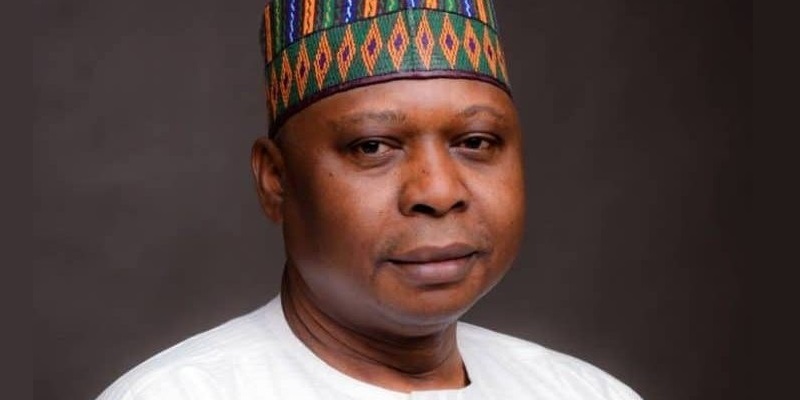
The development was disclosed in a press release issued on Friday and signed by the party’s National Publicity Secretary, Jungudo Haruna Mohammed.
Timetable Adjustment Confirmed
According to the statement, the revised schedule replaces the earlier timetable released by the party as part of its preparations for the next electoral cycle.
“The general public, party members, and all relevant stakeholders are advised to take note of these changes and act accordingly,” the statement read.
The PDP assured that comprehensive information regarding the revised schedule would be made available in due course.
Specific details of the updated timetable were disclosed an attached document.
Overview of a clear, structured analysis of the document
Below are details of an official timetable released by the PDP outlining its Schedule of Activities for the 2027 General Elections.
It aligns with the 1999 Constitution (as amended), the Electoral Act 2026, and guidelines of the Independent National Electoral Commission (INEC).
Key Timeline Breakdown
1. Early Administrative Steps (April 2026)
- Submission of party register to INEC: April 21, 2026
- Notification to INEC for primaries: April 22, 2026, in compliance with INEC regulations before internal processes begin.
2. Forms & Aspirant Entry Phase
- Sale of forms: April 27 – May 4, 2026
- Deadline for submission: May 9, 2026
Very tight window (about 2 weeks total), suggesting:
- PDP wants to fast-track candidate emergence
- Only serious aspirants with resources/logistics can participate
3. Screening Process (May 2026)
- Screening of aspirants begins: May 11–12
- Appeals: May 13–14
The compressed screening timeline indicates:
- High internal preparedness
- Possible reliance on pre-vetted aspirants or political consensus
4. Primary Elections Timeline
- House of Representatives: May 17
- Senate: May 20
- State Assembly: May 22
- Governorship: May 24
- Presidential Primary: May 26
Notable insight:
- The Presidential primary comes last, allowing:
- Alignment with outcomes of other primaries
- Strategic coalition building before choosing a flag bearer
5. Final Appeals
- All appeals conclude: May 30, 2026
Entire candidate selection process is completed within ~6 weeks, which is unusually fast.
Cost of Forms (Critical Political Insight)
| Position | Total Cost |
|---|---|
| House of Assembly | ₦3 million |
| House of Reps | ₦4 million |
| Senate | ₦6 million |
| Governorship | ₦21 million |
| Presidential | ₦51 million |
Observations
- Presidential form at ₦51 million is extremely high
- Governorship also costly at ₦21 million
Implications:
- Strong financial barrier to entry
- Likely favors:
- Political elites
- Established power blocs
- Candidates with backing
Gender Policy
- Female aspirants pay only Expression of Interest fees
This is a strategic inclusion policy, aimed at:
- Encouraging women’s participation
- Improving party image on gender equity
Strategic & Political Implications
1. Early Preparation for 2027
PDP is moving well ahead of other parties, indicating:
- Serious intent to reorganize after previous electoral losses
- Desire to stabilize internal structures early
2. Risk of Internal Tension
Compressed timelines + high fees could lead to:
- Disputes over transparency
- Legal challenges from excluded aspirants
- Post-primary defections
3. Centralized Control
The speed and structure suggest:
- Strong influence of party leadership
- Possible consensus candidacy strategy in key races
Bottom Line
This timetable reflects a highly strategic, fast-paced, and financially demanding primary process by the PDP, designed to:
- Quickly produce candidates
- Maintain internal control
- Position the party early for the 2027 elections
However, it also raises concerns about:
- Inclusiveness
- Transparency
- Potential internal conflicts
Strategic Move Ahead of 2027 Elections
Political observers say the adjustment signals ongoing internal recalibration within the PDP, as the party positions itself for what is expected to be a highly competitive 2027 general election.
Such timetable revisions typically affect:
- Party primaries
- Congresses at ward, local, and state levels
- Screening of aspirants
- Campaign timelines
The move may also reflect efforts to align internal processes with evolving political realities, including alliances, defections, and electoral strategy.
Stakeholders Urged to Take Note
The PDP called on party members, aspirants, and stakeholders nationwide to stay updated and comply with the forthcoming changes to avoid disruptions in participation.
The adjustment comes at a time when political activities across Nigeria are gradually intensifying, with parties laying early groundwork for the 2027 polls.
Analysts anticipate that the revised timetable—once released—could reshape internal party dynamics, influence aspirant positioning, and potentially trigger new alignments within the opposition bloc.

For now, attention remains on the PDP leadership as stakeholders await the full breakdown of the updated election schedule.