



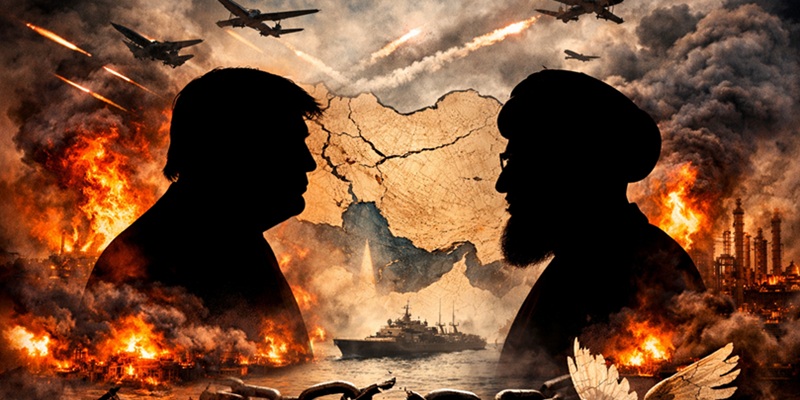

TD The U.S.-Iran conflict is entering a new and potentially dangerous phase, with Israeli Prime Minister, Benjamin Netanyahu, alleging that Iran attempted to assassinate one of his sons.
Meanwhile, Washington is escalating economic pressure on Tehran, as Iran tightens its stance on shipping through the strategically vital Strait of Hormuz.
🔴 KEY DEVELOPMENTS
- Netanyahu makes assassination claim: Israeli Prime Minister Benjamin Netanyahu has reportedly alleged that Iran attempted to assassinate one of his sons.
- US launches “Economic D-Day” offensive: U.S. Treasury Secretary Scott Bessent has unveiled an expanded sanctions campaign designed to sever Iran’s remaining economic lifelines.
Washington has warned countries and companies doing significant business with Iran that they could face secondary sanctions.
- US targets Iran’s financial lifelines: The new measures target Iranian-linked activities involving shipping, aviation, technology, gold and digital assets.
Washington warns that entities facilitating Iranian financial activity could lose access to the U.S.-dominated financial system.
- Iran threatens ship seizures: Tehran has warned that vessels violating its newly specified transit rules in the Strait of Hormuz could face fines, detention or seizure.
Iran has reportedly placed dozens of vessels on a blacklist.
- Tanker struck near Oman/Hormuz: The UK Maritime Trade Operations (UKMTO) reported that an oil tanker was hit by an unknown projectile about nine nautical miles northeast of Ash Shishah, Oman.
The projectile damaged the engine room and disabled the vessel.

The crew were reported safe, while the environmental impact remained unknown. Authorities are investigating.
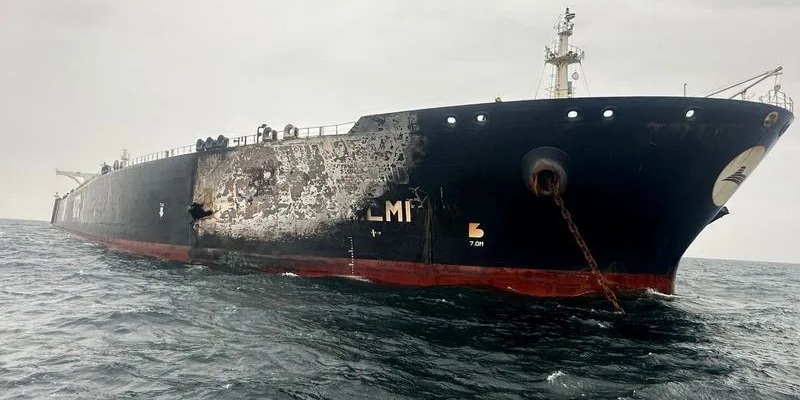
- Maritime alert issued: UKMTO advised vessels operating in the area to “transit with caution” and report suspicious activity.
- Iran threatens retaliation: Tehran has warned of consequences if countries cooperate with the expanded U.S. sanctions campaign.
The warning portrays the measures as economic warfare.
- Houthi attacks remain a regional threat: Yemen’s Iran-aligned Houthi movement has claimed attacks against Saudi-linked shipping.
The attack added another layer of danger to commercial maritime traffic in the Red Sea.
- Tanker incident near Saudi Arabia: A separate tanker incident has been reported in the vicinity of Saudi Arabia’s Red Sea coast, amid continuing attacks and threats against maritime traffic.
- Iranian rial collapses: Iran’s currency has fallen through the 2-million-rial-per-dollar level on the unofficial market.
The currency reached a historic low as Tehran faces mounting economic pressure.
- Trump says Iran is collapsing: President Donald Trump has described Iran as “completely collapsing” amid the intensifying economic pressure.
- Hormuz becomes a major flashpoint: The threat of vessel detention or seizure is combined with the latest tanker strike.
It is increasing concerns about the security of one of the world’s most important energy corridors.
- Iraq proposes regional security mechanism: Iraq has proposed closer security coordination involving Saudi Arabia and Iran.
The proposal reflects concern that the U.S.-Iran confrontation could destabilise the wider Gulf region.

- Iran says partners will resist US pressure: Tehran says its trading partners have assured it that they will not give consideration to U.S. threats.
- Washington keeps military option open: The United States has indicated that further military action against Iran remains possible even as the administration intensifies its economic campaign.
- US removes Syria from terrorism list: Washington has formally removed Syria from its State Sponsors of Terrorism designation.
The removal marks a significant change in U.S. policy toward Damascus.
- Turkey welcomes Syria decision: Turkey has welcomed Washington’s removal of Syria from the U.S. terrorism-sponsor list.
Turkey views it as potentially helpful to Syria’s economic and political reintegration.
🚨 THE BIGGEST IMMEDIATE RISK: STRAIT OF HORMUZ
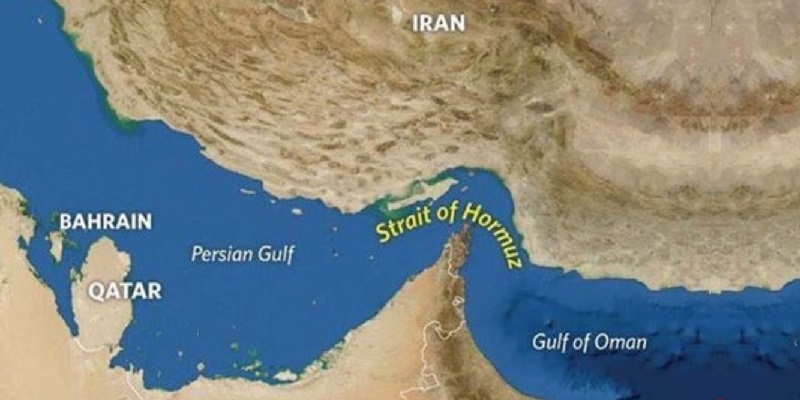
The latest developments have placed the Strait of Hormuz at the centre of the confrontation.
Iran’s threats against vessels violating its transit rules are particularly significant because the strait is a critical international energy route.
Legal experts note that international navigation rights through such strategic waterways raise complex questions that cannot simply be overridden by unilateral restrictions.
The tanker strike reported by UKMTO further raises the risk to commercial shipping.

Importantly, UKMTO has not attributed the attack to Iran or any other actor; the incident remains under investigation.
🌍 ECONOMIC WAR MEETS MILITARY ESCALATION
The confrontation is now unfolding simultaneously on three fronts:
1. Economic: Washington is tightening sanctions and threatening secondary penalties.
2. Maritime: Commercial vessels face increasing risks around Hormuz and the Red Sea.
3. Military: Washington continues to leave open the possibility of renewed strikes.
Meanwhile, Iran’s collapsing currency demonstrates the enormous economic pressure already being placed on the country.
The rial’s fall beyond two million to the dollar is another indication of the severity of the crisis.
The central question now is whether the new U.S. economic offensive will force Tehran back to negotiations—or trigger another escalation across the Gulf and Middle East.