
 Nigeria’s 2027 presidential election could face a major political crisis following revelations that opposition presidential candidates are considering a coordinated boycott of the polls over growing controversies surrounding the Independent National Electoral Commission (INEC).
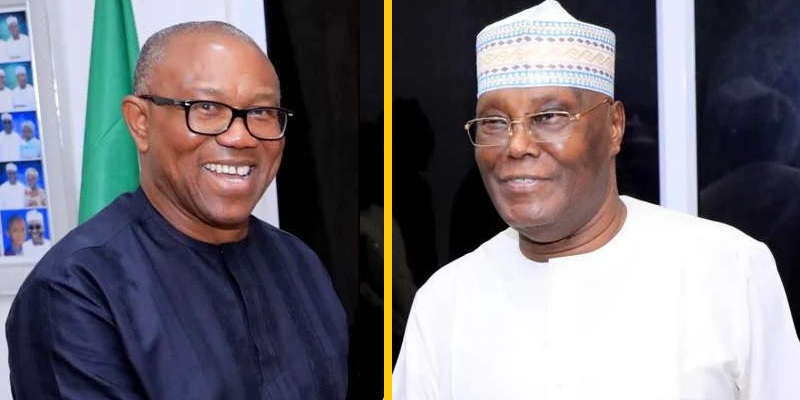
A source close to former Anambra State Governor and presidential candidate of the Nigeria Democratic Congress (NDC), Mr Peter Obi, has exclusively informed This Dawn News that arrangements are reportedly underway for opposition candidates to jointly withdraw from the forthcoming presidential election.
According to the source, the proposed action is being considered in response to what opposition figures allegedly regard as a growing loss of confidence in INEC’s ability to organise a transparent, credible and reliable election.
The source disclosed that, barring any significant changes in the coming days, opposition representatives could address an international press conference to announce their position and explain the reasons behind the proposed boycott.
However, This Dawn News could not independently establish the identities of all the candidates involved, the precise scope of the consultations or whether a final agreement to boycott the election has been reached.
Neither Peter Obi nor the NDC leadership had publicly confirmed the alleged decision as of the time of filing this report.

INEC CONTROVERSIES AT THE CENTRE OF THE DISPUTE
The reported opposition discussions come amid mounting criticism of INEC following revelations that artificial intelligence-generated photographs and other questionable entries found their way into the commission’s preliminary Register of Voters.
The controversy intensified after INEC’s Director of Information and Communication Technology, Dr Lawrence Bayode, acknowledged that some registration officers allegedly exploited their access credentials to introduce irregularities into the voter registration database.
Speaking on Arise Television on October 30, Bayode disclosed that some photographs were AI-generated, while others resulted from what he described as very poor registration practices.
He also acknowledged that the commission’s Automated Biometric Identification System (ABIS) had helped identify the questionable records.
In a subsequent clarification reported by Channels Television on November 1, INEC disclosed that 268 records had been flagged for examination.
The commission said it had commenced the process of cleaning up the affected records, distinguishing between entirely AI-generated photographs and genuine photographs enhanced using artificial intelligence tools.

INEC Chairman, Professor Joash Amupitan, has also acknowledged that the commission is investigating the discrepancies and would take corrective action based on verified findings.
The commission maintains that the preliminary register is undergoing verification and that the final certified register is expected on December 15, 2026.
Nevertheless, the revelations have intensified public demands for accountability, transparency and an independent examination of the electoral database.
THE ALLEGED POLITICAL AFFILIATION OF THE INEC CHAIRMAN
Another issue reportedly featuring prominently in the opposition’s concerns is an allegation that INEC Chairman, Professor Joash Amupitan, is a card-carrying member of the ruling All Progressives Congress (APC).
The allegation, if substantiated, could raise serious questions about perceptions of institutional impartiality and public confidence in the electoral umpire.
However, This Dawn News has not independently verified documentary evidence establishing that Amupitan holds APC membership.

The allegation therefore remains unverified and requires clarification from the INEC chairman and the commission.
OTHER CONTROVERSIES RAISING QUESTIONS ABOUT INEC
Beyond the AI-generated voter photographs, several other controversies and allegations have emerged concerning the commission’s operations, voter registration procedures and preparations for the 2027 elections.
They include:
- Suspected AI-generated voter photographs: INEC has flagged questionable voter records for investigation.
- Allegations of fraudulent voter registrations: Political actors have demanded explanations over suspected irregularities in the voter database.
- Questions over the integrity of the preliminary voter register: Duplicate records, questionable photographs and reported entries belonging to deceased Nigerians have generated public concern.
- Alleged inflation of voter registration figures: Questions have been raised about discrepancies in registration figures across certain states.
- Missing youth voter records: Concerns have been expressed over the whereabouts of millions of young Nigerians reportedly missing from expected registration figures.
- Alleged political interference in INEC appointments: Questions have been raised over the redeployment of personnel to sensitive electoral positions.
- Controversies involving party candidates: Political parties have accused INEC of publishing unauthorised candidates or altering submitted candidate information.
- Alleged breaches of INEC’s secure voter portal: Questions have also been raised about access to the commission’s electronic registration infrastructure.
- Disputed electoral documentation: Controversies surrounding candidate nomination forms and educational qualifications have further contributed to the political atmosphere.
- Concerns over election result management: Previous controversies involving result transmission, disputed declarations and alleged mutilation of election results have continued to feature in discussions about the credibility of the 2027 polls.
These issues have generated demands for explanations from INEC, although the allegations differ in their evidentiary status and should not be treated as established findings of wrongdoing.
THE 2027 ELECTION UNDER PRESSURE
The stakes are particularly significant because INEC has scheduled the presidential and National Assembly elections for January 16, 2027.
The commission is constitutionally responsible for organising and conducting elections, making public confidence in its neutrality, transparency and administrative capacity essential to the electoral process.
A coordinated opposition boycott, if formally adopted, could introduce another major controversy into preparations for the election.
It could also generate questions about political participation, electoral legitimacy and the representation of opposition supporters who expect their preferred candidates to appear on the ballot.
The development would not be without precedent in Nigeria’s political history, where opposition parties have previously threatened electoral boycotts over disagreements with electoral authorities and concerns about the political environment.
Indeed, opposition parties had already considered a possible boycott of the 2027 elections earlier in 2026, although the latest allegation suggests that discussions may be taking a new direction.
WILL THE OPPOSITION BOYCOTT THE 2027 ELECTION?
For now, the alleged coordinated boycott remains a developing story.
The central questions are whether Peter Obi and other opposition presidential candidates have reached a formal agreement, whether their respective political parties have endorsed the proposed action, and what specific conditions could persuade them to reconsider.
INEC also faces the challenge of demonstrating that the controversies surrounding the preliminary voter register are being addressed through transparent investigations, credible corrections and appropriate accountability measures.
The commission’s response to these concerns could prove significant in determining whether opposition parties maintain confidence in the electoral process.
This Dawn News will continue to monitor developments surrounding the alleged consultations, any proposed international press conference and official reactions from the affected political parties and INEC.
The fundamental question confronting Nigeria ahead of 2027 is whether the country’s political stakeholders can establish sufficient confidence in the electoral process to ensure that the next presidential election commands public acceptance.
The report below is framed as an exclusive developing story.
An important editorial distinction is maintained: the alleged opposition boycott is based on information from a confidential source and has not yet been independently confirmed by the named candidates or their parties.
The allegation concerning the INEC chairman’s APC membership also requires documentary confirmation.
Supporting reports from This Dawn News
The following previously published reports provide background to the controversies referenced in this special report.
- INEC Flags 268 Voter Records Over Suspected AI Photos
- INEC Must Explain AI-Generated Voter Records, 20m Fraudulent Votes for APC — NDC
- INEC ICT Director Admits AI-Generated Photos, Widespread Irregularities in Voters’ Register
- Caught in the Act: INEC Inflates Voter Register in APC States
- Shocker: INEC Retains Voter Details of Dead Nigerians
- Busted: INEC Using AI to Generate Fake Names, Images, IDs
- Where Are Nigeria’s Missing 7.28 Million Youth Voters?
- Showunmi: INEC Redeploys Wife of Tinubu Campaign Spokesman to Sensitive Office
- Why We Excluded Some Governorship Candidates from 2027 Election List — INEC
- Tinubu Weaponising Security Agencies, Judiciary, INEC to Rig 2027 Presidential Election — Von Batten
- Oborevwori, Like Tinubu, Submits Vacant INEC Form
- NDC Accuses INEC of Replacing Party’s Candidates with Unauthorised Names
- More Trouble for Tinubu as INEC Form Demands Evidence of All Educational Qualifications
- Oseni Rufai Raises Fresh Dust Over Absence of Tinubu’s Primary and Secondary School Records
- Nigerians Raise Alarm Over Alleged Deletion of Voter Registrations in South-East and South-South
- Nigerians Demand Answers: How Wike’s Aide Breached INEC’s Secure Voter Portal
- X-Ray of Election Controversy: Mutilated Results, INEC Declaration — A Foretaste of 2027?