



TDThe Kano-Maradi Railway is another testimony of Nigeria as a nation blessed with immense resources, enormous human capital, and boundless potential.
Yet, every so often, a project emerges that leaves citizens asking difficult questions about priorities, accountability, and value for money.
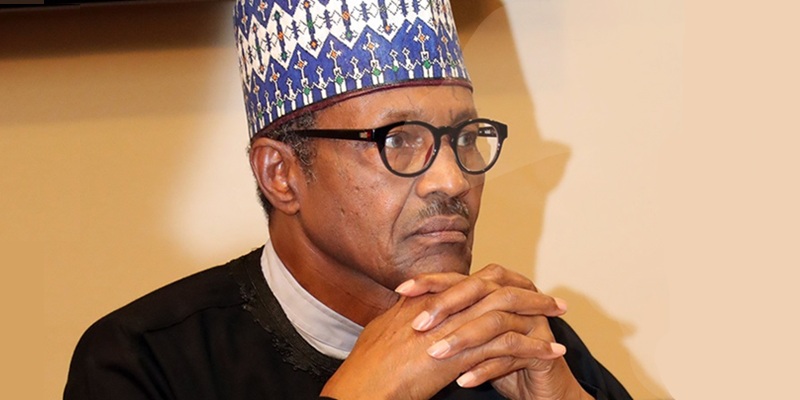
One such project is the controversial Kano-Maradi railway line, initiated during the administration of former President Muhammadu Buhari.
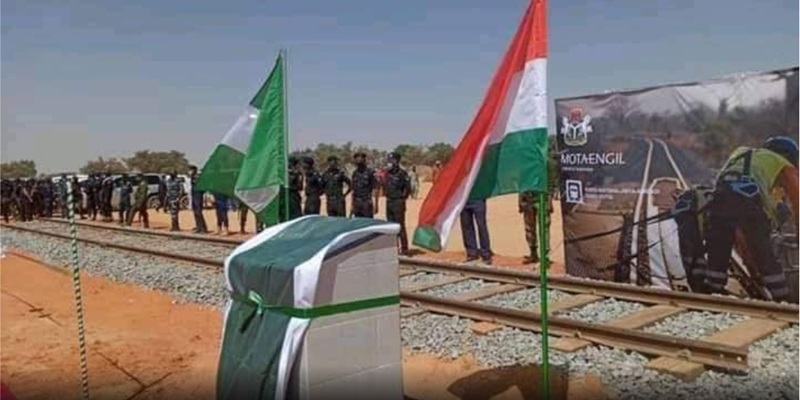
The project was conceived as a cross-border rail link connecting Kano in northern Nigeria to Maradi in neighbouring Niger Republic.
It was promoted as a strategic infrastructure investment that would boost trade, enhance regional integration, and stimulate economic growth across West Africa.
Years later, however, questions continue to swirl around the project.

Kano-Maradi Railway: Misplaced Priorities
With Nigeria struggling under mounting debt obligations, rising inflation, unemployment, and deteriorating public infrastructure, critics are asking whether the railway project has delivered the benefits that were promised when billions of dollars were committed to its construction.
The controversy surrounding the project has never been merely about rail transportation.
It has always been about priorities.
At a time when many communities across Nigeria lacked functioning hospitals, modern schools, reliable electricity, and safe roads, the decision to commit enormous public resources to a railway line extending into another country generated fierce debate.
Supporters argued that modern economies thrive on regional connectivity.
They maintained that linking Nigeria’s commercial centres with neighbouring markets would increase trade volumes and strengthen Nigeria’s position as West Africa’s economic powerhouse.

Opponents saw things differently.
They questioned why a nation facing severe domestic infrastructure deficits would invest heavily in a project extending beyond its borders while many railway lines within Nigeria remained underdeveloped or in need of rehabilitation.
Disuse, Vandalism Trail Kano-Maradi Railway
Today, those questions have not disappeared.
Instead, they have become louder.
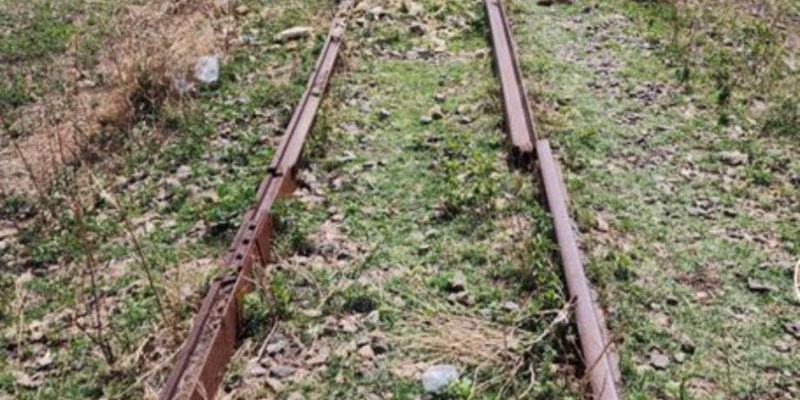
Reports and social media discussions alleging that sections of the rail infrastructure have fallen into disuse or suffered vandalism have fuelled public concern.
Watch video below:

Images and videos circulating online have prompted Nigerians to ask whether adequate measures were put in place to protect the infrastructure after construction.
If public assets worth billions are left vulnerable to theft, vandalism, or neglect, citizens naturally want answers.
The issue is particularly sensitive because railway projects are not cheap undertakings.
They involve significant borrowing, long repayment periods, and substantial commitments of public funds.
Justified Economic Returns or National Disaster?
Every naira spent on rail infrastructure ultimately comes from taxpayers or future generations who must repay the debts incurred to finance such projects.
This reality explains why concerns about value for money continue to dominate public conversations.
Economic analysts note that infrastructure projects are generally judged not by their construction alone but by their ability to generate long-term economic returns.
A railway line that carries passengers, transports goods efficiently, stimulates commerce, creates jobs, and generates revenue can justify large upfront costs.
A railway line that fails to achieve these objectives inevitably attracts scrutiny.
The Kano-Maradi project has therefore become a symbol of a broader national debate about governance and development planning.
How should Nigeria prioritise major projects?
What mechanisms exist to ensure infrastructure investments deliver measurable benefits?
Who is accountable when projects fail to meet expectations?
How are public assets protected after construction?
Most importantly, how does a country facing significant economic challenges ensure that every borrowed dollar translates into tangible improvements in citizens’ lives?
These are questions that extend far beyond any single railway line.
They strike at the heart of Nigeria’s development journey.
Unanswered Questions Haunt Kano-Maradi Railway
The country’s public debt profile has continued to generate concern among economists and civil society groups.
Every major project financed through loans inevitably raises questions about repayment obligations and long-term fiscal sustainability.
For ordinary Nigerians grappling with rising living costs, the debate is not abstract.
Citizens want to know whether borrowed funds are producing visible and lasting benefits.
They want evidence that infrastructure projects are improving productivity, reducing transportation costs, creating employment opportunities, and strengthening the economy.
They want accountability.
As discussions around the Kano-Maradi railway continue, one thing is clear: Nigerians are demanding greater transparency regarding major public projects.
The questions are simple:
- What was promised?
- What was delivered?
- What benefits have been achieved?
- What challenges have emerged?
- And what lessons can be learned to ensure future infrastructure investments provide maximum value for the nation?
Outlook
Until clear answers are provided, the railway project is likely to remain a powerful symbol in the ongoing national conversation about public spending, debt, accountability, and development.
For many Nigerians, the debate is no longer just about trains.
It is about trust.
It is about priorities.
And it is about whether every borrowed dollar is truly working for the people who will ultimately repay it.