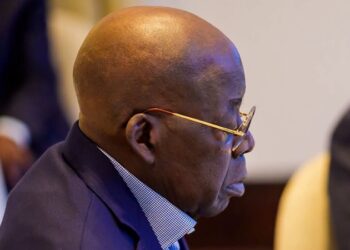



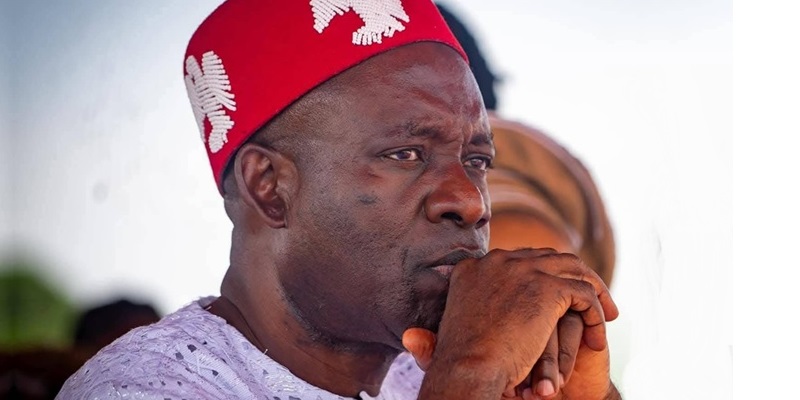

For the umpteenth time, Anambra State Governor Professor Charles Chukwuma Soludo has dropped a statement about Mr. Peter Obi, and predictably, the internet has exploded.
Barely 48 hours after the governor publicly urged voters in the South-East not to “waste your votes” on Peter Obi or Atiku Abubakar in 2027 but to back President Bola Tinubu instead, social media has been awash with outrage, hashtags, and fiery rebuttals from Obidients.
Once again, the familiar question echoes: Why are you people so worried about Prof. Soludo’s periodic statements on Peter Obi?
The pattern is now too consistent to ignore.
Whenever public discourse begins to shift away from the Anambra helmsman — whether after a major policy rollout, during festive seasons, or in the lull following his landslide re-election last November — a pointed remark about his predecessor surfaces.

And like clockwork, the reactions pour in. Soludo trends. The conversation resets. The governor remains firmly in the national spotlight.
Analysts who have followed the Soludo-Obi political tango since 2021 describe it as classic “content creation” politics.
One senior political strategist in Awka, who spoke on condition of anonymity, put it bluntly:
“Governor Soludo understands the economy of attention. In today’s Nigeria, relevance is currency.
“When the noise dies down, you manufacture the next headline.
“Peter Obi is the perfect lightning rod — universally loved by a passionate base, yet polarising enough to guarantee maximum engagement.”
Recall the timeline.
In August 2025, as soon as Obi publicly declared interest in the 2027 presidential race, Soludo mocked the idea of a one-term president, suggesting anyone making such a pledge needed “psychiatric examination.”
The backlash was swift and loud.

Fast-forward to November 2025: fresh from his certificate-of-return ceremony after a commanding re-election victory, Soludo labelled Obi a “frustrated politician without a club” and a “Ligue 1 player with no club,” while accusing him of damaging Anambra’s education sector.
Peter Obi responded with characteristic restraint, urging the governor to “eschew bitterness” and “be magnanimous in victory.”
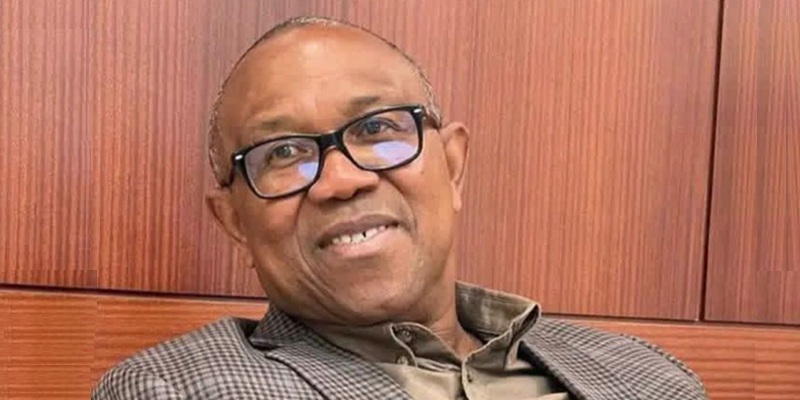
Now, in April 2026, with the political season heating up again, Soludo returns to the theme: “Don’t waste your votes on Peter Obi… the time for Igbo presidency is not now.”
The governor’s supporters insist it is plain talk — strategic counsel rooted in political realism.
His critics, particularly Obi’s vast social media army, see envy, bitterness, and a man still smarting from Obi’s decision to exit APGA and build a national movement outside the Southeast’s traditional power structures.
Yet the central irony remains: every time Soludo speaks, Obi’s name trends higher than most policy pronouncements from Abuja.

Obidients flood timelines with defence, memes, and counter-attacks. Neutral observers watch the spectacle.
And Soludo? He achieves exactly what many politicians crave — unfiltered national visibility without spending a kobo on sponsored posts.
The Anambra State Government has repeatedly pushed back against claims of envy.
In a November 2025 statement, the government noted Soludo’s towering credentials — former Central Bank governor, globally respected economist — and insisted he had “no reason to envy” Obi.
Yet the periodic nature of the remarks suggests something deeper than policy disagreement.
As one Abuja-based political commentator observed: “This is not personal; it is tactical.
“Soludo knows that silence is the enemy of a second-term governor seeking a bigger platform. Obi is the gift that keeps on giving — for both sides.”
Peter Obi himself has largely refused to descend into the gutter.
His responses have consistently emphasised humility, service, and moving the conversation to governance and national development.
In one recent reply, he simply prayed that God would grant Soludo “even greater heights” if that would inspire greater compassion.
The contrast in tone has only amplified the narrative that Soludo is the provocateur-in-chief.
So, to the question many are asking in private chats and public forums: Why the worry?
If the goal of these statements is to provoke reactions and stay relevant, then the outrage is precisely the desired outcome.
Soludo is not fading into obscurity; he is trending — again. And in the attention economy of Nigerian politics, that may be the ultimate win.
Whether this strategy serves the long-term interest of Anambra State or deepens unnecessary divisions in the South-East remains an open debate.
But one thing is certain: as long as Peter Obi remains a national political force, Prof. Soludo has found a reliable formula for staying in the headlines.
And right now, he is trending. Mission accomplished.