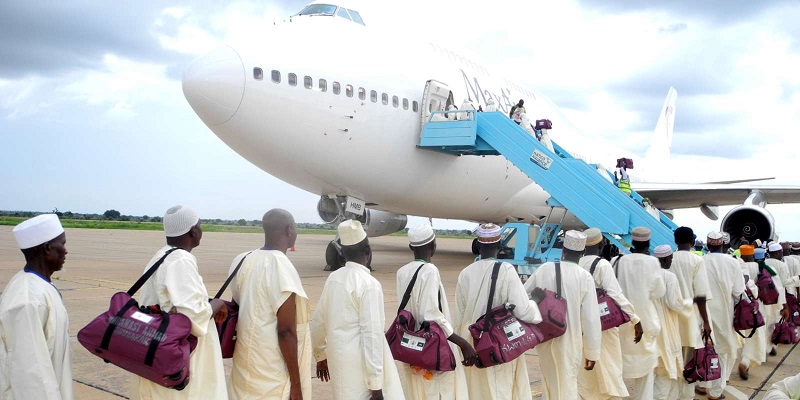
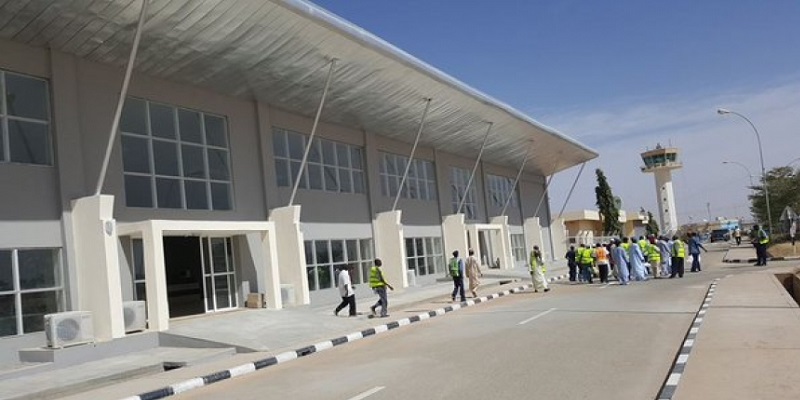
TDNigeria’s Minister of Interior, Olubunmi Tunji-Ojo, has confirmed that seven suspected commanders of Boko Haram and Islamic State West Africa Province (ISWAP) were arrested at Katsina Airport on June 26, 2026, upon returning from the Hajj pilgrimage in Mecca.
The arrests were enabled by Nigeria’s newly integrated National Identity Management Commission (NIMC) database.
This Dawn learnt that the suspects have been handed over to the Department of State Services (DSS) for investigation.
Hajj Incident Overview
- Date: June 26, 2026
- Location: Umaru Musa Yar’Adua International Airport, Katsina State
- Suspects: Seven alleged commanders of Boko Haram and Islamic State West Africa Province (ISWAP)
- Context: The suspects were intercepted immediately after arriving from the Hajj pilgrimage in Mecca, Saudi Arabia.
Government Statement on the Hajj Returnees
- Minister Tunji-Ojo announced the arrests, describing them as a “major success” in Nigeria’s fight against terrorism.
- The operation was made possible through the integration of digital identity verification system with:
- Nigeria Immigration Service (NIS)
- Interpol’s 24-hour security network
- The suspects were flagged by the system and handed over to the DSS for interrogation and further investigation.
Security, Identity Reforms & Public Concerns
The arrests coincided with President Bola Tinubu signing the NIMC Act, 2026, a landmark reform aimed at:
- Strengthening Nigeria’s digital identity infrastructure
- Enhancing border security
- Improving collaboration among security and intelligence agencies
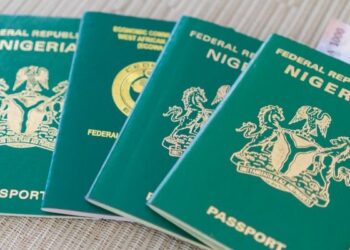
The reforms ensure that no Nigerian passport can be issued without proper identity verification through the NIMC database.
Reports suggest allegations that some state-sponsored Hajj pilgrimages may have included individuals linked to terrorist groups.

The Katsina State Government has denied sponsoring terrorists.
However, the revelation has sparked debate about screening processes for religious pilgrimages.
Implications
- National Security: The arrests highlight the growing role of Nigeria’s National Identification Number (NIN) system in tracking high-risk individuals.
- Counterterrorism: This marks a significant step in Nigeria’s efforts to dismantle Boko Haram and ISWAP networks.
- Public Trust: The incident raises questions about how suspected terrorists were able to participate in the Hajj pilgrimage, potentially undermining confidence in oversight mechanisms.
In summary, Nigeria’s interception of seven Boko Haram and ISWAP commanders returning from Hajj underscores the effectiveness of its new digital identity system.
Meanwhile, it also raises serious concerns about pilgrimage sponsorship and security oversight.