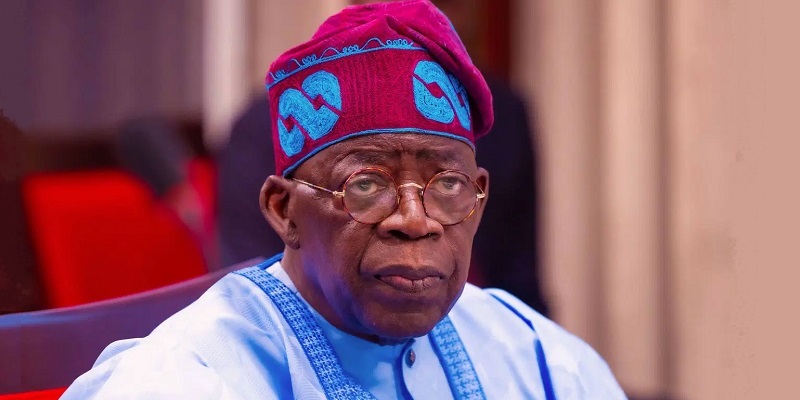
TDA nation that cannot protect its soldiers has already begun to lose the moral legitimacy of statehood. When commissioned officers, men who dedicated twenty, thirty, and even thirty-five years of their lives to defending Nigeria, are being hunted down, blown apart by IEDs, ambushed in operational theatres, and buried in alarming succession, then the issue is no longer “security challenges.” It is state failure.

Under President Bola Ahmed Tinubu’s administration, Nigeria’s security architecture has deteriorated into a theatre of bloodshed, confusion, and dangerous incompetence.
The repeated killing of senior military officers is not merely tragic, it is a damning indictment of a government that appears increasingly detached from the realities of war and national survival.
The deaths of Brigadier General Musa Uba, Major General Abubakar Rabe (rtd), Brigadier General Oseni Omoh Braimah, Lt. Col. S.I. Iliyasu, Lt. Col. Umar Farouq, Col. Aliyu Saidu Paiko, and Lt. Col. Umar Ibrahim Mairiga are not isolated casualties.
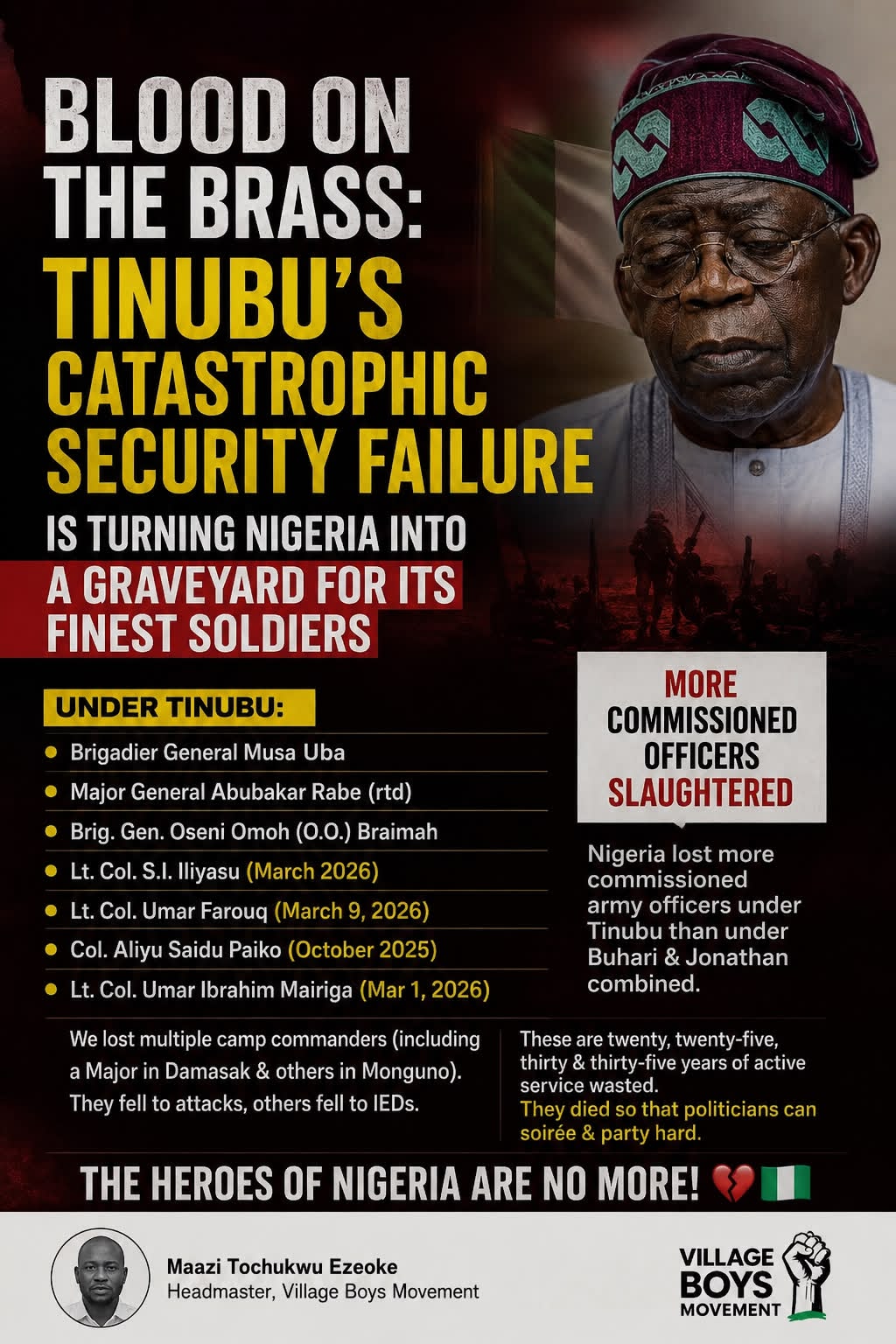
They represent a devastating collapse of operational security, intelligence coordination, troop protection, and strategic leadership.
These were not rookies. These were experienced officers, commanders forged through decades of conflict, sacrifice, and institutional memory.
Their deaths expose something deeply disturbing, a Nigerian state increasingly incapable of protecting even the very men entrusted with protecting it.
What makes this national tragedy even more infuriating is the atmosphere of political vanity surrounding it.
While soldiers die in trenches, politicians dance at lavish ceremonies, trade propaganda on television, and obsess over power calculations for 2027.
There is a grotesque disconnect between the battlefield and the banquet hall. Nigeria is bleeding, but the ruling elite behaves as though governance is a social event.
Under former President Olusegun Obasanjo, himself a retired General and former military Head of State, the Nigerian military operated with a far stronger aura of institutional command and deterrence.
Obasanjo’s era was not free from security crises, but there remained a visible culture of command responsibility and strategic seriousness. Military officers were not being eliminated at this horrifying frequency.
The chain of command carried weight. The state projected strength. Today, the opposite is true.
Terrorists increasingly dictate the tempo of engagement while the Nigerian government reacts with press statements and ceremonies.
Even more humiliating is the international comparison. Imagine if multiple American generals and colonels were killed within such a short span under one president.
Washington would erupt in national outrage. Congressional hearings would commence immediately. Pentagon leadership would face intense scrutiny. Intelligence systems would be overhauled overnight.
The President would address the nation with urgency because the deaths of senior officers in the United States military are treated as matters of grave national emergency.
The same applies in Britain. The loss of several senior British Army officers in rapid succession would trigger a national security crisis, parliamentary investigations, and likely resignations at the highest levels.
In functioning states, the military command structure is sacred because it embodies the sovereignty and survival of the nation itself.
But in Nigeria, the deaths of decorated officers are absorbed into the news cycle with shocking casualness. One burial follows another. One condolence statement follows another.
One military widow after another. Yet those responsible for safeguarding the nation continue behaving as though optics and political alliances matter more than strategic competence.
A serious government confronted with this scale of military losses would initiate emergency restructuring, overhaul intelligence systems, reassess operational doctrines, and address the welfare and equipment deficiencies crippling frontline troops.
Instead, Nigerians are fed recycled speeches, media optics, and hollow assurances while terrorists and armed groups continue to inflict humiliation on the Nigerian state.
The Tinubu administration inherited insecurity, yes, but inheriting a problem is not an excuse for deepening it.
Leadership is measured not by the crises one meets, but by the competence displayed in confronting them. On security, this government has projected inconsistency, sluggishness, and alarming strategic weakness.
Even more dangerous is the normalization of death. Nigerians are becoming desensitized to military funerals because the frequency has become unbearable.
Camp commanders are being wiped out. Convoys are being attacked. Officers are dying from preventable operational vulnerabilities.
Yet accountability remains absent. This is not merely a failure of tactics. It is a collapse of leadership philosophy.
A government obsessed with political survival cannot effectively prosecute a security war requiring discipline, sacrifice, intelligence superiority, and national focus.
History will not be kind to leaders who presided over national decline while insisting everything was under control.
A country where decorated officers fall one after another without decisive national response is a country drifting toward institutional collapse.
Morale within the armed forces cannot remain intact when personnel increasingly feel abandoned by the political establishment they serve.
These fallen officers did not die for luxury convoys, political defections, or elite power games. They died believing Nigeria was worth defending.
The least the Nigerian state owes them is competent leadership, strategic seriousness, and a government that values human life above political theatrics.
Instead, what Nigerians are witnessing is a presidency struggling to impose authority over insecurity while projecting an image of control that reality no longer supports.
The heroes of Nigeria are dying. The tragedy is not only that terrorists are killing them.
The greater tragedy is that incompetence at the highest levels of governance is helping make their deaths inevitable.
If a government cannot protect its generals, how can ordinary Nigerians believe it can protect them?
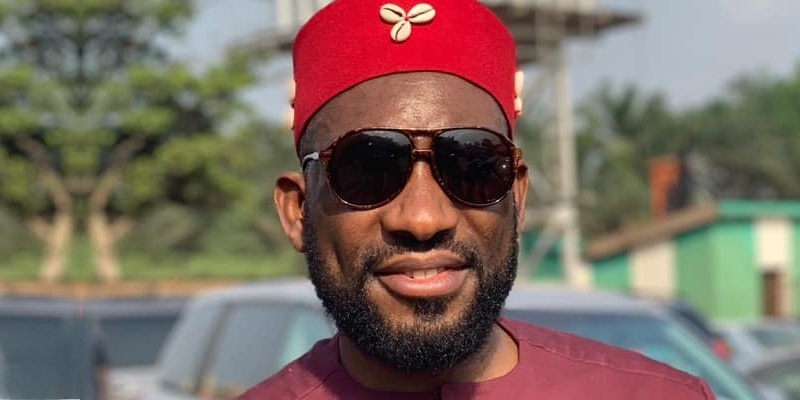
Maazi Tochukwu Ezeoke
Headmaster, Village Boys Movement