TDA former chieftain of the Nigeria Democratic Congress (NDC), Obunike, has denied ever telling actor-turned-politician Kenneth Okonkwo that former Anambra State governor and NDC leader, Peter Obi, is a criminal.

Speaking during an interview on Symfoni TV, Obunike reacted to recent allegations and controversies surrounding Obi, the NDC, and his relationship with Kenneth Okonkwo, insisting that his views had been misrepresented.
According to Obunike, at no time did he describe Peter Obi as a criminal during any conversation with Okonkwo.
He maintained that while political disagreements and concerns may exist within opposition circles, attributing such a statement to him was inaccurate.
“I never told Kenneth Okonkwo that Peter Obi is a criminal,” Obunike stated
He distanced himself from claims that have generated debate among supporters of both political figures.
Fresh Twist in Obi-Okonkwo Controversy
The latest remarks add another dimension to the growing public disagreement involving Kenneth Okonkwo and Peter Obi.
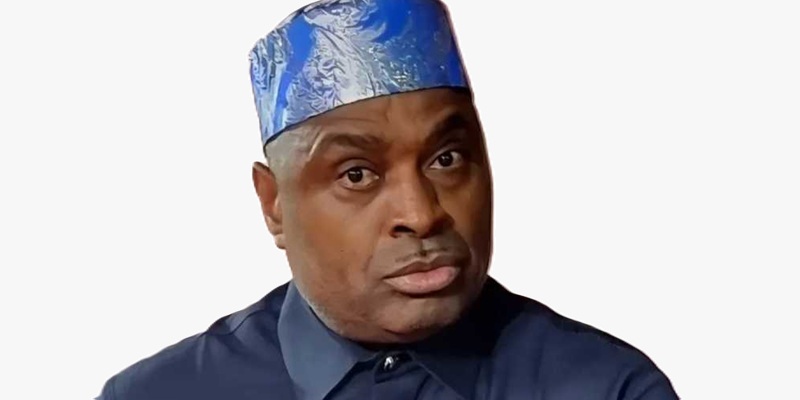
Okonkwo, a former spokesperson for Obi’s presidential campaign, has in recent months publicly accused Obi of betraying him over political decisions and alliances.
The actor-turned-politician alleged that Obi ignored his advice regarding the leadership crisis that engulfed the Labour Party before both politicians eventually moved into different political alignments.
Those comments triggered widespread reactions across the political landscape, with supporters and critics of both men offering differing interpretations of the events that led to their fallout.
Obunike’s intervention appears aimed at clarifying his role in the controversy and correcting what he described as misconceptions regarding his position on Obi.
Concerns Over Internal Party Democracy
During the interview, Obunike also reportedly addressed broader concerns about opposition politics, party administration, and internal democratic processes.
He emphasized the importance of transparency, accountability, and fairness within political organizations.
He argued that opposition parties must uphold the values they seek to promote nationally.
Political observers note that disputes among key opposition figures have continued to attract public attention ahead of the 2027 political cycle.
More questions surrounding party structures, leadership decisions, and coalition-building efforts remain central issues.
Calls for Unity
Despite the disagreements, Obunike stressed the need for constructive engagement among opposition stakeholders.
He urged political actors to focus on issues affecting ordinary Nigerians rather than allowing personal disputes to dominate public discourse.
Analysts believe that continued exchanges between former allies could influence public perceptions of opposition unity and readiness ahead of future elections.
As of the time of this report, neither Peter Obi nor Kenneth Okonkwo had issued fresh responses specifically addressing Obunike’s latest comments.
However, the controversy is expected to generate further reactions within political circles and among supporters of the various opposition movements.
The interview has renewed discussions about loyalty, internal democracy, and the future direction of opposition politics in Nigeria as political realignments continue ahead of the next general election.