
TDIn response to escalating xenophobic violence in South Africa, the Government of Ghana has announced the immediate evacuation of its citizens.
The decision comes after reports of widespread attacks targeting foreign nationals.
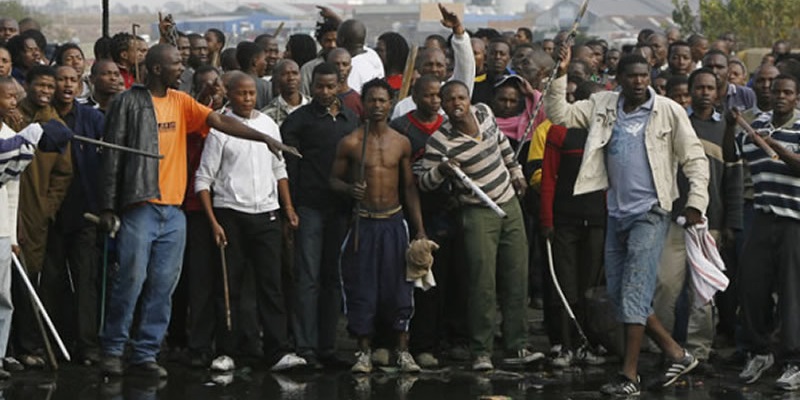
The attacks created an atmosphere of fear and insecurity for African migrants living and working in South Africa.
An official communiqué from the Ministry of Foreign Affairs confirmed that a special chartered flight will depart O.R. Tambo International Airport in Johannesburg on May 21, 2026, at 5:00 a.m. to repatriate Ghanaians.
The evacuation is being offered free of charge, fully funded by the Government of Ghana, underscoring the state’s commitment to safeguarding its citizens abroad.
Key Details of the Evacuation
- Evacuation Airport: O.R. Tambo International Airport, Johannesburg
- Departure Date & Time: May 21, 2026, at 5:00 a.m.
- Cost: Free – funded by the Government of Ghana
- Information & Assistance: Citizens are advised to contact Ghana’s High Commission in Pretoria for guidance and support
Ghana Government’s Position
The Ministry described the evacuation as a humanitarian measure designed to protect lives in the face of mounting hostility.

Ghanaian authorities strongly condemned the xenophobic attacks, calling them a violation of African solidarity and unity.
Officials stressed the need for regional cooperation to address the root causes of xenophobia, including economic inequality, unemployment, and social tensions.
The government urged Ghanaians still in South Africa to remain vigilant and avoid high-risk areas.
It also urged them to maintain close contact with the High Commission until the evacuation process is completed.
Broader Context
South Africa has experienced recurring waves of xenophobic violence over the past two decades, often directed at migrants from other African countries such as Nigeria, Zimbabwe, Mozambique, and Ghana.
These attacks have led to deaths, destruction of property, and mass displacement, sparking diplomatic tensions between South Africa and its neighbors.

The latest outbreak of violence has reignited debates about the challenges of integration, economic competition, and social cohesion in South Africa.
Analysts note that xenophobia undermines the vision of African unity and free movement, as championed by the African Union’s Agenda 2063.
By organizing this evacuation, Ghana joins other African nations that have taken proactive steps to protect their citizens during times of crisis.
The move also sends a strong diplomatic message: xenophobia is unacceptable, and African governments will act decisively to defend their people.
Implications for Ghana and South Africa
This evacuation highlights the fragile state of African solidarity in the face of domestic pressures within South Africa.
It raises urgent questions about how African nations can work together to prevent such violence, strengthen regional integration, and ensure the safety of migrants.

For Ghana, the evacuation is both a protective measure and a reaffirmation of its responsibility to citizens abroad.
For South Africa, it is a reminder of the need to confront xenophobia head-on.
This could be done through policing but also by addressing the socio-economic conditions that fuel resentment against foreign nationals.
This development highlights both the urgency of the evacuation and the broader implications of xenophobic violence in South Africa.