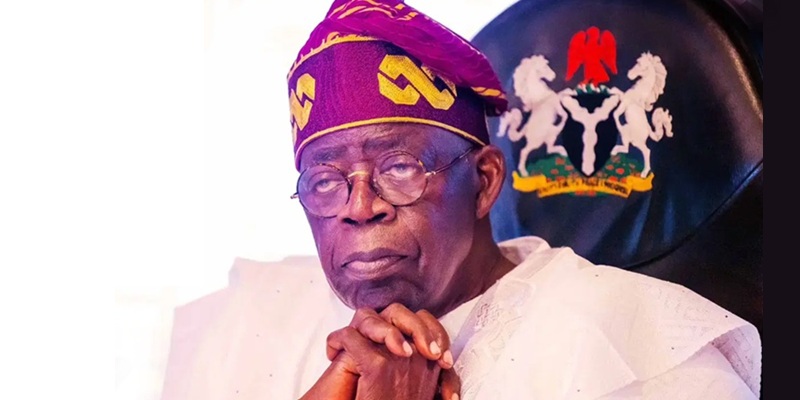
Nigeria has once again been ranked among the worst places to live in 2026, continuing a troubling trend under President Bola Tinubu’s administration.
Past reports in 2025 and 2024 already placed Nigeria near the bottom of global quality-of-life indices.
The latest rankings confirm little progress has been made.
According to the latest international assessment, Nigeria joins a list of nations struggling with economic instability, insecurity, and poor living standards.
The report places Nigeria, an oil producing nation, alongside countries such as Sri Lanka, Iran, Lebanon, and Kenya.

Countries with the Lowest Quality of Life in 2026
- Nigeria
- Sri Lanka
- Bangladesh
- Venezuela
- Egypt
- Philippines
- Iran
- Indonesia
- Pakistan
- Lebanon
- Kenya
Nigeria Quality of Life Rankings Timeline (2024–2026)
📉 2024
- Ranked near the bottom globally in multiple indices.
- Poor scores in security, infrastructure, governance, and healthcare.
- Analysts noted worsening poverty and insecurity as key drivers.
📉 2025
- Numbeo Report (Dec 2025): Nigeria ranked last out of 89 countries with a score of 15.6.
- Global Citizen Solutions (Jan 2025): Nigeria ranked 135th out of 199 countries, scoring 54.1.
- Major issues: fuel subsidy removal, currency floatation, inflation, unemployment, and insecurity.
- Public dissatisfaction grew sharply as reforms failed to improve living standards.
📉 2026
- Nigeria again listed among the worst countries to live, grouped with: 🇱🇰 Sri Lanka, 🇧🇩 Bangladesh, 🇻🇪 Venezuela, 🇪🇬 Egypt, 🇵🇭 Philippines, 🇮🇷 Iran, 🇮🇩 Indonesia, 🇵🇰 Pakistan, 🇱🇧 Lebanon, 🇰🇪 Kenya.
- Persistent challenges: economic hardship, insecurity, poor infrastructure, weak governance.
- Despite promises of reform, Nigeria’s position remains stagnant, confirming a pattern of decline.
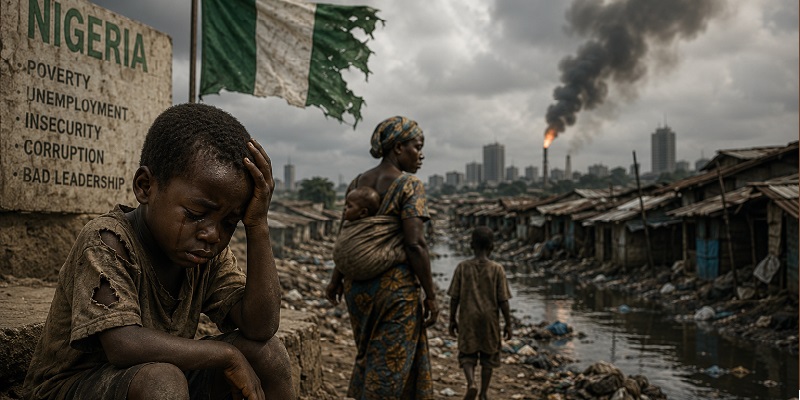
Key Issues Highlighted
- Economic hardship: Inflation, unemployment, and currency instability continue to erode household incomes.
- Security concerns: Rising incidents of banditry, terrorism, and communal clashes have left many citizens vulnerable.
- Infrastructure gaps: Limited access to reliable electricity, healthcare, and education services hampers development.
- Governance challenges: Widespread public dissatisfaction with leadership and accountability mechanisms.
Observers note that Nigeria’s repeated appearance on such lists reflects deep-rooted structural problems that have yet to be effectively addressed.
Analysts argue that without urgent reforms in governance, security, and economic management, the country risks further decline in global quality-of-life rankings.
This latest rating is expected to spark renewed debate among policymakers, civil society, and ordinary Nigerians.
Debates are expected on the urgent need for transformational leadership and sustainable solutions to improve living conditions.
Key Issues Driving Nigeria’s Poor Ranking
- Economic Hardship: Inflation and unemployment continue to erode household incomes.
- Security Concerns: Banditry, terrorism, and kidnappings remain widespread.
- Infrastructure Deficits: Electricity, healthcare, and education systems are unreliable.
- Governance Challenges: Public dissatisfaction with leadership and accountability persists.
Global Comparison
While Nigeria struggles, countries like Luxembourg, Netherlands, Denmark, Switzerland, and Finland consistently top the rankings.
They owe their high rankings to stable governance, strong healthcare systems, safety, and high purchasing power.

Nigeria’s repeated poor performance in global quality-of-life rankings under Tinubu highlights deep structural problems.
Analysts warn that without urgent reforms in governance, economic management, and security, Nigeria risks further decline.
This latest rating is expected to fuel public debate and increase pressure on the government to deliver tangible improvements in living standards.
Summary:
Nigeria’s 2026 ranking as one of the worst places to live is not an isolated event—it reflects a pattern of decline seen in 2025 and earlier.
The country’s challenges remain entrenched, and comparisons with past reports show that reforms have yet to produce meaningful improvements.