TDThe White House is reportedly close to finalizing a one-page memorandum of understanding (MOU) with Iran that could pause fighting and open the door to nuclear negotiations.
According to sources, Iran has 48 hours to respond, with no deal yet finalized.
Core Terms Under Discussion
The draft agreement, said to contain 14 points, was prepared with input from Steve Witkoff and Jared Kushner.
The key provisions include:
- Iran: Pause uranium enrichment, accept UN inspections, curb underground sites, and commit to no nuclear weapons.
- United States: Ease sanctions and release frozen assets.
- Both sides: Loosen restrictions on the Strait of Hormuz, the vital waterway through which nearly 20% of global oil supplies pass daily.
If Iran accepts, a 30-day negotiation window would begin, likely hosted in Geneva or Islamabad.
Trump’s Threats Amid Diplomacy
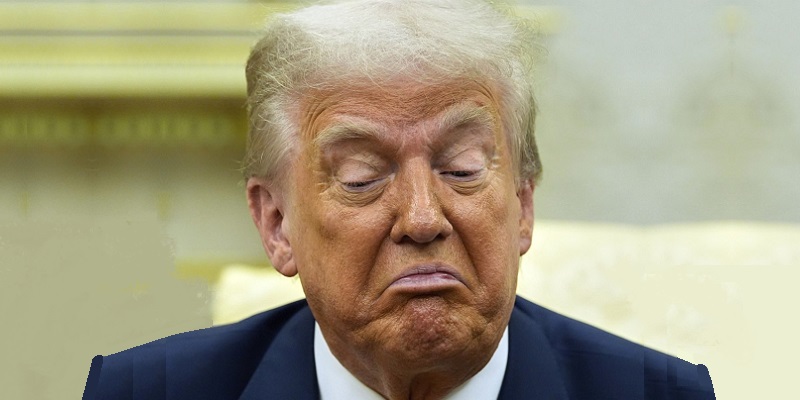
Even as talks advance, President Donald Trump issued a stark warning on Wednesday, threatening renewed bombing campaigns if Iran refuses to reopen the Strait of Hormuz.

“If they don’t agree, the bombing starts,” Trump wrote on social media.
His comments came after reports of progress toward a ceasefire and following a meeting in Beijing between Iranian Foreign Minister Abbas Araghchi and China’s Foreign Minister Wang Yi.
China Steps In
China has emerged as a key player in mediation, with Wang Yi calling for a comprehensive ceasefire and expressing “deep distress” over the conflict.
Beijing’s close economic and political ties to Tehran give it unique leverage.
Meanwhile, the Trump administration is pressing China to use that influence to push Iran toward reopening the strait.
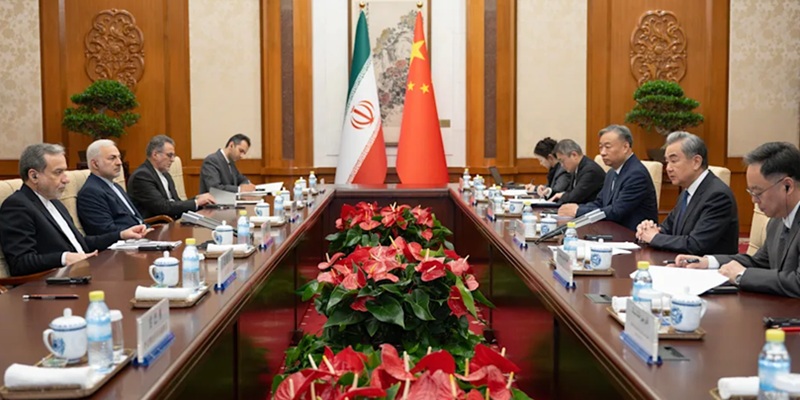
Araghchi, speaking to Iranian state media from Beijing, said his visit included discussions on both the Strait of Hormuz and Iran’s nuclear program.

He claimed Iran had attained “an elevated international standing” after the war, citing its resilience against U.S. and Israeli strikes.
Global Economic Pressure
The closure of the Strait of Hormuz since February has rattled global markets.
It has sent fuel prices soaring and disrupted shipments of oil, gas, and fertilizer.
Brent crude fell to around $100 per barrel on Wednesday, easing from earlier spikes but still well above pre-war levels of $70.
Hundreds of merchant ships remain stranded in the Gulf.
The U.S. Navy said it had opened a guarded shipping lane earlier this week, sinking six Iranian boats that threatened commercial vessels.

Only two merchant ships are confirmed to have passed through.
Trump has paused the effort, dubbed Project Freedom, citing “great progress” toward a final agreement.
Pakistan, which has been mediating between Washington and Tehran, welcomed the pause.
Pakistani Prime Minister Shehbaz Sharif called it a “timely announcement” that could advance regional peace.
Decisive 48 Hours
The next 48 hours will be decisive.
If Iran agrees to the draft deal, nuclear talks could resume under international supervision, and restrictions on the Strait of Hormuz may ease—potentially stabilizing global energy markets.
But Trump’s threats of bombing underscore the fragility of the moment.
The White House’s biggest concession—loosening Hormuz restrictions—reflects the immense global stakes.
Every day the strait remains closed costs the world economy more than any tariff ever imposed.
Whether this becomes a breakthrough or just another stalled press release will depend on Tehran’s response.