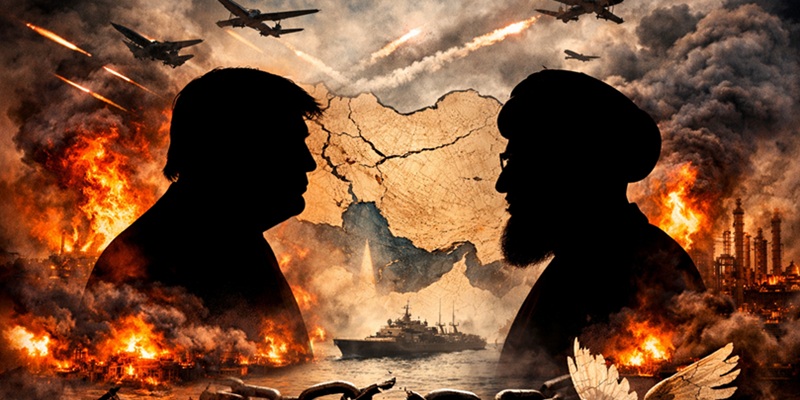
TDThe fragile four-week-old ceasefire in the Middle East is under severe strain following renewed hostilities between the United States and Iran over control of the Strait of Hormuz, a critical global energy chokepoint.
Escalation in the Gulf
On Tuesday, U.S. President Donald Trump announced a temporary pause in “Project Freedom”, the military operation designed to escort stranded tankers through the strait.
He cited “great progress” toward a possible agreement with Iran.
However, hours earlier, U.S. Secretary of State Marco Rubio had outlined the ongoing effort to free vessels trapped in the Gulf, where nearly 20% of the world’s oil supply has been blocked since the conflict began.
Iran has effectively sealed off the strait, threatening to deploy mines, drones, missiles, and fast-attack craft.
In response, the U.S. has mounted naval escorts and blockaded Iranian ports.

The U.S. military reported destroying several Iranian boats, cruise missiles, and drones in recent days.
Iran Claims It Turned Back US Warship from Strait of Hormuz
Iranian officials claimed they had turned back a U.S. warship approaching the strait, initially reporting it had been struck.
Washington denied the claim, later describing the incident as warning shots.
Meanwhile, Britain’s Maritime Trade Operations agency confirmed a cargo vessel had been hit by a projectile, though details remain unclear.
The UAE reported multiple missile and drone attacks from Iran, including one that set ablaze the Fujairah oil port, a vital export hub outside the strait.
Abu Dhabi condemned the strikes as a “serious escalation” and reserved the right to respond.

Iran countered that its actions were defensive, aimed at repelling U.S. aggression.
Economic Fallout
The renewed clashes sent oil prices tumbling below $100 per barrel after Trump’s announcement.
It, however, spiked more than 5% later in volatile trading as reports of Iranian attacks intensified.
Shipping insurance costs have soared, and major companies such as Maersk said they would wait for a formal end to hostilities before attempting passage.
The International Monetary Fund warned that even if the conflict ended immediately, it would take months to stabilize the global economy.
Rising fuel prices are already pressuring households worldwide and weighing heavily on U.S. domestic politics ahead of November’s midterm elections.

Diplomatic Efforts
Despite the violence, both sides insist the ceasefire technically remains in place.
U.S. Defense Secretary Pete Hegseth said the truce “certainly holds” but warned of close monitoring.
General Dan Caine, Chairman of the Joint Chiefs of Staff, noted that Iranian attacks remained “below the threshold of restarting major combat operations.”
Pakistan continues to mediate between Washington and Tehran.
Iranian Foreign Minister Abbas Araqchi acknowledged progress in talks but warned against being drawn into a “quagmire.”
Iran has proposed deferring discussions on its nuclear program until after a broader peace agreement, a plan Trump has said he is likely to reject.
Global Stakes
The Strait of Hormuz remains the world’s most important energy shipping route.
Any prolonged disruption risks destabilizing global markets and deepening the humanitarian toll of a war that has already killed thousands across the region.
For now, the ceasefire hangs in the balance.
It is caught between fragile diplomacy and the reality of missiles, drones, and naval blockades in one of the world’s most volatile waterways.