




TDRussia has begun importing gasoline from India for the first time in years as persistent Ukrainian drone attacks on its energy infrastructure disrupt domestic fuel production.
The attacks marking a significant shift in global energy trade and exposing vulnerabilities in one of the world’s largest oil-producing nations.
The development, first reported on July 1, comes as Moscow grapples with worsening fuel shortages caused by repeated strikes on refineries and oil depots since the start of the year.
Industry sources said at least 60,000 metric tonnes of gasoline have already been shipped from India to Russia aboard two tankers.
Meanwhile, Moscow is reportedly planning to import up to 400,000 metric tonnes of gasoline every month from India and other countries, including neighboring Belarus.
The move is particularly striking because Russia is traditionally a major exporter of refined petroleum products.

However, sustained Ukrainian attacks have significantly reduced the country’s refining capacity.
The attacks have forced the Kremlin to seek emergency fuel imports to stabilize domestic supplies.

According to reports, fuel shortages have spread across Russia’s vast territory, leading to rationing in several regions, long queues at filling stations and record-high gasoline prices.
Summer demand has further intensified the crisis as agricultural activities and holiday travel increase fuel consumption.
On July 4, the situation drew wider international attention after reports highlighted the growing impact of Ukraine’s long-range drone campaign against Russian oil infrastructure.
Ukrainian strikes have targeted dozens of refineries, storage facilities and energy installations, reducing gasoline production and leaving a significant portion of Russia’s refining capacity offline.

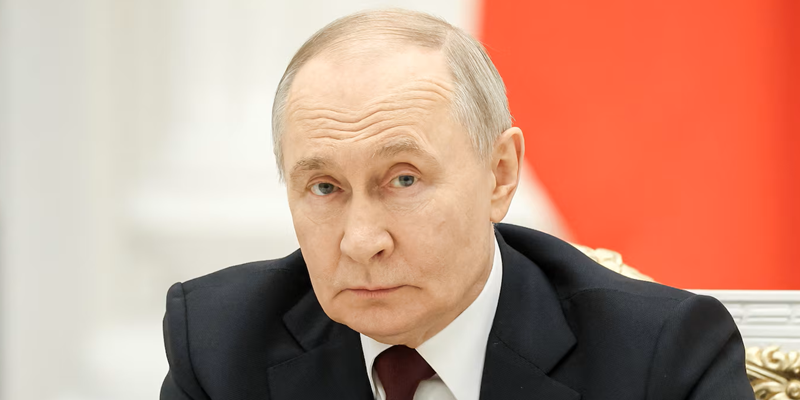
Russian President Vladimir Putin has acknowledged the pressure on fuel supplies while insisting the government is taking steps to address the shortages.
Authorities have imposed restrictions on gasoline exports, introduced subsidies for imported fuel and amended tax rules to encourage emergency imports.
India has emerged as a critical supplier despite being one of the world’s largest importers of crude oil.
The country has dramatically increased purchases of discounted Russian crude since Western sanctions were imposed following Moscow’s invasion of Ukraine in 2022.
Indian refiners process the crude into petroleum products, some of which are now finding their way back to Russia through international traders.
Indian officials have maintained that state-owned companies are not directly exporting fuel to Russia.

They explained that any shipments are conducted through independent commercial traders rather than government-to-government arrangements.
The development underscores the evolving dynamics of global energy markets, where geopolitical conflicts are reshaping traditional trade flows.
Analysts note the irony that Russia—one of the world’s leading energy exporters—is now relying on refined fuel produced in India from Russian crude oil to ease shortages at home.
The trend is also being closely watched by major African oil producers, including Nigeria, Algeria and Angola.
Changing global demand patterns and shifting fuel trade routes continue to influence international energy markets.