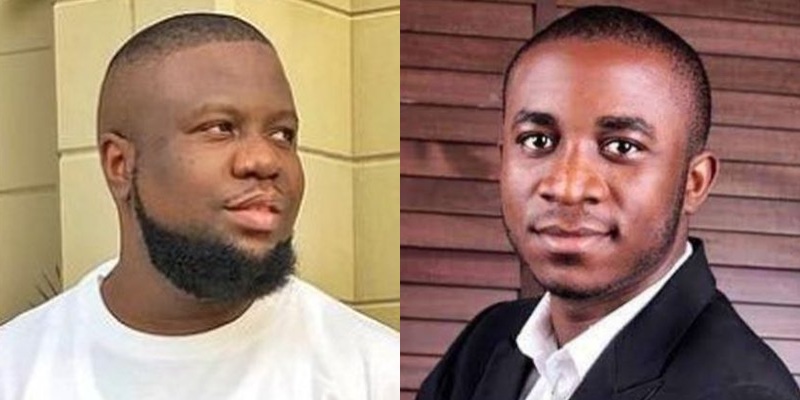
TD For years, sophisticated fraud networks operating across Africa, the United States, the Middle East and Europe have exploited business email systems, romance platforms, investment opportunities and other digital channels to steal millions of dollars.
Some of the most internationally recognizable figures associated with these schemes built public profiles around luxury cars, designer clothing, expensive watches, private jets and claims of extraordinary business success—only for U.S. investigations to expose links to fraud and money laundering.
This Special Report examines 10 African nationals who became prominent through major fraud cases prosecuted in the United States.
The selection is based primarily on public notoriety, scale of the alleged or proven schemes, media attention and significance of the U.S. prosecutions—not on a scientific ranking of criminality.
Where a person has been convicted, the report describes the conduct established in court or by an official U.S. government announcement.
1. Ramon “Ray Hushpuppi” Abbas — Nigeria
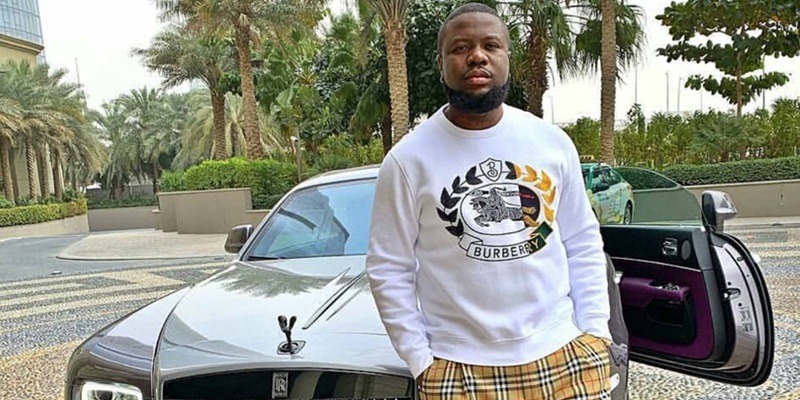
Perhaps the most internationally famous name on the list is Ramon Olorunwa Abbas, better known as Ray Hushpuppi or simply Hushpuppi.

Abbas became famous on social media for displaying an extraordinarily luxurious lifestyle, including designer clothing, expensive automobiles, watches and lavish travel.
Behind that public image, U.S. prosecutors said he was involved in laundering proceeds from online scams, including business-email-compromise and other cyber-fraud schemes.
The U.S. Department of Justice said Abbas conspired to launder tens of millions of dollars in illicit proceeds. He pleaded guilty to conspiracy to engage in money laundering.
On November 7, 2022, a U.S. federal judge sentenced Abbas to 135 months—11 years and three months—in prison.
He was also ordered to pay $1,732,841 in restitution to two fraud victims.
His case became one of the most prominent examples of the U.S. government’s international pursuit of African cyber-fraud suspects.

-
Country: Nigeria
-
Sentence: 135 months
-
Offence: Money-laundering conspiracy linked to cyber-fraud schemes
-
Status: Serving federal sentence, according to the latest information examined for this report.
2. Obinwanne “Invictus Obi” Okeke — Nigeria
Before his arrest, Obinwanne Okeke presented himself as a successful young Nigerian entrepreneur and headed the Invictus Group.
His public image was dramatically altered after U.S. authorities uncovered his involvement in a sophisticated business-email-compromise and computer-hacking operation.
According to the U.S. Department of Justice, Okeke and associates obtained credentials belonging to hundreds of victims.
One major operation targeted Unatrac Holding Limited, resulting in fraudulent wire transfers totaling nearly $11 million.
Okeke was sentenced in February 2021 to 10 years in U.S. federal prison.

The case attracted enormous attention in Nigeria because Okeke had previously been celebrated as a young entrepreneur and had appeared on lists and platforms highlighting promising African business leaders.

-
Country: Nigeria
-
Sentence: 10 years
-
Known loss in major scheme: Approximately $11 million
-
Offence: Computer-based fraud, business-email compromise and related cyberfraud.
3. Olalekan “Woodberry” Ponle — Nigeria
Olalekan Jacob Ponle, popularly known online as Woodberry, became another highly recognizable Nigerian figure associated with international cyberfraud.
U.S. prosecutors said Ponle participated in multiple business-email-compromise schemes targeting American companies.
The scheme used phishing links to obtain access to email accounts.
Fraudsters then sent fraudulent payment instructions to companies, redirecting legitimate payments into accounts controlled by money mules.
The U.S. Justice Department said the schemes produced more than $8.03 million in actual losses, with more than $51.3 million in intended losses.
Ponle was sentenced in July 2023 to eight years and four months in federal prison.
He was ordered to pay more than $8.03 million in restitution and forfeit luxury property and cryptocurrency connected to the fraud.

Among the assets forfeited were a Rolls-Royce Cullinan, Lamborghini Urus, Mercedes-Benz G-Class AMG and luxury watches.
He also forfeited 151 Bitcoin that prosecutors linked to the proceeds of the scheme.
-
Country: Nigeria
-
Nickname: Woodberry
-
Sentence: 8 years, 4 months
-
Actual losses: More than $8.03 million
-
Intended losses: More than $51.3 million.
4. Saheed Sunday Owolabi — Nigeria
A more recent case demonstrates that the phenomenon has not disappeared.
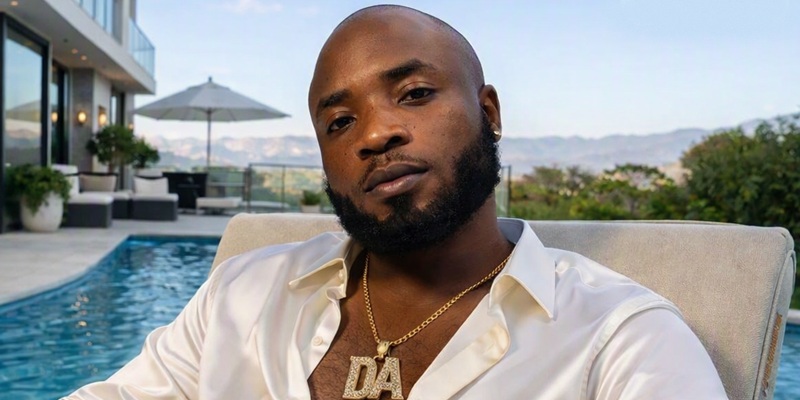
In March 2026, a U.S. federal judge sentenced Saheed Sunday Owolabi to 15 years in federal prison after a jury convicted him of conspiracy to commit wire fraud and conspiracy to commit money laundering.
According to the U.S. Justice Department, Owolabi pretended to be a woman online and developed relationships with men in the United States as part of a romance-fraud operation.
Prosecutors said he and his associates used fake relationships to obtain money and personal information from victims.
The organization also allegedly used bank accounts belonging to victims to launder proceeds from other fraudulent activities.
The Justice Department said more than $1.5 million was laundered to Nigeria, while one North Carolina victim lost more than $120,000.
At sentencing, the judge characterized Owolabi as a leader or organizer of an extensive organization and cited the sophistication of the money-laundering operation.
-
Country: Nigeria
-
Sentence: 15 years
-
Scheme: Romance fraud and money laundering
-
Major amount cited: More than $1.5 million laundered to Nigeria.
5. James Junior Aliyu — Nigeria
James Junior Aliyu, a Nigerian national who was living in South Africa during the criminal conduct, was sentenced in March 2026 to 90 months—seven years and six months—in U.S. federal prison.
The case involved a multi-million-dollar business-email-compromise operation.
According to U.S. prosecutors, Aliyu and his co-conspirators compromised email accounts and sent fraudulent payment instructions designed to redirect legitimate business payments.
He was extradited from South Africa to the United States to face prosecution.
The court ordered him to pay approximately $2.389 million in restitution, while U.S. authorities said the broader scheme involved millions of dollars in losses.
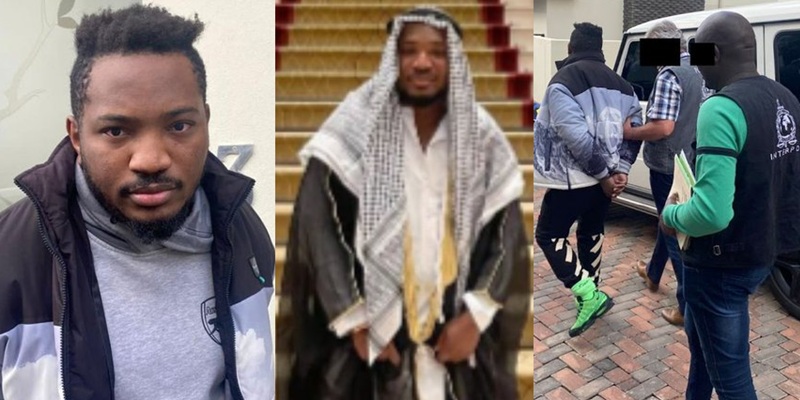
His case illustrates the increasingly international nature of African cyber-fraud investigations: the alleged operation crossed Nigeria, South Africa and the United States before ending in a U.S. federal conviction and prison sentence.
-
Country: Nigeria
-
Residence during conduct: South Africa
-
Sentence: 90 months
-
Scheme: Business-email compromise, wire fraud and money laundering
-
Restitution: Approximately $2.389 million.
6. Benard Okorhi — Nigeria
Benard Okorhi, from Lagos, was sentenced in June 2021 to 75 months in federal prison for his role in an international fraud conspiracy.
According to the U.S. Justice Department, the network combined business-email compromise schemes with romance scams.
Members created fake identities on dating websites and developed relationships with victims before inventing stories requiring the victims to send money.
The group also compromised business email accounts and redirected legitimate wire payments to bank accounts controlled by the fraudsters.
The U.S. government estimated that the operation cost American residents approximately $8 million, while the worldwide scheme generated more than $10 million during its five-year lifespan.
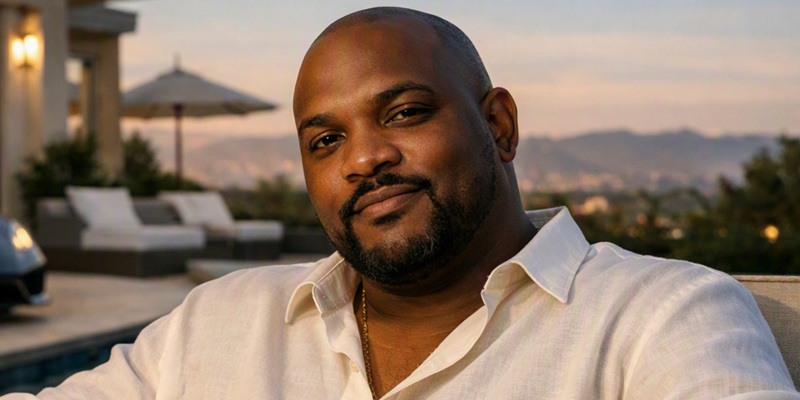
Okorhi and other members of the network were arrested overseas and extradited to the United States.
-
Country: Nigeria
-
Sentence: 75 months
-
Scheme: Romance fraud and business-email compromise
-
Estimated U.S. losses: About $8 million
-
Estimated worldwide proceeds: More than $10 million.
7. Nana Kwabena Amuah — Ghana
Ghanaian national Nana Kwabena Amuah was sentenced in the United States to 86 months in prison for his role in a business-email-compromise and money-laundering operation.
According to U.S. court records cited by the Justice Department, Amuah and his associates impersonated legitimate organizations and businesses to divert payments.
One major incident involved the Lexington-Fayette Urban County Government in Kentucky.
The conspirators impersonated a nonprofit organization and persuaded a city official to transfer approximately $3.9 million to a fraudulent bank account.
Amuah was sentenced in November 2023 and ordered to pay approximately $4.7 million in restitution.
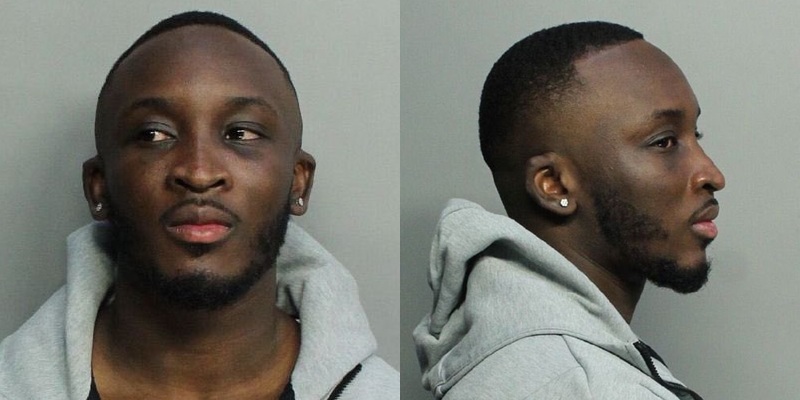
His case also illustrates the role of shell companies, fake identification documents and bank accounts opened under other people’s identities in modern BEC schemes.
-
Country: Ghana
-
Sentence: 86 months
-
Scheme: Business-email compromise and money laundering
-
Restitution: Approximately $4.7 million.
8. Dickson “Dixon Al” Alorwornu — Ghana
Dickson Alorwornu, also known as “Dixon Al,” became notorious for a sophisticated tuition-refund fraud targeting U.S. universities.
A Ghanaian citizen living in Connecticut, Alorwornu was convicted after prosecutors said he used stolen identities and fraudulent student applications to obtain tuition refunds.
The U.S. Justice Department said he defrauded the University of Connecticut and other universities, using false identities and stolen Social Security numbers.
In March 2026, he was sentenced to 48 months in federal prison, followed by two years of supervised release.
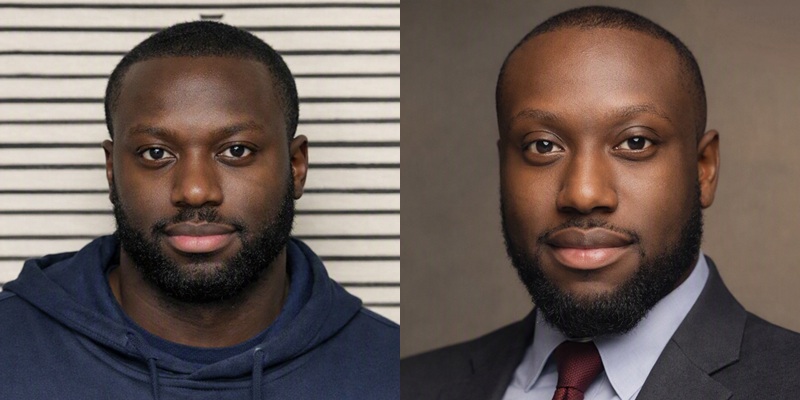
The case was particularly unusual because the fraud exploited university administrative and tuition-refund systems rather than relying solely on conventional romance or business-email scams.
-
Country: Ghana
-
Alias: Dixon Al
-
Sentence: 48 months
-
Scheme: Tuition-refund fraud, identity theft and wire fraud.
9. Paul Maucha — Kenya
The list extends beyond West Africa.
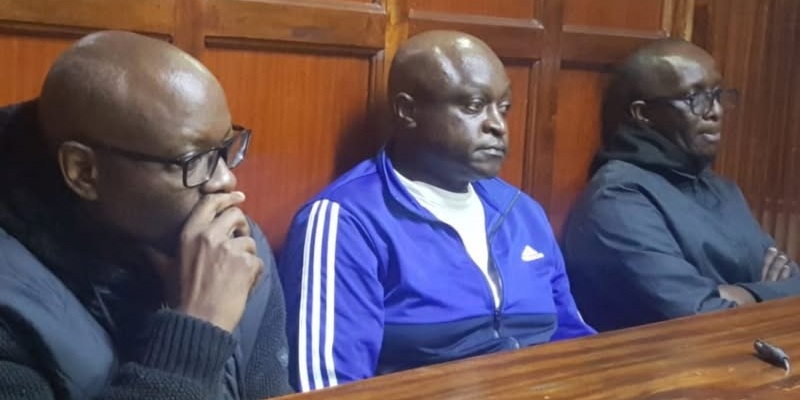
Paul Maucha, a Kenyan national, represents another category of African fraud prosecuted in the United States: advance-fee and investment fraud.
Maucha controlled a company called American Eagle Services Group Inc.
According to the U.S. Justice Department, the company promised victims seeking loans that it would provide financing. Victims were required to pay advance fees.
The prosecution established that the company did not possess the capital necessary to provide the promised loans and that the fees were instead divided between Maucha and a co-conspirator.
A federal jury convicted Maucha in February 2024.
In June 2024, he received a 135-month—11 years and three months—federal prison sentence. He was also ordered to pay a $200,000 fine, restitution and forfeiture totaling approximately $1.9 million.
-
Country: Kenya
-
Sentence: 135 months
-
Scheme: Advance-fee and investment fraud
-
Restitution/forfeiture: Approximately $1.9 million.
10. Kingsley Ogbeide — Uganda
Kingsley Ogbeide, a Ugandan national also known by aliases including James Oreye, Emmanuel Richson and King, was sentenced in September 2023 to 121 months—10 years and one month—in federal prison.
U.S. prosecutors said Ogbeide was a senior participant in a business-email-compromise operation.
The conspirators tricked employees of legitimate businesses into changing banking information and redirecting large payments to fraudulent accounts.
The Justice Department said Ogbeide helped coordinate which fraudulent accounts would receive the stolen funds and managed the distribution of proceeds.
He admitted involvement in fraudulent activity totaling between approximately $3.5 million and $9.5 million.
He was also ordered to pay approximately $1.5 million in restitution to 16 victims.
-
Country: Uganda
-
Sentence: 121 months
-
Scheme: Business-email compromise and money laundering
-
Fraudulent activity: Approximately $3.5 million–$9.5 million
-
Restitution: About $1.5 million.
What These Cases Reveal
Although the individuals came from different African countries and operated different schemes, several patterns appear repeatedly.
1. Business-email compromise remains a major weapon
BEC schemes appear repeatedly in the cases involving Hushpuppi, Invictus Obi, Woodberry, Okorhi, Amuah, Aliyu and Ogbeide.
The basic technique is deceptively simple: criminals compromise or imitate an email account and persuade a legitimate employee to redirect a payment.
2. Romance fraud remains highly profitable
Hushpuppi’s broader criminal network involved proceeds from online scams, while Okorhi and Owolabi were directly connected to romance-fraud operations.
The FBI continues to warn that romance scammers frequently build emotional relationships with victims before asking for money.
3. Luxury lifestyles can become evidence
Several high-profile defendants cultivated conspicuous online lifestyles.
In Woodberry’s case, prosecutors ultimately obtained forfeiture of luxury cars, watches and cryptocurrency connected to the criminal proceeds.
4. The criminals are increasingly transnational
The cases demonstrate how modern fraud networks can operate simultaneously across several jurisdictions.
A suspect may live in Dubai, operate with associates in Nigeria or Ghana, use bank accounts in the United States and move cryptocurrency or proceeds through several other countries.
U.S. prosecutors increasingly work with foreign law-enforcement agencies to extradite suspects and prosecute them in American courts.
5. Prison sentences can be severe
The cases in this report range from 48 months to 15 years, with several defendants receiving sentences of seven to 11 years or more.
The U.S. federal system also does not operate ordinary parole.
Prisoners can, however, receive sentence credits or other reductions under applicable federal rules, meaning a sentence stated by a court does not necessarily equal the exact date the prisoner will physically leave custody.
The Bigger Picture
The stories of Hushpuppi, Invictus Obi and Woodberry attracted extraordinary attention because of the contrast between their public lifestyles and the criminal allegations that eventually brought them before U.S. courts.
But the newer cases show that the phenomenon is much larger than a handful of celebrity internet personalities.
In March 2026, for example, the U.S. Justice Department announced a 15-year sentence for Saheed Owolabi, while another Nigerian national, James Junior Aliyu, received 90 months for a multimillion-dollar BEC operation.
The U.S. authorities’ continuing prosecutions demonstrate that African cyber-fraud networks are being treated not simply as local internet scams but as transnational financial-crime enterprises.
For victims, the consequences can be devastating: lost life savings, compromised business accounts, stolen identities and, in some cases, financial ruin.
For the perpetrators, the glamorous social-media image can ultimately give way to federal indictment, extradition, asset forfeiture, restitution orders and years behind bars.
Conclusion
The cases of these 10 African nationals offer a powerful warning about the consequences of turning digital technology into an instrument of fraud.
From Nigeria to Ghana, Kenya and Uganda, U.S. prosecutors have demonstrated that nationality does not provide protection when financial crimes cross international borders.
And perhaps the clearest lesson from the Hushpuppi, Invictus Obi and Woodberry cases is this:
A lifestyle displayed on social media may look like success—but investigators can eventually follow the money.
Stella Digital Inspirations | This Dawn News
Editorial note: “Most popular” in this report refers to public/media notoriety and prominence of the U.S. cases, not a formal ranking by U.S. authorities.
The report relies primarily on U.S. Department of Justice and federal-law-enforcement records. Allegations are distinguished from conduct established through guilty pleas or convictions.