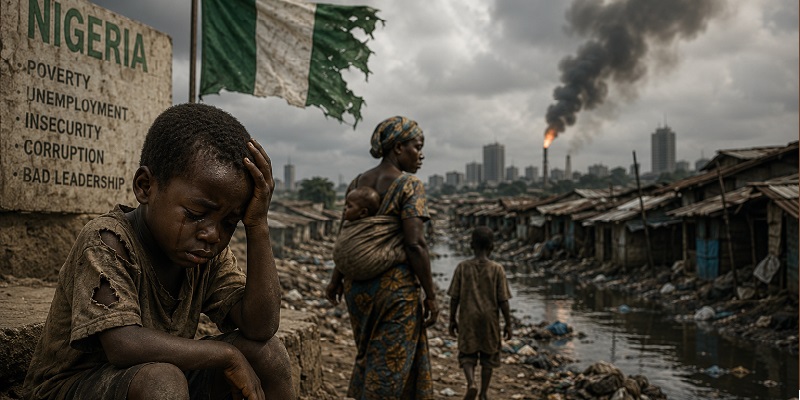
TD Africa’s oil wealth has long been celebrated as a symbol of potential prosperity.

Yet, the latest Global Hunger Index (2025) reveals a sobering paradox: some of the continent’s richest oil-producing nations are also among the hungriest.
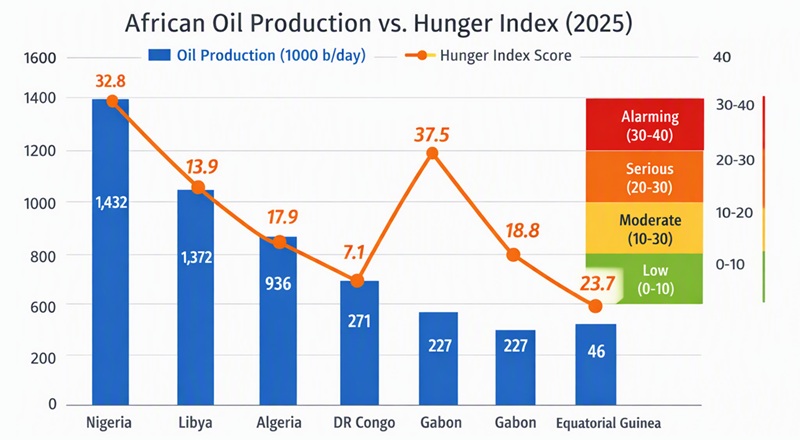
Oil Output vs. Hunger Index
Country — Oil Output (1000 b/day) | Hunger Index Score 2025
- 🇳🇬 Nigeria — 1,432 | 32.8 (115th)
- 🇱🇾 Libya — 1,372 | 13.9 (69th)
- 🇩🇿 Algeria — 936 | 7.1 (38th)
- 🇨🇬 DR Congo — 271 | 37.5 (121st)
- 🇬🇦 Gabon — 227 | 18.8 (83rd)
- 🇬🇶 Equatorial Guinea — 46 | 23.7 (99th)
Nigeria, Africa’s largest oil producer, paradoxically ranks among the worst in hunger, with a score of 32.8, classified as “serious.”
DR Congo, despite its vast mineral wealth, fares even worse at 37.5, placing it in the “alarming” category.
The Paradox of Plenty
The tragedy is not a lack of resources but the failure to convert them into prosperity.
Oil revenues were meant to fund infrastructure, education, and food security.
Instead, corruption, mismanagement, and foreign interference have left millions hungry.
As one commentator noted: “If it were by resources, Congo would have been the richest country on earth, but they’re not even top five in Africa.”
Nigeria exemplifies this paradox.
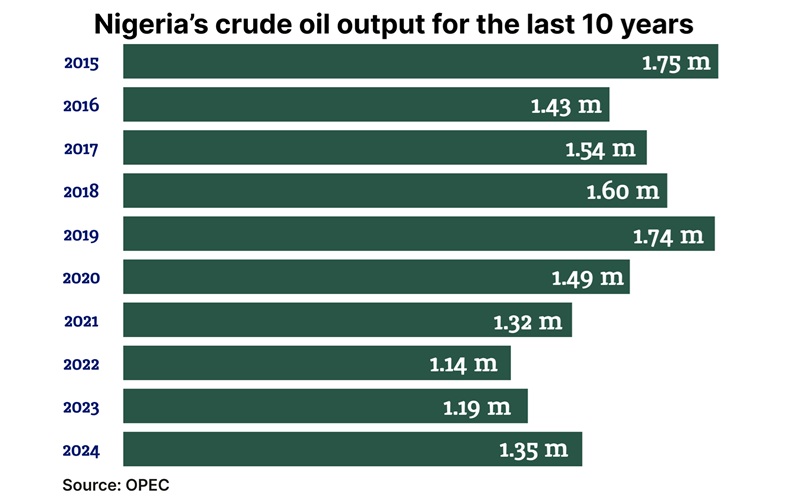
Despite pumping more than 1.4 million barrels per day, it struggles with food insecurity, poverty, and unemployment.
Citizens lament that leaders have plundered resources, supported by tribal and religious patronage networks, leaving hunger as the defining headline of a resource-rich nation.
Oil Wealth, Human Poverty
- Nigeria: Oil revenues dominate the economy, yet over 60% of Nigerians remain poor, and hunger persists across rural and urban areas.
- Libya: Despite political instability, Libya’s hunger index is far lower than Nigeria’s, showing that governance matters as much as resources.
- Algeria: With a hunger score of 7.1, Algeria demonstrates how oil wealth can be better managed to reduce food insecurity.
- DR Congo: Rich in minerals, yet plagued by conflict and corruption, it remains one of the hungriest nations globally.
- Equatorial Guinea & Gabon: Both small oil producers, yet their hunger scores reflect the same failure to translate resource wealth into human development.
Why Oil Fails to Feed
- Corruption: Billions in oil revenues are siphoned off by elites, leaving little for social investment.
- Foreign Interests: International oil companies and geopolitical players prioritize resource extraction over local development.
- Weak Institutions: Poor governance and lack of accountability prevent revenues from reaching citizens.
- Conflict: In places like DR Congo, insecurity disrupts agriculture and food supply chains.
- Neglect of Agriculture: Oil wealth often sidelines investment in farming, worsening food insecurity.
The Resource Curse
Economists call it the “resource curse” — nations rich in natural resources often suffer slower development, weaker institutions, and higher poverty.
Africa’s oil paradox is a textbook case.
Instead of prosperity, oil has entrenched inequality. Citizens see pipelines and refineries, but not food on their tables.
As one Nigerian analyst put it: “Oil was supposed to jumpstart development, but all we got was corruption and foreign interference to keep the resource flowing at all costs.”
Implications
- For Nigeria: The hunger crisis undermines its claim to continental leadership. Oil wealth without food security is a hollow victory.
- For Africa: The paradox highlights the urgent need for diversification, transparency, and investment in agriculture.
- For Citizens: Hunger remains a daily reality, even in nations that export billions in oil revenues.
The richest oil-producing country in Africa has become one of the hungriest.
Nigeria’s plight is emblematic of a broader African tragedy: abundance without prosperity.
The paradox is stark — barrels of oil flow daily, yet plates remain empty.
Until leaders prioritize governance, accountability, and food security, Africa’s oil wealth will remain a curse rather than a blessing.