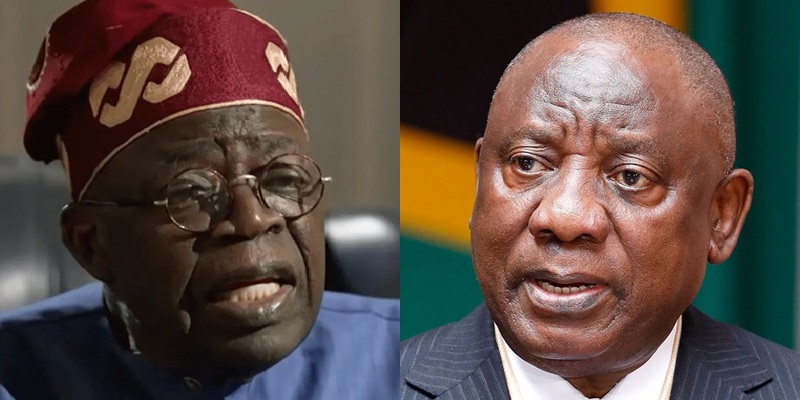
TD Abuja, Nigeria — President Bola Tinubu has declined to personally receive South Africa’s envoy in Abuja, directing the delegation instead to Nigeria’s Ministry of Foreign Affairs.

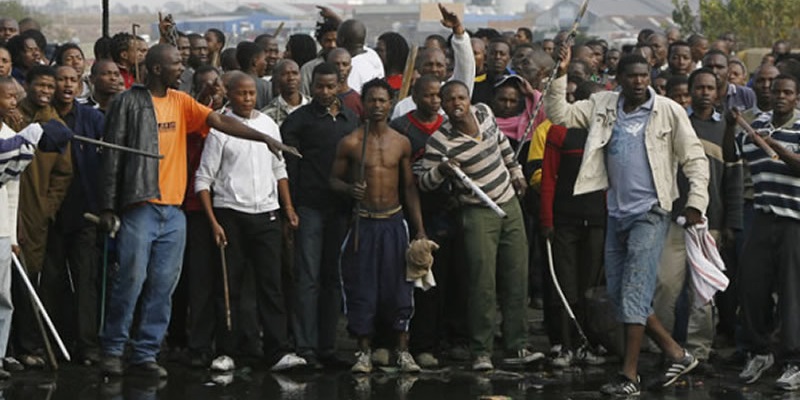
The move comes against the backdrop of renewed xenophobic attacks on Nigerians living in South Africa.
The attacks have sparked outrage and heightened diplomatic tensions between Africa’s two largest economies.
Key Facts
- Date & Context: On Monday, July 27, 2026, Tinubu refused to meet the South African delegation following fresh xenophobic violence that forced the evacuation of hundreds of Nigerians.
- Delegation Leader: The envoy was led by Ronald Lamola, South Africa’s Minister of International Relations and Cooperation, carrying a message from President Cyril Ramaphosa.
- Tinubu’s Directive: Tinubu instructed that discussions be held with Ambassador Sola Enikanolaiye, Nigeria’s Minister of State for Foreign Affairs, rather than meeting the delegation himself.
- Foreign Affairs Minister’s Advice: Nigeria’s substantive Foreign Affairs Minister, Bianca Odumegwu-Ojukwu, advised against Tinubu’s personal engagement while attacks on Nigerians and their businesses were ongoing.
- Diplomatic Tensions: Nigeria has demanded that South Africa ratify the Early Warning Mechanism (EWM) agreement signed in 2025 to prevent xenophobic violence.
Why Tinubu Declined
- Security Concerns: The refusal followed reports of ongoing attacks, including the killing of Nigerian national Chika Ibe in Cape Town.
- Diplomatic Protocol: Presidency sources noted that the South African delegation arrived without prior notice, and Tinubu’s schedule did not include a meeting.
- Policy Position: Nigeria insists that South Africa must first ratify the EWM pact before further high-level talks can proceed.
Implications
- Nigeria–South Africa Relations: Tinubu’s refusal signals a tougher diplomatic posture, demanding accountability and stronger protections for Nigerians abroad.
- Regional Diplomacy: The incident comes ahead of the African Union Extraordinary Summit in Angola (August 2026), where xenophobia and migration are expected to dominate discussions.
- Domestic Impact: Tinubu’s stance may resonate with Nigerians frustrated by repeated attacks, reinforcing his administration’s commitment to safeguarding citizens overseas.
In short, President Tinubu declined to meet the South African envoy, directing them instead to Nigeria’s Foreign Affairs ministry.
The decision, taken amid heightened xenophobic violence against Nigerians in South Africa, marks a significant diplomatic snub and raises the stakes in Nigeria–South Africa relations.