


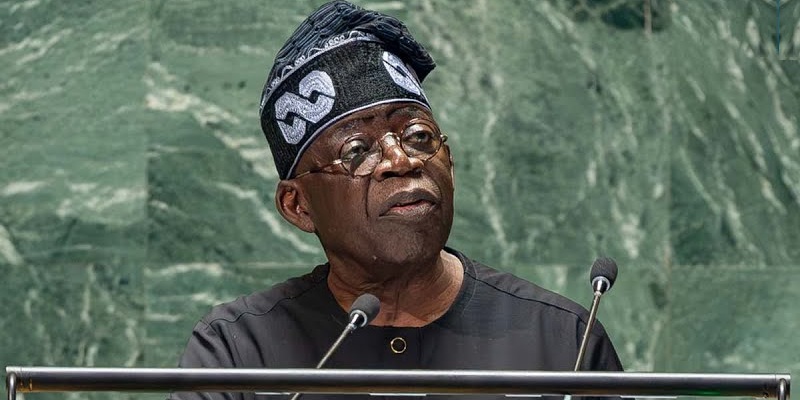

 I have listened to President Bola Ahmed Tinubu speak and, on more than one occasion, found myself replaying a passage to work out what he was trying to say.
He starts a sentence, stumbles over it, swallows the ending and moves on. Then comes the applause. I sometimes wonder what the people clapping actually heard.
I am Yoruba on my mother’s side and Kalabari on my father’s. I hear the cadence of Yoruba in Tinubu’s English, as I do in the speech of many Nigerians I admire.
My criticism is about clarity. English is the language in which Nigerians from different parts of the country conduct much of our public business.
When the president uses it to address the nation, people should be able to follow what he says and know what he is asking of them.
I remember General Yakubu Gowon as a composed, well-spoken man.

During the civil war, when every public statement carried consequences at home and abroad, he could present the federal government’s position in language people could follow.
His bearing helped him command attention, and his command of language helped him use that attention.
The 1960 Kennedy–Nixon debates are another reminder of how much television can magnify a candidate’s composure and delivery.
In politics, people take their measure of a leader partly by watching and listening to him.
There have been public questions about Tinubu’s educational record. Those questions deserve documented answers.
My judgment of his public speaking comes from listening to him.

When he addresses Nigerians about the cost of living or speaks for us overseas, I want to hear a clear account of what his government is doing, why it is doing it and what Nigerians can expect in return.
I resent the impression a muddled presidential address can leave abroad. Nigeria is full of people who can explain difficult ideas with clarity and authority.
I have met them in classrooms, courtrooms, businesses and public offices.
We can find that ability in a candidate for the highest office in the land, and we should demand to see it before we give anyone our vote.
At the next election, let us choose a president with a sound education, a grasp of the issues and the ability to speak plainly under questioning.
Let the candidates answer unscripted questions in public.

Let Nigerians hear them explain their policies, defend their decisions and tell us what they will do when those policies fail.
The people in the hall can clap all they like. The rest of us have a vote.