
 The Independent National Electoral Commission (INEC) has said that its Result Viewing Portal will show polling-unit results during the 2027 elections, without ward, local government, or state collation forms.
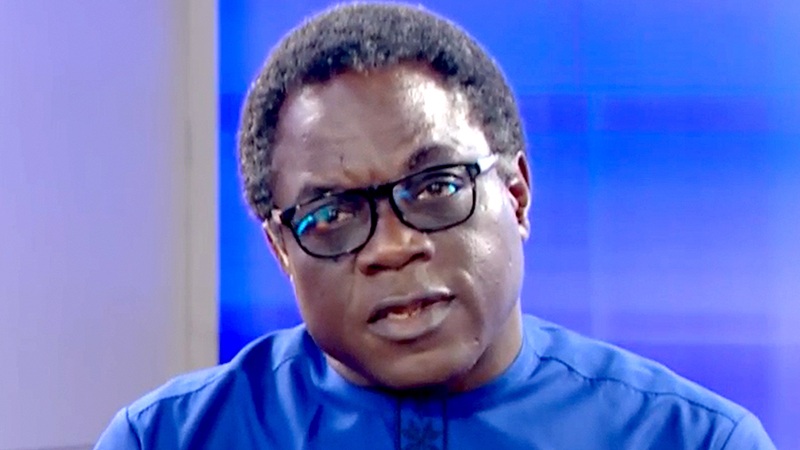
Lawrence Bayode, the commission’s director of information and communication technology, made the announcement Tuesday at a Yiaga Africa roundtable in Abuja.
He said the system needed to publish Forms EC8B, EC8C, and EC8D had not been built or tested.
Those forms record results at ward, local government, and state levels, respectively.
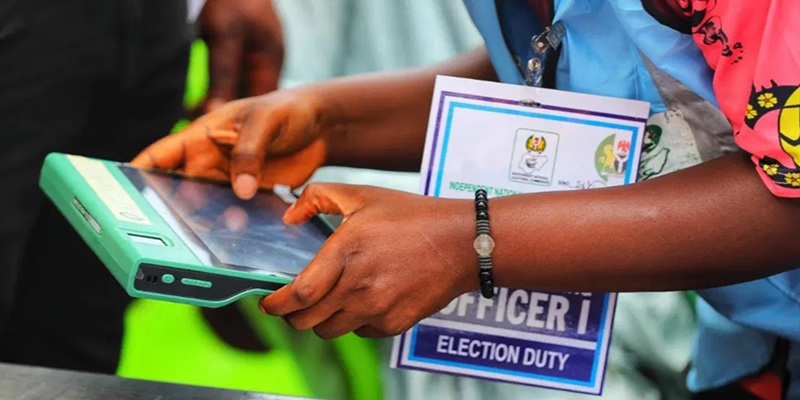
Form EC8A, which records polling-unit results, is currently uploaded to IReV for public viewing.
The announcement means online viewers will be able to inspect polling-unit result sheets, but not the successive collation forms through the portal.

Yiaga Africa Executive Director Samson Itodo said the organisation had previously recommended publishing the additional forms to strengthen transparency.
Participants said access to the forms could help the public compare polling-unit figures with totals recorded at later stages.
INEC, Transparency Concerns and Public Distrust
The decision has prompted renewed concern about transparency during collation, a stage that has drawn scrutiny in previous Nigerian elections.
Critics fear that without digital access to higher-level forms, it may be harder to identify where discrepancies arise.
Some social media posts have accused INEC of preparing to manipulate the 2027 presidential results for incumbent Bola Tinubu.
Those accusations are claims, not established evidence, and Bayode’s explanation concerned the system’s readiness rather than any plan to alter results.

Online critics have also used the phrase “Rig and Die” to express opposition and distrust.
The commission’s stated technical limitation does not itself demonstrate that results will be manipulated.
However, the absence of higher-level result forms from IReV could complicate independent checks of how figures progress through collation.
Calls for Stronger Verification
Yiaga Africa and other participants have called for publication of the additional forms to make the collation process more visible.
Public access to EC8B, EC8C, and EC8D could allow observers to compare successive totals with polling-unit records.
INEC has also discussed other measures for the 2027 election, including BVAS use and checks on polling-unit results before electronic publication.

At the roundtable, Bayode said independent result tabulation should support public confidence, while cautioning that unofficial tallies must not be presented as INEC declarations.
The debate now centres on how INEC will explain and verify results at each stage when higher-level forms are unavailable online.
Clear procedures, timely disclosures, and credible access to records will be important to maintaining confidence before election day.