 At least nine people were reportedly killed in an attack on Zuwagal community in Mangu Local Government Area, Plateau State.
The reported deaths add to a troubling pattern of attacks, displacement, and destruction affecting communities across Nigeria.
OpenWatch security incident records documented 261 reported deaths nationwide between November 2 and 15, 2026.
The records cited 24 deaths in Plateau during the first week and another 15 during the second week.
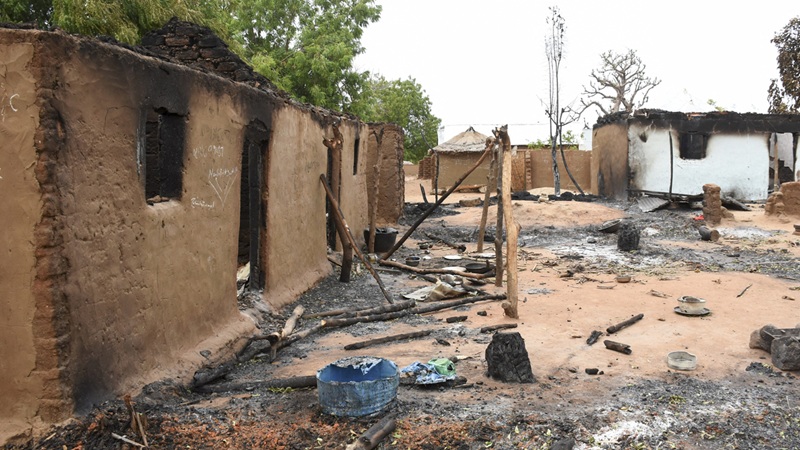
Additional attacks were reported in Plateau on November 16, extending concerns beyond the two-week period.
Each victim was a person with family, responsibilities, and a future, and each death leaves lasting grief behind.

The figures remain reported counts, but they point to the scale of the country’s ongoing security emergency.
Residents in vulnerable communities continue to face the threat of violence and uncertainty about whether help will arrive in time.
Questions Over Protection and Intelligence
Repeated attacks raise urgent questions about whether communities at risk receive adequate protection from security forces.
They also prompt scrutiny of whether intelligence reaches decision-makers early enough to prevent violence and protect civilians.
When warnings fail to produce timely action, residents may be left exposed to threats that could have been addressed.
The pattern demands clear explanations from authorities about security deployments, early-warning processes, and responses to reported threats.

Families affected by the violence in Plateau or elsewhere need reliable information about casualties, missing people, and steps being taken to restore safety.
Authorities should publish transparent and accurate casualty figures for each affected community.
Accurate reporting can help families, relief organisations, and the public understand the scale of harm and identify urgent needs.
Plateau Residents Call for Investigation, Relief and Accountability
Security agencies should reinforce operations in vulnerable communities and thoroughly investigate the attacks, including any support networks behind them.
Those responsible should face justice through credible investigations and fair legal processes.
Authorities should establish dependable early-warning and rapid-response systems so that reports of imminent threats prompt timely protection.

Displaced Plateau families need humanitarian assistance, including essential supplies, safe shelter, and support to rebuild their lives.
Relief efforts should reach affected communities promptly and account for residents’ needs beyond the immediate aftermath.
Longer-term recovery will require coordinated rehabilitation and sustained engagement with communities experiencing repeated violence.
Government agencies should explain what measures are being taken, who is responsible for carrying them out, and how progress will be assessed.
Addressing the Roots of Insecurity
Lasting security requires more than emergency deployments after communities have already suffered attacks.
Institutions must be strengthened so that intelligence gathering, civilian protection, investigations, and justice work effectively and accountably.
Education and economic opportunity can also help communities build resilience and reduce conditions that allow insecurity to persist.
Meaningful engagement with residents can help authorities understand local risks and respond to warnings before violence escalates.
Every Nigerian life has equal value, regardless of ethnicity, religion, or political affiliation.
The right to life must be protected consistently, and no community should be left to face violence alone.
Condolences go to the bereaved families and the people of Plateau State as they mourn their losses.
Nigeria must do more than mourn those who have died; it must protect those still living.