



TD Nigeria today faces one of its gravest security crises in decades.
Under President Bola Ahmed Tinubu’s administration, allegations of ransom payments to Boko Haram and other armed groups have raised troubling questions.
Issues include whether government actions are inadvertently strengthening terrorists rather than defeating them.
Reports from Agence France-Presse (AFP) and testimonies from freed hostages suggest that the government’s counterterrorism strategy may be deeply compromised, leaving millions of Nigerians vulnerable.
The Oyo State School Abduction
In July 2026, 39 pupils and teachers abducted in Oyo State were declared “rescued” after 56 harrowing days in captivity.
Yet doubts quickly surfaced.

One freed teacher described how kidnappers simply unchained the victims and allowed them to walk free — no gunfire, no military confrontation.
Another survivor bluntly stated that the bandits released them, not soldiers.
This discrepancy between official claims of a “rescue” and eyewitness accounts of a negotiated release raises critical questions:
-
Were the victims freed through ransom payments?
-
If so, what terms were agreed upon?
-
And why does the government continue to insist on military success when evidence points to back-channel deals?

The Niger State Ransom Scandal
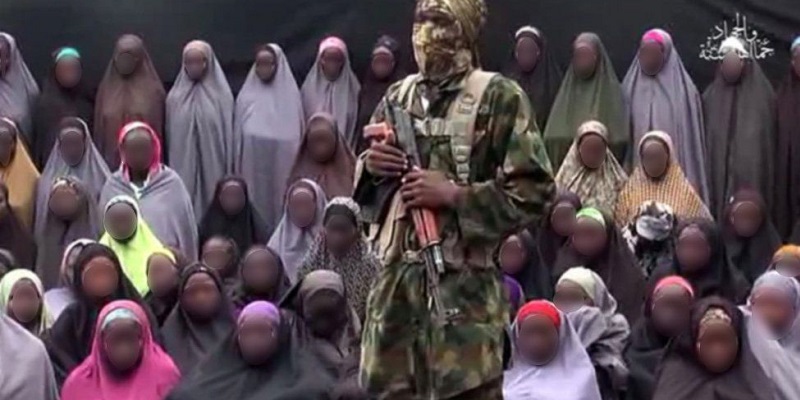
Earlier in 2026, Boko Haram militants stormed a Catholic school in Niger State, abducting nearly 300 children and staff.
The government announced their release as a triumph of military operations.
However, AFP’s investigation, published on February 24, 2026, revealed a different story.

According to intelligence sources, the Tinubu administration secretly paid approximately $7 million (over ₦10 billion) to Boko Haram for the hostages’ freedom.
The ransom was allegedly delivered by helicopter to Boko Haram’s stronghold in Gwoza, Borno State, near the Cameroon border.
Two Boko Haram commanders were also freed as part of the deal.
This revelation, if accurate, represents a direct violation of Nigeria’s Terrorism Prevention Act, which forbids ransom payments to kidnappers.
More importantly, it signals a dangerous precedent: terrorists can abduct en masse, confident that the government will pay handsomely for their release.
Legal and Security Implications
Nigeria’s anti-ransom law was designed to prevent exactly this scenario.

Paying terrorists emboldens them, providing funds to purchase weapons, recruit fighters, and expand operations.
By allegedly handing over billions of naira and releasing hardened commanders, the Tinubu government may have empowered Boko Haram to escalate its campaign of violence.
Security analysts warn that ransom payments create a vicious cycle.
Terrorists target schools, villages, and highways knowing the government will negotiate.
Each payment fuels the next abduction, trapping Nigeria in a perpetual crisis.
Government Denials vs. Intelligence Leaks
The government has consistently denied paying ransoms, insisting that hostages are rescued through military action.
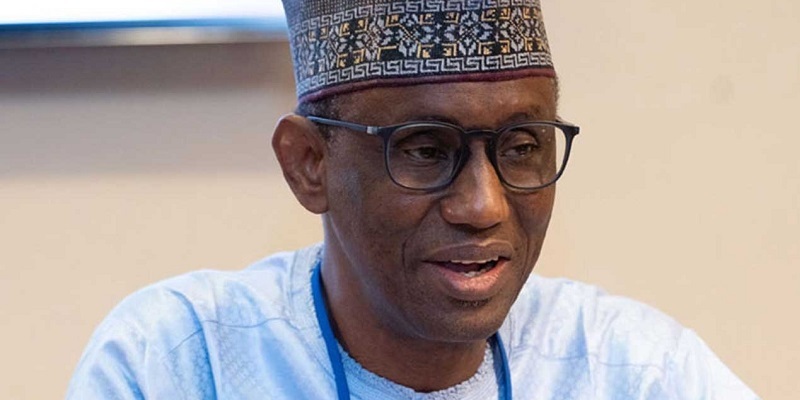
Yet AFP’s sources contradict this narrative, claiming negotiations led by National Security Adviser Nuhu Ribadu secured the releases.
Critics argue that if the government knew Boko Haram’s location well enough to deliver ransom by helicopter, it should have been able to launch a rescue mission instead.
The contradiction between official statements and intelligence leaks undermines public trust and raises suspicions of deliberate deception.
Historical Context of Ransom Allegations
Nigeria has faced similar accusations before, all carrying rumors of ransom payments despite government denials:
-
The 2014 Chibok girls’ abduction,
-
the 2018 Dapchi schoolgirls kidnapping, and,
-
the 2022 Abuja-Kaduna train attack.
Families of victims often reported paying privately through intermediaries.
What distinguishes the Tinubu era is the scale of alleged payments — billions of naira delivered directly to Boko Haram — and the reported release of commanders.
This combination of financial and logistical empowerment risks transforming Boko Haram into a parallel authority capable of challenging the state itself.
Public Reaction and Outrage
The alleged payments have sparked outrage across Nigeria.
Citizens express relief that children are safe but anger that terrorists were enriched.
Social media is ablaze with criticism, accusing the government of funding terrorism under the guise of rescue operations.
Civil society groups demand independent investigations, calling for accountability from President Tinubu and his security team.
Many Nigerians fear that the government’s actions have crossed from incompetence into complicity, enabling terrorists to thrive.
Empowerment of Boko Haram
By allegedly paying billions of naira and freeing commanders, the Tinubu administration has provided Boko Haram with:
- Financial Strength: Funds to purchase arms, vehicles, and communication equipment.
- Logistical Advantage: Released commanders bring experience, networks, and morale boosts.
- Psychological Victory: Terrorists now know the government will negotiate, not confront.
- Political Leverage: Boko Haram can exploit ransom deals to project power and legitimacy.
This empowerment risks tipping the balance of power.
If terrorists can finance operations and rebuild leadership through government concessions, they may one day attempt to seize control of the state itself.
Conclusion
Nigeria’s fight against terrorism stands at a crossroads.
Allegations of ransom payments and the release of Boko Haram commanders suggest that the Tinubu government may be empowering the very forces it claims to oppose.
If true, these actions represent not only a violation of law but a betrayal of public trust.
They risk creating a cycle of abductions, enriching terrorists, and endangering millions of Nigerians.
The Oyo State pupils’ release, shrouded in ambiguity, only deepens suspicions.
Were they truly rescued, or simply freed after another secret deal?
Until transparency is restored, Nigerians will continue to doubt their government’s narrative.
What is certain is that Boko Haram — a violent extremist and terrorist organization responsible for severe harm, loss of life, and human rights violations — has been emboldened.
And under this regime, the danger to Nigeria’s future has never been greater.