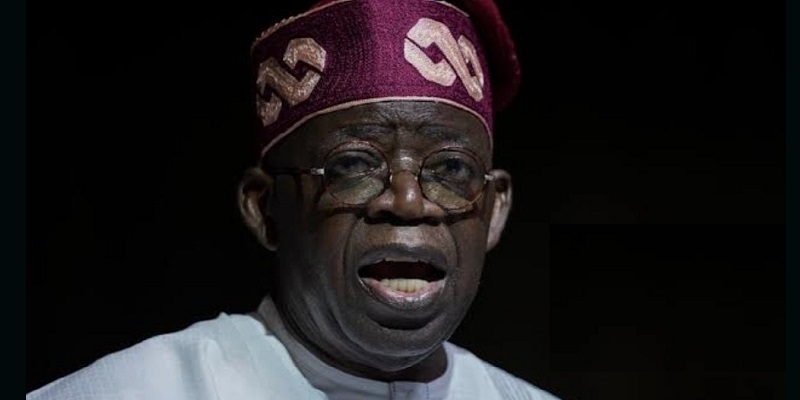
TD An explosive report from Agence France-Presse (AFP) has sent shockwaves across Nigeria and beyond, alleging that President Bola Ahmed Tinubu’s government secretly paid between ₦2 billion and ₦10 billion to Boko Haram in exchange for the release of nearly 230 kidnapped schoolchildren and teachers in Niger State.

The AFP report alleging that President Tinubu’s government paid Boko Haram between ₦2 billion and ₦10 billion to free kidnapped schoolchildren and teachers in Niger State was published on February 24, 2026.
The revelation, if confirmed, would represent a direct violation of Nigeria’s anti-ransom law, which prohibits payments to terrorist groups.
The government has consistently maintained that hostages are “rescued” through military operations, but AFP’s sources suggest otherwise.
Background of the Kidnapping
Earlier this year, Boko Haram militants stormed a school in Niger State, abducting close to 300 children and teachers.
While some managed to escape, the majority remained in captivity for weeks.
The government later announced their release, claiming it was the result of a successful rescue mission.
However, AFP’s investigation paints a different picture.
According to four intelligence sources, the release was secured through back-channel negotiations led by Nigeria’s National Security Adviser (NSA), Nuhu Ribadu.
Alleged Ransom Payment
AFP reports that the ransom was delivered by helicopter into Boko Haram’s enclave in Gwoza, Borno State, near the Cameroon border.
The funds were allegedly handed over to Ali Ngulde, a senior Boko Haram commander.
Another feared figure, Sadiku, was identified as the mastermind of the operation.
One source claimed the government paid ₦40 million per hostage, amounting to roughly $7 million USD.
In addition to the money, two Boko Haram commanders were reportedly freed as part of the deal.
Legal and Security Implications
Nigeria’s Terrorism Prevention Act explicitly forbids ransom payments.
It argues that they embolden terrorist groups, allowing them to buy more weapons and carry out further attacks.
If the AFP report is accurate, the government’s actions could be seen as empowering Boko Haram rather than weakening them.
Security analysts warn that such payments risk creating a cycle of kidnappings, where terrorists target schools and communities knowing the government will pay.
Government Denial vs. Intelligence Sources
The Nigerian government has denied the allegations, insisting that the hostages were rescued through coordinated military action.
Yet AFP’s sources contradict this narrative, claiming negotiations lasted two weeks before the captives were freed.
The alleged involvement of Nuhu Ribadu in the talks has raised further questions about transparency and accountability.
Critics argue that if the government knew Boko Haram’s location well enough to deliver ransom by helicopter, it should have been able to launch a rescue mission instead.
Historical Context
This is not the first time Nigeria has faced accusations of ransom payments.
Past kidnappings — including the Chibok girls in 2014 and the Abuja-Kaduna train attack in 2022 — have been dogged by similar claims.
In many cases, families of victims reported that ransom was paid privately or through intermediaries, despite official denials.
Public Reaction
The alleged payment has sparked outrage among Nigerians.
Many citizens express relief that the children are safe but anger that billions of naira may have been handed to terrorists.
Social media is ablaze with criticism, with some accusing the government of funding terrorism under the guise of rescue operations.
Civil society groups are calling for an independent investigation into the matter, demanding accountability from both President Tinubu and his security team.
Conclusion
While the government maintains its denial, AFP’s report has opened a major scandal that could undermine public trust in Nigeria’s counterterrorism strategy.
If ransom payments are indeed being made, Nigeria faces a dangerous precedent: terrorists may see mass abductions as a lucrative business model.
For now, the truth lies between official denials and intelligence leaks.
What is certain is that Nigeria’s fight against terrorism is at a crossroads — and the lives of innocent citizens remain caught in the balance.
Important Note: Boko Haram is a violent extremist and terrorist organization responsible for severe harm, loss of life, and human rights violations in Nigeria and neighboring countries.
Any discussion of them must be understood in that context.