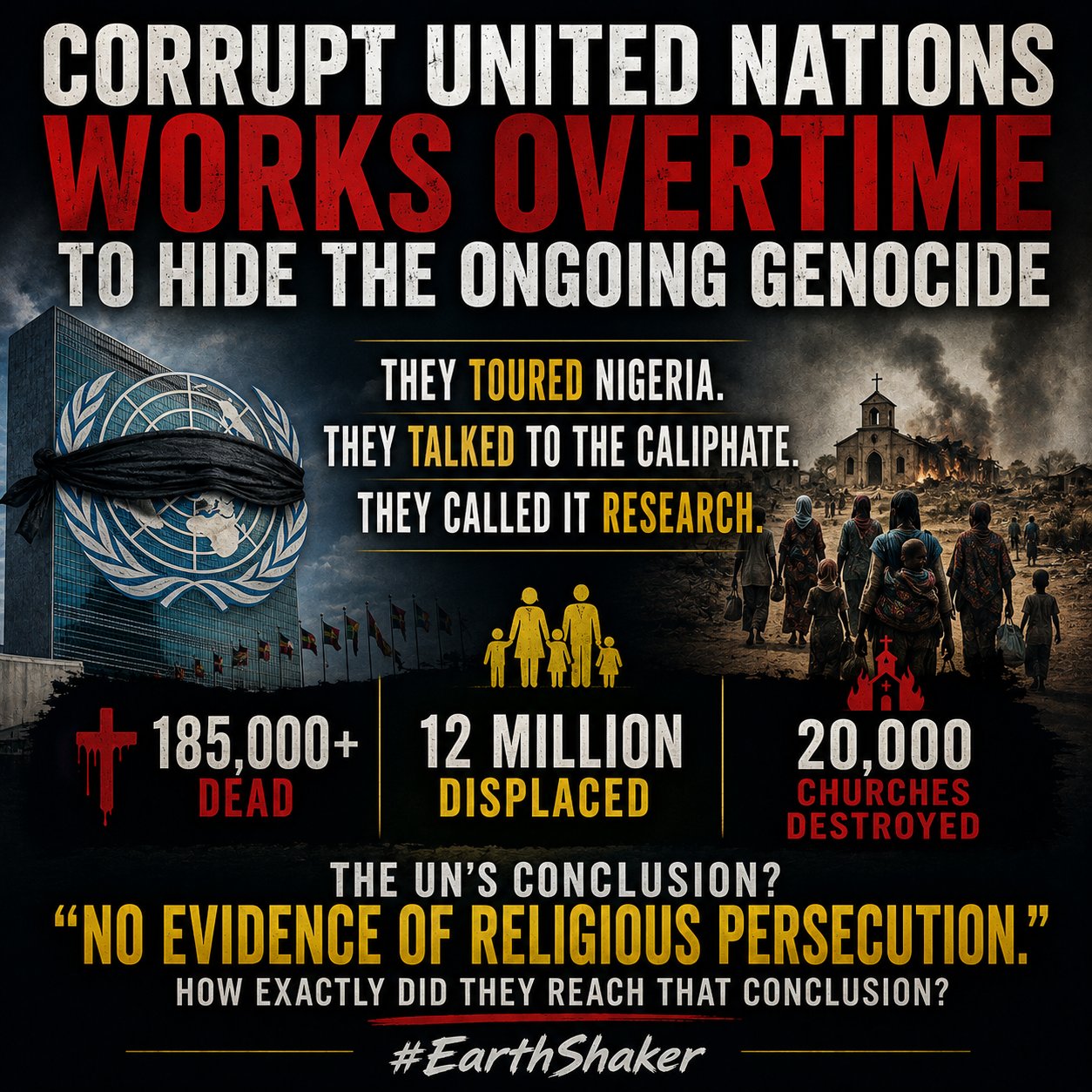
TDA recent report by the United Nations Special Rapporteur on Freedom of Religion or Belief, Prof. Nazila Ghanea, has triggered strong criticism from international advocates and activists following its conclusion that there is no evidence of religious persecution in Nigeria.

The report, released after a 12-day fact-finding mission to Nigeria, found no proof of state-sponsored religious persecution or genocide.
The mission, conducted at the invitation of the Nigerian government, included visits to Abuja, Kano and parts of Plateau State.
There, the rapporteur met with government officials, religious leaders and civil society representatives.
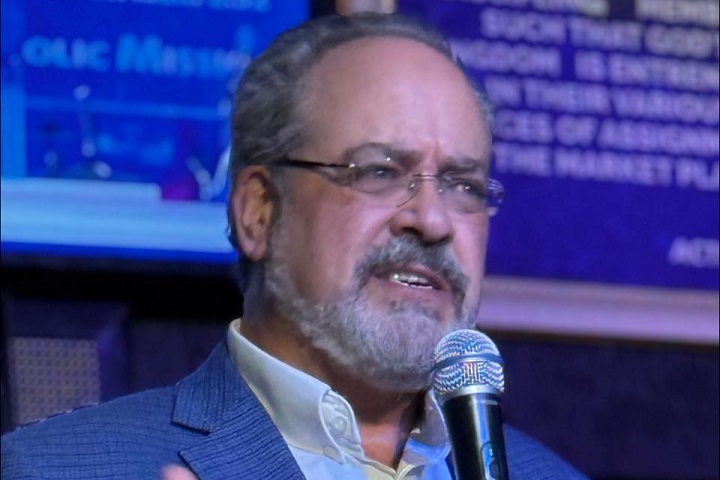
However, the findings have been sharply challenged by American humanitarian worker Mike Arnold.
Arnold described the report as a “whitewash” of ongoing violence against Christians and other communities in parts of Nigeria.
Arnold argued that the rapporteur applied an incorrect legal standard by focusing on the absence of direct government orders targeting Christians.
According to him, international law does not require evidence of formal state directives for acts to qualify as genocide or religious persecution.
Drawing parallels with the 1994 Rwandan Genocide, Arnold noted that genocide can be carried out by militias and non-state actors if there is intent to destroy a particular group.
He further criticized the scope of the UN mission, saying it did not include visits to several areas that have experienced recurrent attacks and mass killings.
Such areas include communities in Benue, Taraba, Southern Kaduna and parts of Borno State.
According to Arnold, the rapporteur herself acknowledged in her statement that many villages and hamlets continue to experience killings, violence and destruction of livelihoods, often with little or no justice for victims.
He also pointed to remarks suggesting that some incidents “could qualify as genocide”.
Meanwhile, he noted that legal experts consulted during the mission reportedly could not definitively rule out the possibility that genocide was occurring in some parts of the country.
The criticism also referenced submissions made to the UN before the visit by certain international organizations.
These include:
- European Centre for Law and Justice,
- Genocide Watch and,
- 21Wilberforce.
These organizations documented and presented allegations of anti-Christian violence.
Arnold, who says he works with displaced persons in camps around Abuja, accused the United Nations of downplaying the scale of the crisis.
He cited estimates claiming that more than 185,000 Christians and non-jihadist Muslims have been killed since 2009.
Meanwhile, millions have been displaced from their homes.
The UN report has renewed debate over the nature of insecurity in Nigeria.
Violence involving armed groups, bandits, insurgents, communal conflicts and criminal networks has affected communities across several regions in the country.
The Nigerian government has consistently maintained that the country’s security challenges are driven primarily by criminality, insurgency and resource-based conflicts rather than religious persecution.
On the other hand, critics argue that attacks against certain religious communities warrant greater international scrutiny.
The controversy is expected to intensify discussions among policymakers, human rights organizations and international observers over how violence in Nigeria should be characterized and addressed.