





TDThe killing of Mene Ogidi in Delta State has continued to stir outrage across Nigeria, with human rights lawyer Aloy Ejimakor alleging that the act was a deliberate attempt.
According to Barrister Ejimakor, the aim seems to silence him from exposing individuals in positions of authority.
Background to the Mene Ogidi Saga
Ogidi, who was shackled at the time of his death, was murdered on camera by police officer Nuhu Usman.
The Inspector General of Police, Kayode Egbetokun Disu, has since announced the dismissal and prosecution of Usman and his team.
The move was seen as an attempt to restore public confidence in the force.
Ejimakor’s intervention
Reacting to the incident, Ejimakor stated:

“It appears the #MeneOgidi was murdered to silence him from implicating persons in position of power.
This also needs to be investigated to the hilt.”
He further noted that while Ogidi’s killing was caught on video, similar atrocities are rampant in the Southeast but often occur “off-camera.”
Ejimakor warned that unchecked impunity of this nature could trigger spontaneous unrest, drawing parallels with the Arab Spring uprisings.
“The authorities better be careful and just, because a spontaneous revolution is not impossible,” he cautioned.
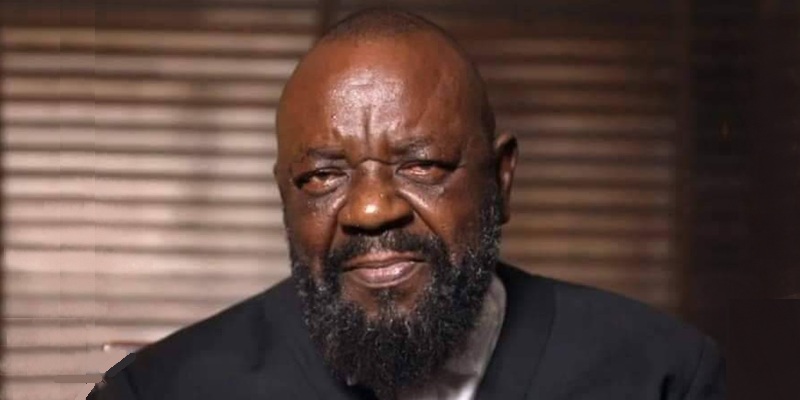
Mene Ogidi: Calls for reform
The lawyer concluded by demanding radical police reform, stressing that personnel restructuring is essential to prevent future abuses.
“Let there be a radical police (personnel) reform that would henceforth make this sort of atrocity very rare,” he said.
Civil society groups have echoed Ejimakor’s concerns, calling for transparency in the investigation and accountability for all those complicit.

Analysts note that the case has become a litmus test for Nigeria’s commitment to human rights and police reform.
Wider Reactions and Context of Police Reform Debates
Nigeria has long grappled with allegations of police brutality, with the #EndSARS protests of 2020 highlighting systemic abuses.
While reforms were promised, critics argue that little has changed in practice.
The Ogidi case, they say, underscores the urgency of genuine restructuring and accountability within the force.
Ejimakor’s remarks is situated within the broader context of police reform debates, civil society reactions, and Nigeria’s history of protests against impunity.
Why the Ogidi Case Matters for Nigeria’s Democracy
The killing of Mene Ogidi is more than a tragic incident—it is a test of Nigeria’s democratic resilience.

1. Accountability in Security Forces
Democracy thrives when institutions are accountable.
The prosecution of officer Usman is a step in the right direction, but the deeper question is whether systemic reforms will follow.
Without structural change, isolated prosecutions risk being symbolic rather than transformative.
2. Trust Between Citizens and the State
Public trust in law enforcement has been eroded by repeated cases of brutality.
The Ogidi case, caught on camera, forces the state to confront this crisis of legitimacy.
If citizens believe the police serve power rather than justice, democratic governance itself is undermined.
3. Echoes of Past Movements
Ejimakor’s warning about parallels with the Arab Spring is not far-fetched.
Nigeria’s #EndSARS protests in 2020 showed how quickly outrage against impunity can mobilize mass movements.
The Ogidi case could reignite similar sentiments if justice is not seen to be done.
4. The Reform Imperative
Calls for radical police reform are not new, but the urgency has sharpened.
Personnel restructuring, better training, and stronger oversight mechanisms are essential to prevent future abuses.
Reform is not just about protecting citizens—it is about safeguarding Nigeria’s democratic project.
5. Implications for Rule of Law
If Ogidi’s death was indeed meant to silence him from implicating powerful figures, as Ejimakor suggests, then the stakes are even higher.
A democracy cannot survive if justice is selectively applied or if whistleblowers are eliminated.
In essence, the Ogidi case is not only about one man’s death—it is about whether Nigeria can confront impunity, rebuild trust, and strengthen the rule of law.