



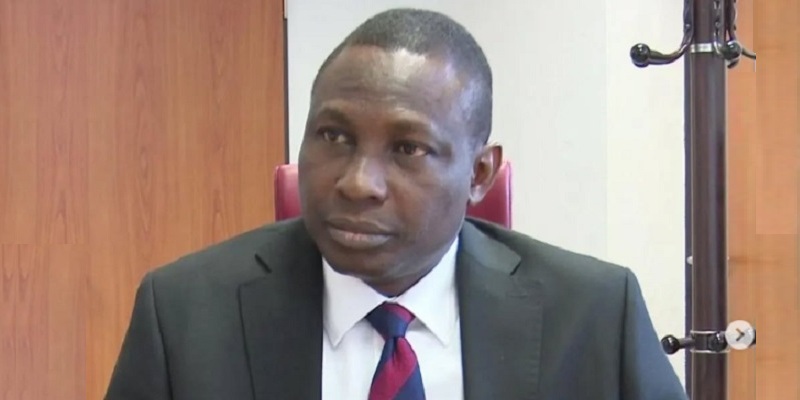

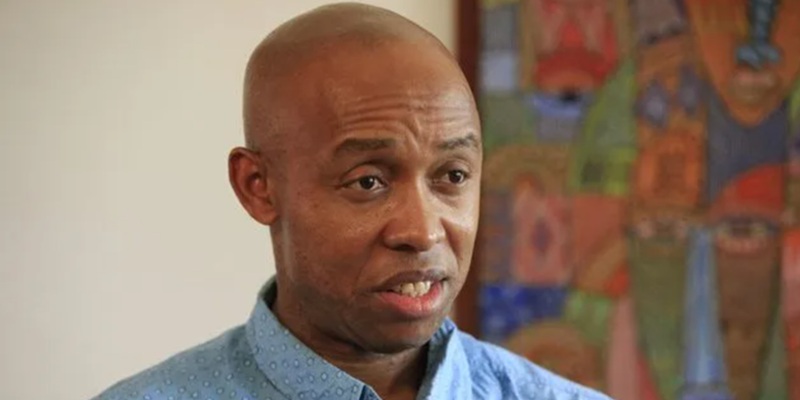
TDA former Chairman of Nigeria’s National Human Rights Commission, Chidi Anselm Odinkalu, has strongly criticised the head of the Economic and Financial Crimes Commission (EFCC) over a controversial claim that 60 percent of students in Nigeria’s tertiary institutions are criminals.
In a detailed public statement, Odinkalu described the assertion as “irresponsible and unconscionable,” arguing that it falls outside the statutory mandate of the anti-graft agency.
According to him, the EFCC lacks the legal authority to profile any demographic group—particularly students—based on their social status, noting that such actions are inconsistent with constitutional provisions.
He further warned that the statement could worsen the already difficult conditions faced by young Nigerians, especially students navigating economic hardship and limited opportunities.
Labelling them broadly as criminals, he said, risks deepening stigma and undermining their future prospects.
Odinkalu also questioned the evidential basis of the EFCC chairman’s claim, stating that no credible study or survey had been presented to support such a sweeping conclusion.

He argued that if such research exists, it should be made public for scrutiny, including details of its methodology.
The human rights advocate redirected attention to what he described as the EFCC’s core responsibility—investigating high-profile corruption cases involving politically exposed persons.
He criticised the agency’s performance in this regard, alleging a selective approach that targets opposition figures while failing to hold powerful individuals within the ruling establishment accountable.
He further cited unresolved cases, including the failure to prosecute former Kogi State Governor Yahaya Bello and the inability to comply with a Supreme Court directive regarding the retrial of Orji Uzor Kalu, as examples of institutional shortcomings.
Odinkalu concluded that prioritising allegations against students over entrenched political corruption represents a misallocation of public resources.
He urged the EFCC to refocus its efforts on systemic corruption, warning that attempts to “criminalise Nigeria’s young people” would only erode public trust in the agency.

The EFCC has yet to officially respond to the criticisms as of press time.