


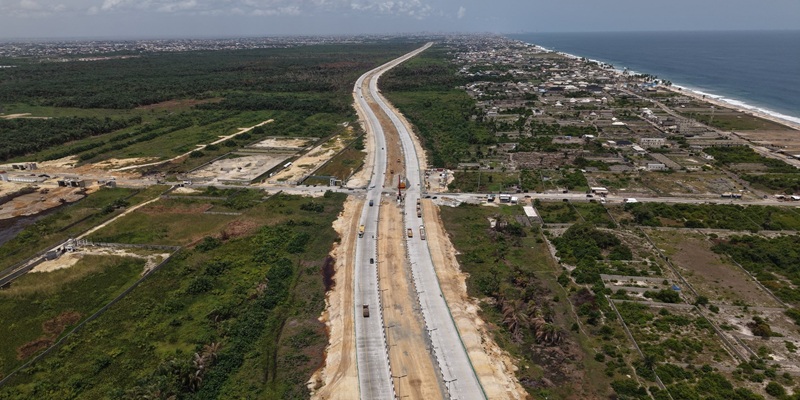

TrackaNG, the public infrastructure monitoring initiative of BudgIT, has questioned the Federal Government’s reported decision to divert sections of the Lagos-Calabar Coastal Highway inland through Edo State to connect with the East-West Road.
In a statement, TrackaNG demanded greater transparency over the revised route, project costs and potential impact on coastal communities.
It raised concerns about the implications of the route change for public spending and value for money.
The organisation questioned the fate of the communities originally expected to benefit from the coastal highway project.
It called on the Federal Ministry of Works and the Federal Government to publish the revised route details.

It also demanded details on the engineering studies, updated project costs and environmental assessments supporting the decision.
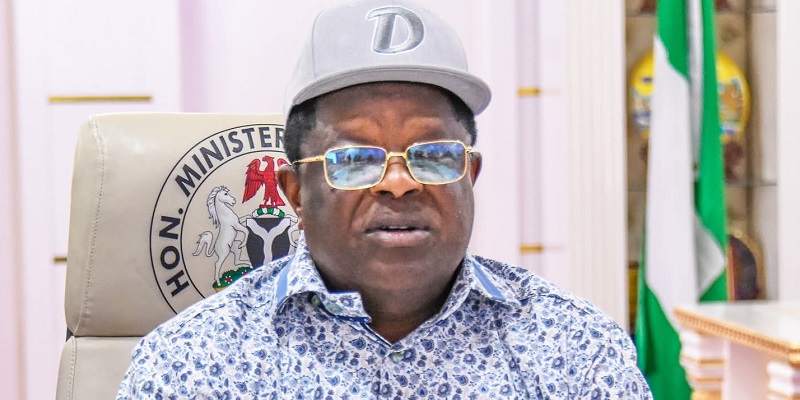
The intervention followed remarks by the Minister of Works, Engineer David Umahi.
Umahi described the route change as a “wonderful engineering decision” by President Bola Tinubu.
Umahi Cites Engineering and Climate Concerns Over Lagos-Calabar Coastal Highway
In a video accompanying TrackaNG’s post, Umahi reportedly defended the proposed route adjustment of the Lagos-Calabar Coastal Highway.
He cited challenges associated with flooding, difficult terrain and climate change.
According to the minister, raising sections of the existing road formed part of the engineering approach intended to address these challenges.

However, TrackaNG argued that assurances about the engineering merits of the decision were insufficient without supporting technical documentation and publicly accessible evidence.
The organisation maintained that Nigerians should be able to examine the studies underpinning the route adjustment and assess its financial, environmental and social implications.
TrackaNG Demands Revised Route and Project Costs
TrackaNG questioned the transparency of the decision on the Lagos-Calabar Coastal Highway.
It argued that a major infrastructure project funded with public resources requires clear explanations whenever significant changes are proposed.
The organisation urged the Federal Ministry of Works to publish the revised alignment of the highway and the engineering studies used to justify the diversion through Edo State.
It also demanded disclosure of the updated project cost, including an explanation of how the route change would affect expenditure and the use of public funds.

According to TrackaNG, the government should provide sufficient information for Nigerians to determine whether the revised plan represents value for money.
The group further called for the publication of relevant environmental assessments and evidence that affected communities had been consulted before decisions affecting them were made.
Concerns Over Communities Affected by the Lagos-Calabar Coastal Highway
A major concern raised by TrackaNG is the potential effect of the revised route on coastal communities that were expected to benefit from the highway.
The organisation questioned how the proposed inland alignment would affect these communities’ access to the economic and infrastructure benefits associated with the original Lagos-Calabar Coastal Highway route.
It argued that the government should explain the implications of the change for connectivity, local economic opportunities and communities along the originally planned alignment.
TrackaNG maintained that public infrastructure projects should deliver on their stated objectives while protecting the interests of affected populations.
Calls for Transparency and Public Consultation
In its statement, TrackaNG called on the Federal Government to make the relevant documents available and address the concerns surrounding the revised plan.
The organisation stressed that engineering justifications alone should not determine the public assessment of a project of this scale.
Instead, it argued that the government must demonstrate value for money in the ongoing Lagos-Calabar Coastal Highway.
Government must also provide evidence supporting its decisions and ensure that affected communities have opportunities to participate in consultations.
The group also called for accountability in decisions that could substantially alter the scope, costs and beneficiaries of a major national infrastructure project.
A Wider Debate Over the Lagos-Calabar Coastal Highway Infrastructure Accountability
The Lagos-Calabar Coastal Highway is a major federal infrastructure project intended to improve connectivity along Nigeria’s southern corridor.
Any substantial alteration to its route raises questions about project design, financing, environmental safeguards and the distribution of its anticipated benefits.
TrackaNG’s intervention places the proposed diversion of Lagos-Calabar Coastal Highway through Edo State under renewed public scrutiny.
Its interest centers on the documentation required to assess the rationale and consequences of the change.
The Federal Government’s response to the organisation’s demands, including the publication of revised engineering studies, cost estimates and environmental assessments, would help clarify the basis of the decision.
TrackaNG’s central position is that Nigerians deserve verifiable evidence, public consultation and accountability—not assurances alone.
This is especially so when major infrastructure decisions affect public funds and the communities the projects are intended to serve.