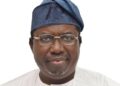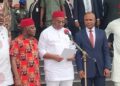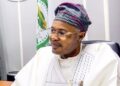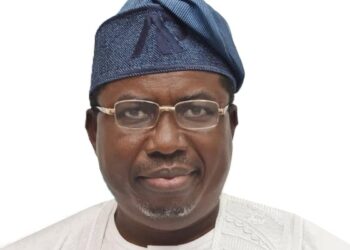




TD Chief Chekwas Okorie, chairman of the Igbo Agenda Dialogue (IAD), has called on governors in Nigeria’s Southeast to urgently address what he described as a growing threat of political violence in the region ahead of the 2027 general elections.
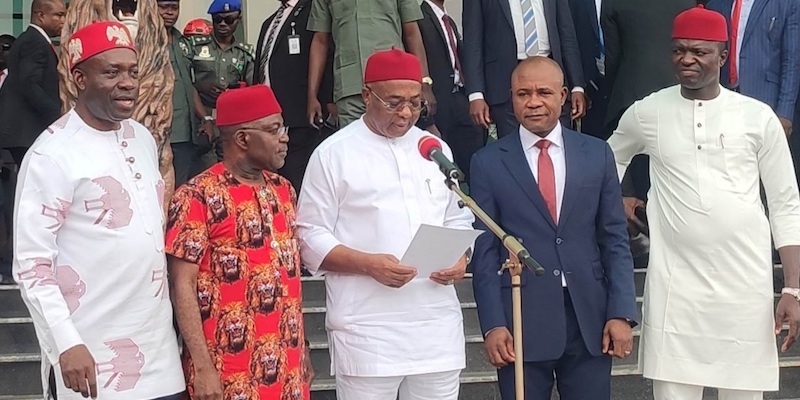
Okorie urged Imo State Governor Hope Uzodimma, who chairs the Southeast Governors Forum, to convene an emergency meeting of the region’s governors to prevent further deterioration of the security situation.
In a statement dated October 13, 2026, Okorie warned that the Southeast must not become a theatre of political conflict.
He argued that electoral competition should be determined through ballots rather than intimidation and violence.
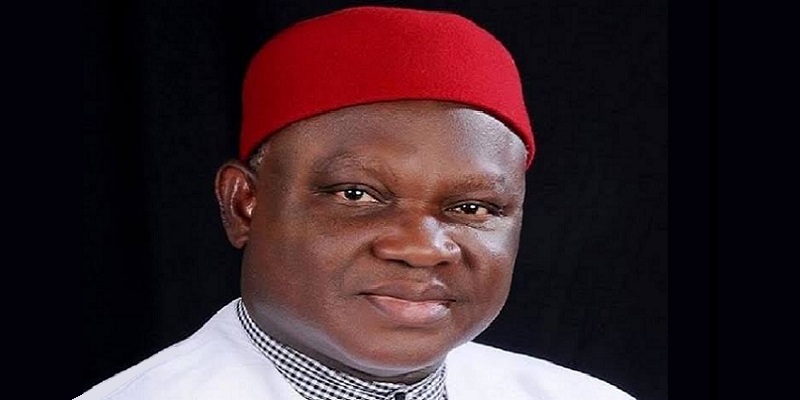
He expressed concern that political tensions were escalating across the region and called on political leaders and security agencies to take decisive steps to protect democratic participation.
Okorie Alleges Attacks on Opposition Political Gatherings
The IAD chairman alleged that opposition parties were increasingly facing threats and attacks while attempting to organise public meetings and rallies in parts of the Southeast.

According to him, heavily armed individuals suspected of being political thugs had disrupted political gatherings, resulting in injuries and, in some cases, loss of lives.
He further alleged that security agencies had failed to prevent some of the incidents or secure arrests that could help identify those responsible and establish whether political sponsors were involved.
Okorie’s claims come amid wider concerns about political intimidation and disruptions of opposition activities ahead of the 2027 elections.
In September, reports documented attacks or disruptions involving opposition political gatherings in Enugu State.
The incidents included an alleged armed attack on a Nigeria Democratic Congress ward meeting in Nkanu West, which reportedly left two attendees injured.
There was also a case involving the destruction of materials prepared for a Peoples Democratic Party rally in Agbani.

Police subsequently ordered an investigation into the incidents.
Allegations of political sponsorship and the broader scale of the incidents cited by Okorie have been confirmed by This Dawn News.
Raises Concern Over Campaign Billboard Fees
Okorie also criticised what he described as excessive fees imposed by some Southeast state governments for political campaign billboards.
He alleged that the charges could run into hundreds of millions of naira for a single billboard, making it difficult for political parties to display campaign materials across the region.
According to him, some opposition supporters had responded by pulling down billboards belonging to ruling parties, a development he warned could trigger further confrontation.
He described the situation as a potential recipe for anarchy and called for measures to ensure fair access to campaign platforms for all political parties.

Okorie did not identify the specific states or provide a breakdown of the billboard charges in his statement.
Chekwas Recalls Warning to Tinubu Over Political Tensions
The IAD chairman recalled that he had written an open letter to President Bola Ahmed Tinubu on March 12, 2026, titled “Halt the Brewing Anarchy in Nigeria.”
In the letter, he said he had warned about inflammatory rhetoric and actions by state and non-state actors that could undermine public order and heighten political tensions.
Okorie argued that the developments since then had reinforced his concerns about the country’s political climate.
He also criticised what he described as the Federal Government’s failure to publicly condemn remarks attributed to Islamic cleric Sheikh Sani Yahaya Jingir at a public gathering in Kano.
According to Okorie, Jingir had declared that Nigerians opposed to the Muslim-Muslim presidential ticket should leave the country and claimed that Muslims owned Nigeria.
Okorie described the alleged remarks as provocative and argued that the absence of a strong public response from the authorities could embolden other actors to make inflammatory statements.
The allegations concerning the cleric’s remarks and the government’s response were presented by Okorie as part of his broader argument.
He considers government’s response as selective intervention in politically sensitive matters.
Warns Against Turning South East Into Another Conflict Zone
Okorie also drew comparisons between the political tensions he described in the Southeast and the wider security challenges confronting Nigeria, particularly in the Northwest and Northeast.
He warned that the South East’s political leaders must not allow the region to descend into another prolonged period of violence.
Reflecting on the Nigerian Civil War, which ended in January 1970, he said the destruction and lasting consequences of the conflict remained a painful reminder of the cost of war.
He argued that the region’s political leadership had a responsibility to prevent circumstances that could threaten peace, stability and the safety of residents.
Okorie maintained that political power must be pursued through democratic elections rather than coercion, intimidation or violence.
Chekwas Calls for Protection of Voters and Democratic Rights
Chekwas urged residents of the Southeast to remain vigilant and defend their voting rights as the country approaches the 2027 general elections.
He insisted that the votes of the Igbo people could not legitimately be secured through intimidation or force.
His statement placed responsibility on the South East governors to work collectively with security agencies and other stakeholders.
This is in a bid to prevent political disputes from escalating into violence.
The call comes against the backdrop of growing national concerns about the safety of opposition politicians and supporters during political activities ahead of the next general elections.
In September, other reported incidents included the disruption of an opposition political gathering in Kuje, Abuja.
There were also attacks on supporters of presidential candidate Peter Obi and his running mate, Rabiu Kwankwaso, during campaign activities in Warri, Delta State.
These incidents have added to public debate over political tolerance, freedom of assembly and the ability of parties to campaign without intimidation.
Chekwas Okorie: Igbo Votes Cannot Be Won Through Conquest
Concluding his statement, Okorie reiterated that electoral victories must be achieved through the ballot box and not through attempts to dominate political opponents by force.
He urged the South East governors to treat the situation as an urgent regional security concern.
He urged them to take preventive action before tensions escalate further.
His central message was that political competition must remain peaceful and that voters should be free to make their choices without fear.
“Igbo votes for the 2027 elections can never be obtained by conquest,” Okorie declared.
He ended his statement with the rallying cry, “Igbo kwenu!”