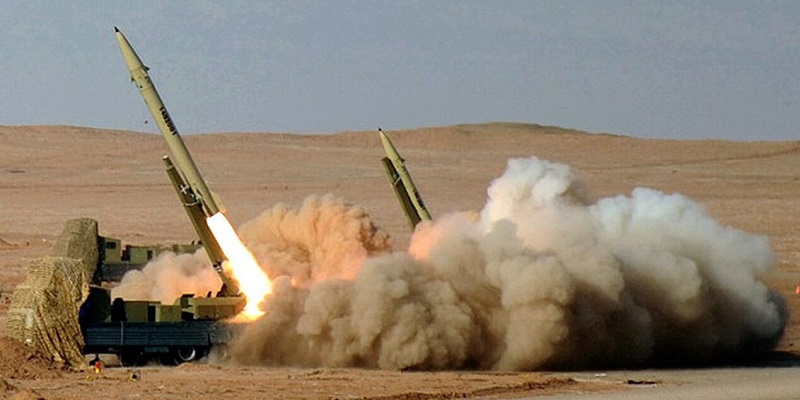
TDThe United Arab Emirates Ministry of Defence has confirmed that its air defence systems intercepted a wave of aerial threats launched from Iran on May 4, 2026, amid intensifying regional hostilities.
In a statement, the ministry disclosed that a total of 12 ballistic missiles, three cruise missiles, and four unmanned aerial vehicles (UAVs) were detected and successfully engaged before reaching their intended targets.
The incident reportedly resulted in three moderate injuries, with no immediate large-scale destruction announced.
According to the official briefing, the latest interception forms part of a broader pattern of attacks targeting the Gulf nation.
Since the escalation began, UAE air defence systems have reportedly intercepted 549 ballistic missiles, 29 cruise missiles, and 2,260 UAVs launched from Iranian territory.
Rising Casualties Across Nationalities
Authorities confirmed that the cumulative impact of the attacks has led to 227 injuries involving individuals from a wide range of nationalities.

Those affected include citizens and residents from the UAE as well as expatriates from Egypt, Sudan, Ethiopia, the Philippines, Pakistan, Iran, India, Bangladesh, Sri Lanka, Azerbaijan, Yemen, Uganda, Eritrea, Lebanon, Afghanistan, Bahrain, Comoros, Turkey, Iraq, Nepal, Nigeria, Oman, Jordan, Palestine, Ghana, Indonesia, Sweden, Tunisia, Morocco, and Russia.
The ministry further reported that the total number of fatalities classified as “martyrs” has reached three, including a Moroccan civilian contractor working with the armed forces.
In addition, civilian deaths have risen to 10, with victims identified as nationals of Pakistan, Nepal, Bangladesh, Palestine, India, and Egypt.
Defence Readiness and Strategic Posture
In its statement, the ministry emphasized that the UAE remains on high alert and fully prepared to respond to any future threats.
It reaffirmed its commitment to safeguarding national sovereignty, infrastructure, and civilian lives.
“The Armed Forces are ready to firmly confront any attempts to undermine the country’s security and stability,” the statement said.

The statement underscored ongoing efforts to protect critical assets and maintain operational readiness.
Military analysts note that the scale of intercepted projectiles suggests a sustained and coordinated campaign, placing considerable pressure on regional defence systems.
However, the UAE’s ability to neutralize incoming threats highlights the sophistication of its air defence network.
Broader Regional Implications
The escalation between Iran and the UAE marks a significant development in Middle Eastern security dynamics. While tensions between Tehran and Gulf states have fluctuated over the years, the reported volume and frequency of these attacks indicate a sharp intensification.
Observers warn that continued hostilities could disrupt regional stability, particularly given the UAE’s role as a major economic and logistics hub.
Any prolonged conflict risks impacting global energy markets, trade routes, and international investment flows.

International Concern
Although no immediate international response was detailed in the ministry’s statement, such incidents typically draw attention from global powers and multilateral organizations concerned about the risk of wider conflict.
Calls for de-escalation are likely to intensify if attacks persist.
For now, the UAE government maintains that its defensive posture remains robust and capable of addressing ongoing threats.
The situation, however, remains fluid, with regional and international stakeholders closely monitoring developments.
As tensions continue to rise, the focus will remain on whether diplomatic channels can ease the situation or whether further escalation will shape the next phase of the crisis.