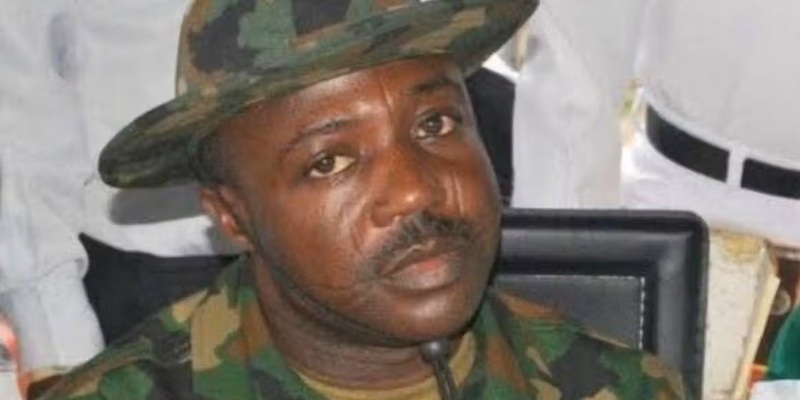
Abuja, Nigeria — Colonel Mohammed Ma’aji, the Nigerian Army officer accused of masterminding an alleged coup attempt against President Bola Tinubu’s administration, has offered a striking defense of his actions.
Colonel Ma’aji insisted that his motivations were rooted in patriotism and concern for Nigeria’s survival rather than personal ambition.
In his testimony, Ma’aji painted a grim picture of a nation on the brink, citing economic collapse and poor and governance.
He also cited the deteriorating welfare of both civilians and military personnel as the driving forces behind his controversial move.
“What has happened has a very long history, and it is driven by patriotism and love for the country,” he said, warning that Nigeria was “almost at the point of collapse.”

Ma’aji described his personal struggles as emblematic of the wider crisis.
He revealed that despite his rank, he found it increasingly difficult to provide for his five children on his modest salary.
Once-proud institutions such as Army Day Secondary School, he lamented, had become unaffordable for officers’ families.
Plight of Wounded Soldiers
He also drew attention to the plight of wounded soldiers at the 44 Nigerian Army Reference Hospital in Kaduna, alleging that many were left without adequate medical care.
These realities, he argued, underscored the neglect of the armed forces and the broader decay of governance.
“Every time I look at how I’m struggling to raise five children with my meager salary, I get worried,” he explained.

He added that the suffering of soldiers injured in combat was a national disgrace.
The colonel admitted that he had begun mobilizing fellow officers who shared his concerns.
He, however, insisted the plan was still in its formative stages when security agencies intervened.
Contributors to the Struggle
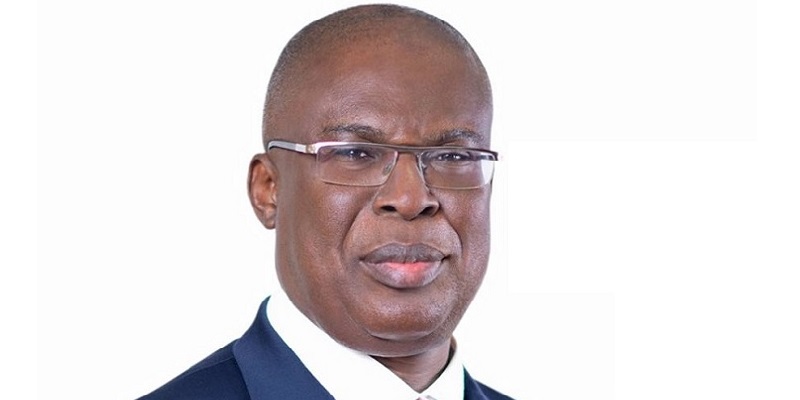
He claimed to have personally financed much of the effort, while alleging that former minister Timipre Silva contributed about ₦400 million.
Ma’aji denied any foreign involvement and emphasized that no date had been set for the operation.
He argued that widespread dissatisfaction among soldiers, coupled with his own stalled promotion prospects, had fueled the movement.

“Nigeria was turning into a banana republic right before our eyes,” he said.
He added that the military era had offered more stability than the current democratic dispensation.
Ma’aji Offers Way Forward for Nigeria
Beyond defending his actions, Ma’aji offered a series of recommendations aimed at reforming the armed forces and governance.
He called for improved remuneration, pension benefits, housing, and education for soldiers, alongside stronger measures to tackle corruption.
He criticized the government’s abrupt removal of fuel subsidies.
Ma’aji argued that such policies should have been phased out gradually to cushion the impact on ordinary Nigerians.
Appealing for leniency, he insisted that the alleged coup was never intended to destabilize the nation but to force a reckoning with its leadership failures.
“Everything we planned was born out of patriotism, love of country, and the desire to have a prosperous Nigeria that we all can be proud of,” he said.
Throwback
The alleged coup plot, uncovered in September 2025, sent shockwaves through Nigeria’s political and military establishment.
It prompted the cancellation of the October 1 Independence Day parade.
It also triggered a shake-up in the military hierarchy, including the removal of then Chief of Army Staff Christopher Musa.
Ma’aji’s defense has sparked debate about whether his actions were treasonous or a desperate cry for reform.
Meanwhile, the episode has reignited questions about governance, military welfare, and the fragile state of Nigeria’s democracy.