



TDIran’s government has signalled that it is ready to defend the country amid heightened tensions with the United States as a major U.S. naval and military deployment moves into the Middle East.
Iranian authorities, including military leaders and senior diplomats, have portrayed the situation as one of defensive readiness rather than diplomatic engagement.
Officials stated that Iran’s priority is to prepare to protect its territory, and Tehran has emphasised the strength and vigilance of its armed forces.
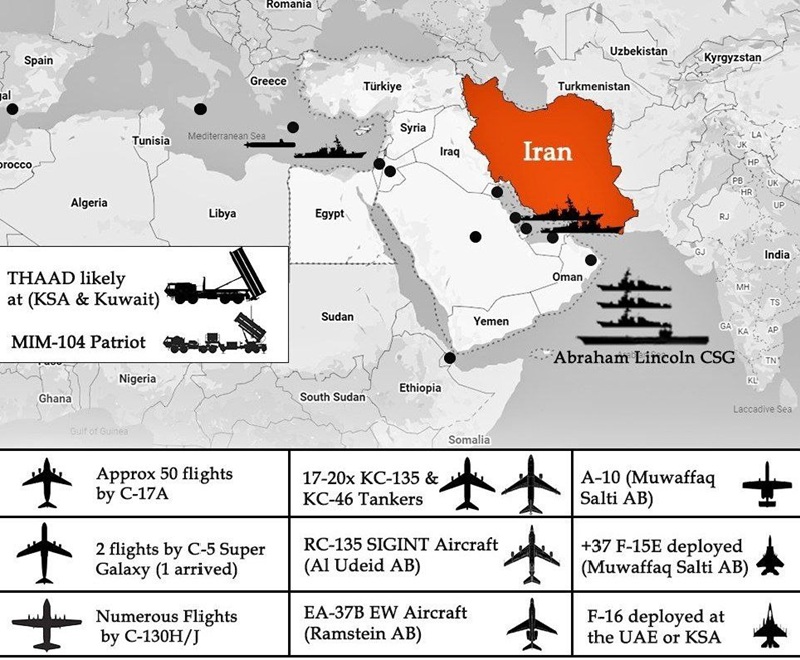
U.S. Military Build-Up
The United States has moved multiple military assets into the region, a deployment that U.S. President Donald Trump has publicly described as a “big armada” positioned near Iranian waters.
The force is centred around the USS Abraham Lincoln aircraft carrier strike group and includes warships and combat aircraft.
U.S. military officials say the deployment is intended to deter aggression and protect American forces and partners in the region, even as rhetoric between Washington and Tehran grows increasingly stark.

Iranian Response
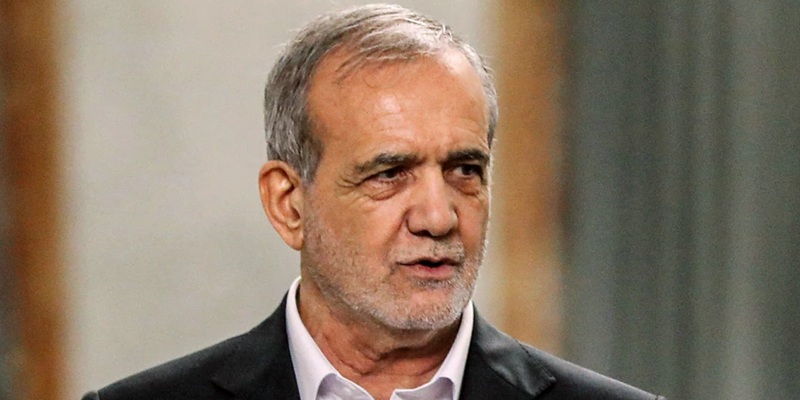
Iran’s top foreign official, Abbas Araghchi, reiterated that the nation is ready to respond forcefully to any military action.
Araghchi said that any attack on Iranian territory would trigger serious repercussions.
Iran has placed its military on high alert and warned that retaliation would not be limited if the U.S. strikes.
However, Araghchi also stated that Iran is open to resuming talks with the United States.
He, however, wants negotiations to be conducted fairly and without preconditions on Iran’s defence capabilities such as its missile program.
These comments came during talks in Istanbul with Turkish officials, who are among regional actors trying to avert war.

Diplomatic Efforts and Regional Dynamics
While tensions have spiked, several regional governments and foreign diplomats are engaging in efforts to reduce the risk of conflict.
Talks in places like Turkey are aimed at opening channels between Tehran and Washington.
However, Iranian officials have insisted that negotiations under military pressure are not acceptable, stating that diplomacy through threats is neither effective nor credible.
Broader Context
The backdrop to this standoff includes:
- Heightened rhetoric from both sides, with Tehran warning of rapid retaliation and Washington warning of possible strikes unless diplomatic conditions are met.
- Regional concerns that any conflict could draw in allied forces or destabilise critical shipping routes like the Strait of Hormuz.
- Domestic stress in Iran, where news of the military build-up and potential conflict has caused anxiety among civilians already affected by recent unrest and communications disruptions.
What’s Next
Analysts warn that while neither side has yet initiated combat operations, the risk of a rapid escalation remains high.
Any incident — intentional or accidental — involving U.S. forces near Iranian territory could trigger major military responses from Tehran.

Regional and global diplomatic efforts are currently focused on reducing miscalculations that could lead to open conflict.