



TDAn African Democratic Congress (ADC) group under the auspices of the ADC coalition mobilization wing, has sounded a powerful alarm over what it described as dangerous flaws embedded in Nigeria’s Electoral Act.
At the center of the controversy are Sections 63, 137, and 138 of the Electoral Act, which critics argue could sabotage voting integrity at the polling level and undermine confidence in the 2027 general elections.
The ADC coalition group warned that unless urgent amendments are carried out, the credibility of the 2027 general elections will be fundamentally undermined.
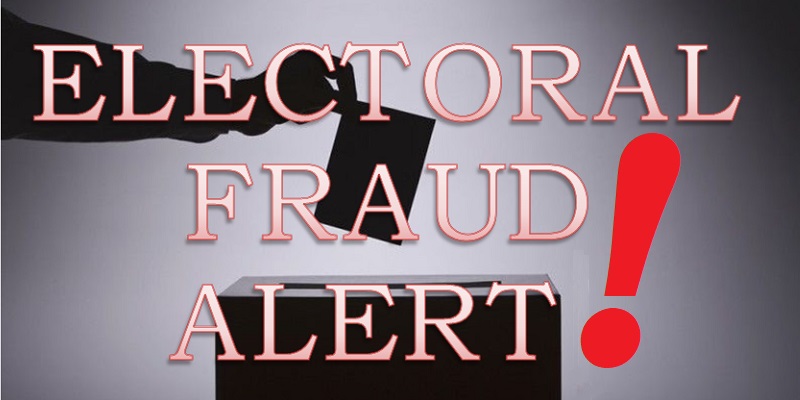
In a strongly worded statement titled “Nigeria Electoral Act Fraud Alert”, the ADC Group declared:
“All Opposition parties MUST call for the amendment of this shame on the electoral act or no election in 2027.”
The group insisted that the current legal framework contains provisions that weaken electoral integrity, embolden malpractice, and erode public trust in the democratic process.
The Controversial Provisions
The ADC specifically highlighted sections of the Act that, in their view, compromise transparency and accountability:

-
Section 63: Allows ballot papers without official marks to be counted under certain conditions, raising fears of manipulation and ballot stuffing.
-
Section 137: States that electoral officers need not be joined in petitions, effectively shielding them from direct accountability when misconduct is alleged.
-
Section 138(2): Declares that acts or omissions contrary to directives of the Commission, but not contrary to the Act itself, cannot be grounds for questioning an election.
Critics argue this provision creates loopholes that protect irregularities from judicial scrutiny.
According to the ADC, these clauses amount to “legalized fraud” and represent a betrayal of Nigeria’s democratic aspirations.
Call for Opposition Unity
The ADC urged all opposition parties to close ranks and demand immediate reforms, warning that failure to act would “mortgage Nigeria’s democracy.”
The group emphasized that flawed laws could be exploited to manipulate outcomes, silence the electorate, and entrench political patronage.
The ADC group cautioned: “Nigeria stands at a critical juncture.
“If we fail to purge the Electoral Act of its shameful provisions, we risk sliding into a future where elections are mere rituals without legitimacy.”

Wider Mobilization
Beyond political parties, the ADC called on civil society organizations, professional bodies, and religious leaders to join the campaign for reform.
They stressed that electoral credibility is the bedrock of national stability.
They added that silence in the face of these flaws would amount to complicity.
Demand on the National Assembly
The statement concluded with a direct appeal to the National Assembly to prioritize amendments to the Act before the next election cycle.
The ADC warned that if reforms are not enacted, opposition parties and the Nigerian electorate may reject the 2027 polls outright.
That, it said, may plunge the nation into political crisis.

The ADC urgently demanded for reform and highlights the specific provisions of the Electoral Act that have come under fire.
It noted that the issue is not just a partisan concern, but as a national emergency that could determine the legitimacy of Nigeria’s democratic future.