


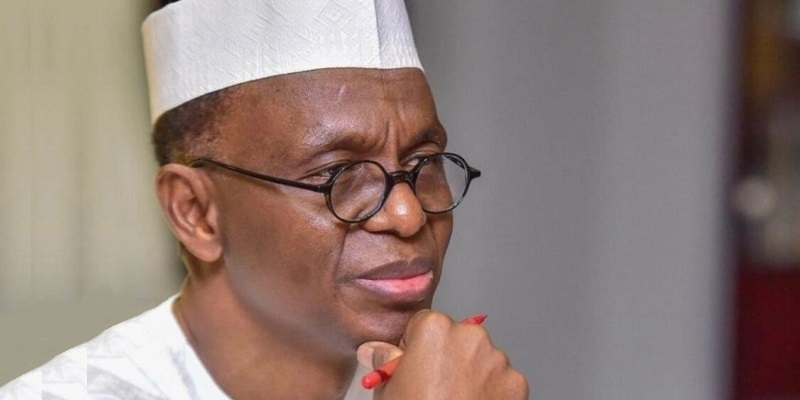

The Kaduna State High Court has denied bail to former governor, Nasir El-Rufai, ordering that he remain in detention until June.
The ruling, delivered by Justice Darius Khobo, cited concerns that El-Rufai’s political stature could enable him to interfere with ongoing investigations into allegations of financial impropriety.
Justice Khobo described the charges of fraud and money laundering against the former governor as “weighty enough to justify continued detention.”
He argued that El-Rufai’s influence as a former governor and minister posed a risk to the integrity of the investigation.
This decision comes despite an earlier ruling by the Federal High Court in Kaduna, which had granted El-Rufai bail under strict conditions, pending their fulfilment.

The conflicting rulings highlight the complexity of Nigeria’s judicial system, where different courts often interpret bail applications differently.
Such interpretations depend on the perceived gravity of charges and the defendant’s profile.
Defence Reaction
Counsel to the former governor, Ubong Akpan, expressed disagreement with the ruling but acknowledged the court’s reasoning.
He confirmed that El-Rufai’s legal team would immediately challenge the decision by filing the necessary papers.
The defence maintains that the case is politically motivated.
Akpan described the proceedings as “an extension of a political agenda” aimed at weakening El-Rufai’s influence.

Akpan argued that the denial of bail sets a dangerous precedent.
It suggests that political opponents could be detained indefinitely under the guise of protecting investigations.
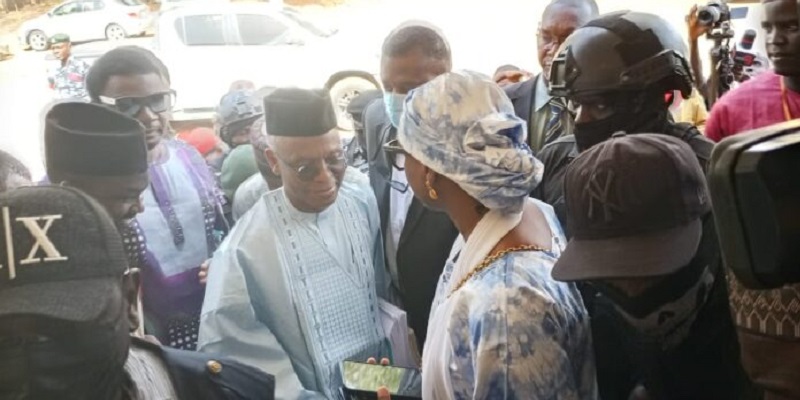
Chidi Odinkalu Rejects Ruling, Warns of Dangerous Precedent
The ruling has sparked intense debate across Nigeria’s legal and political circles.
Prominent lawyer and activist Chidi Anselm Odinkalu reacted strongly on X (formerly Twitter), denouncing the decision as unjust:
“The charges are clearly bailable.
“The judge reportedly claims that with his status as a former governor or minister, El-Rufai could interfere with investigation.
“That is a new low.
“If this were to be the law, Nigeria’s prisons will be full of former governors, ex-ministers, and extinguished senators on pre-trial detention.”
Odinkalu noted the irony of El-Rufai facing what he described as “kangaroo justice”.
He recalled that as governor, El-Rufai himself was accused of weaponizing the judiciary against critics.

“Many people will gloat that he is getting a dose of his own medicine,” Odinkalu wrote.
He, however, insisted that the current ruling is neither law nor justice.
Other commentators echoed similar sentiments, warning that the judiciary risks being seen as an extension of political battles rather than an impartial arbiter.
Civil society groups have begun mobilizing to monitor the case, arguing that transparency is essential to prevent abuse of judicial discretion.
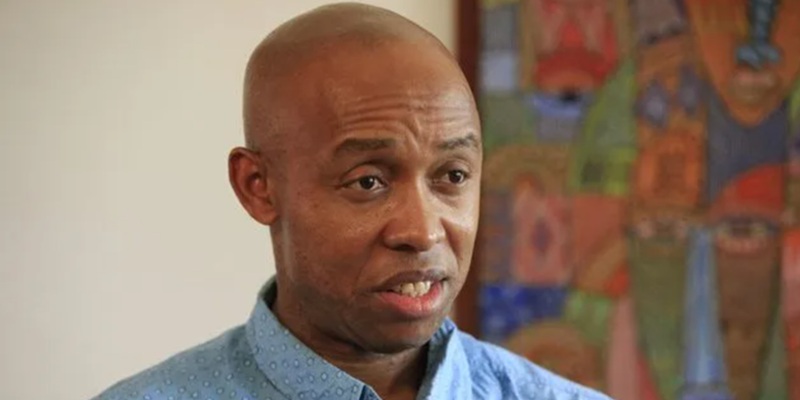
Political Implications
The case against El-Rufai has reignited debates about Nigeria’s judicial independence and the politicization of corruption trials.
Analysts argue that while the allegations of fraud and money laundering are serious, denying bail to a high-profile defendant raises questions about consistency in the application of justice.
Nigeria has a long history of prosecuting former governors and ministers for corruption.
Critics, however, often point out that such trials are selective, targeting political opponents while shielding allies.
El-Rufai’s detention is seen by some as part of this pattern, particularly given his complicated relationship with ruling party factions.
Supporters of the ruling argue that El-Rufai’s influence makes him a unique risk to ongoing investigations.
They contend that allowing him bail could enable him to tamper with witnesses or obstruct justice, given his extensive political and business networks.
Opponents, however, warn that selective enforcement could erode public trust in the judiciary.
They argue that if bail is denied based on political stature, then many former governors and ministers should also be detained under similar circumstances.
El-Rufai’s Political Legacy
El-Rufai, who served as governor of Kaduna State from 2015 to 2023, is a polarizing figure in Nigerian politics.
Known for his combative style and reformist rhetoric, he has often clashed with political opponents and civil society groups.
During his tenure, El-Rufai was accused of using state institutions to silence critics, including journalists and opposition figures.
His administration faced allegations of human rights abuses, particularly in handling communal conflicts in Southern Kaduna.
Yet El-Rufai also cultivated a reputation as a technocrat, credited with reforms in urban planning and education.
His supporters argue that his prosecution is politically motivated, aimed at sidelining him from national politics ahead of the 2027 elections.
Broader Context of Corruption Trials
Nigeria’s anti-corruption drive has often been criticized for inconsistency.
While some former governors have faced lengthy trials, others have evaded justice through political connections or plea bargains.
The Economic and Financial Crimes Commission (EFCC) has prosecuted several high-profile figures, but convictions remain rare.
El-Rufai’s case is being closely watched as a test of whether Nigeria’s judiciary can handle politically sensitive corruption trials without bias.
Observers note that the denial of bail could set a precedent for future cases, potentially reshaping how courts handle politically exposed persons accused of financial crimes.
El-Rufai’s legal team is expected to file an appeal challenging the High Court’s decision.
Meanwhile, the former governor will remain in detention until June, when the case is scheduled for further hearings.
As the controversy unfolds, the case is likely to test Nigeria’s judicial system and deepen political divisions ahead of the 2027 elections.
For many Nigerians, the outcome will signal whether the judiciary can rise above political pressures or whether corruption trials will continue to be seen as tools of partisan warfare.