



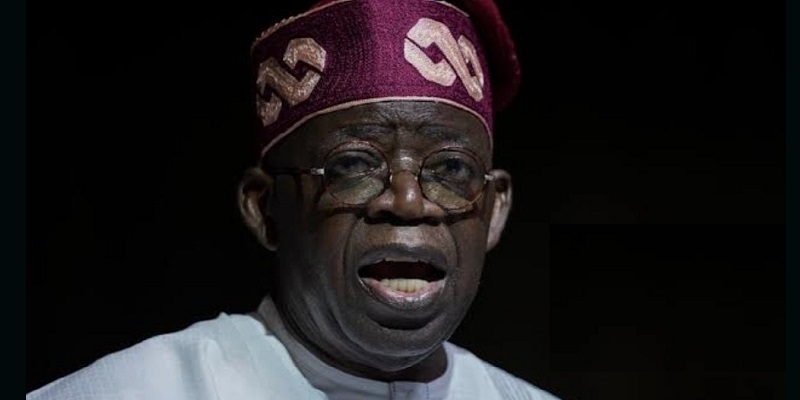

TDNigeria is facing an escalating security crisis under President Bola Ahmed Tinubu, with reports estimating that an average of 75 Nigerians—both Christians and Muslims—are murdered or kidnapped by terrorists every day.
The staggering figure underscores the scale of violence that continues to plague communities across the country, particularly in the North-East and North-Central regions.
Daily Toll of Violence
The latest incident occurred during an evening church service, where terrorists killed three worshippers and abducted 15 others.
This attack adds to a growing list of tragedies that have left families shattered and communities living in fear.
Beyond isolated attacks, mass abductions have become a recurring nightmare.
On March 3, 2026, more than 416 women and children were kidnapped from Ngoshe community in Gwoza Local Government Area of Borno State.

Many of the victims are infants between three and six months old, now languishing in captivity deep inside the Sambisa forest.
Reports indicate they have been exposed to starvation, cold, and mosquito bites for over 80 days.
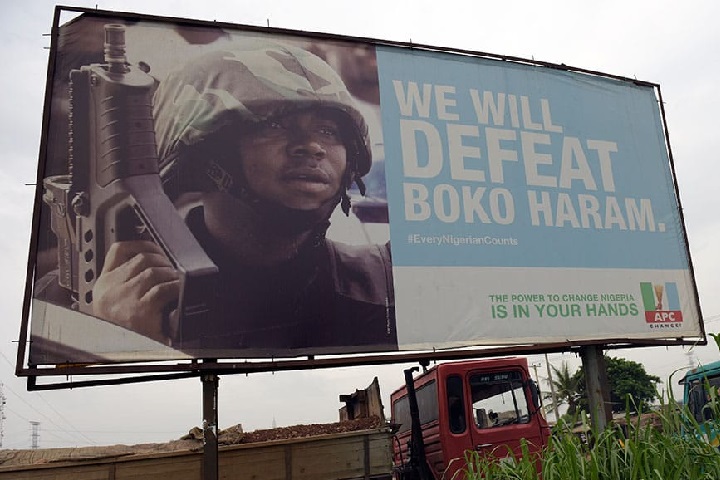
On May 15, 2026, Boko Haram terrorists abducted 50 schoolchildren from Mussa Primary and Junior Secondary School in Askira-Uba LGA, also in Borno State.
The children, some as young as two years old, were taken in their school uniforms and remain in dire conditions in the forest.
That same day, in Oriire LGA, Oyo State, terrorists kidnapped 39 schoolchildren and six teachers from multiple schools.
The simultaneous attacks highlight the expanding reach of terrorist groups beyond the North-East, raising alarm about the vulnerability of schools nationwide.

Allegations Against the Presidency
While Nigerians endure these horrors, reports claim that President Tinubu’s proxies have been telling stakeholders in Washington, D.C. that he intends to ban Sharia law if reelected.
At the same time, allegations have surfaced that military leaders have been instructed to conceal reports of Christian deaths until after the upcoming presidential election.
Critics argue that the administration is more focused on political maneuvering than addressing the worsening insecurity.
“President Tinubu does not care about Christians, nor does he care about Muslims. He cares about power,” one advocacy group stated.
It accused the government of misleading both Nigerians and international partners.
International Dimension
The crisis has drawn international attention, with U.S. President Donald Trump reportedly ordering airstrikes against terrorist hideouts.

However, analysts caution that such interventions are insufficient to end the killings.
Terrorist groups, they argue, remain deeply entrenched and adaptive, exploiting Nigeria’s weak security infrastructure and political divisions.
Observers warn that unless Nigeria strengthens its internal capacity to combat terrorism, external military support will only provide temporary relief.
Election Integrity and Governance
As the 2027 general elections approach, voices within civil society are calling for greater emphasis on election integrity.
They argue that only a government genuinely committed to ending terrorism and uniting Christians and Muslims can reverse the tide of violence.
“Only Nigerians can save Nigeria,” one advocacy statement declared.
It urged U.S. lawmakers to support reforms that empower Nigerians to vote freely and fairly.
Humanitarian Crisis
The humanitarian toll is devastating. Hundreds of women, children, and teachers remain in captivity, enduring hunger, disease, and exposure to harsh conditions.
Families across Borno and Oyo States are desperate for answers, while communities live under constant threat of attack.
The plight of infants kidnapped from Ngoshe—some barely old enough to walk—has become a symbol of Nigeria’s failure to protect its most vulnerable citizens.
Nigeria’s security crisis is not only a national emergency but also a moral test of leadership.
With an average of 75 Nigerians murdered or kidnapped daily, the country faces one of the gravest challenges in its history.
As political campaigns intensify ahead of the 2027 elections, the question remains whether Nigeria’s leaders will prioritize the safety of citizens over political survival.
Until then, ordinary Nigerians—Christians and Muslims alike—continue to pay the ultimate price.