TD Lagos, Nigeria — The release of the 2026 West African Senior School Certificate Examination (WASSCE) results has been overshadowed by controversy, following allegations of a major glitch affecting candidates who sat for the Computer-Based Test (CBT) format.
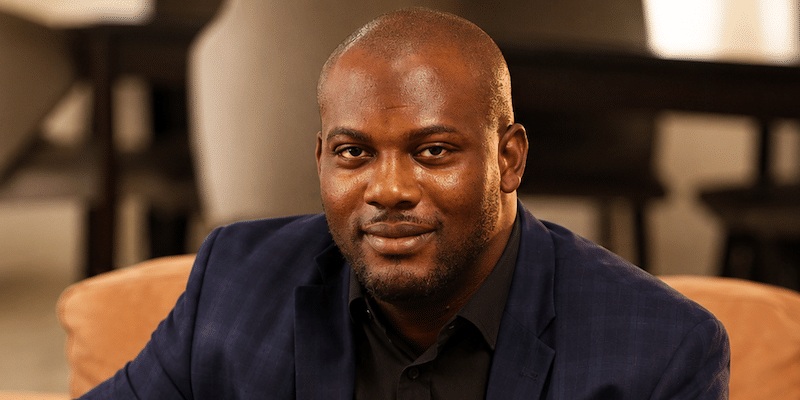
Alex Onyia, CEO of the education technology firm, Educare, took to social media to raise alarm over what he described as a “disastrous glitch” in the results.
The claims raised by Onyia have ignited widespread concern among parents, students, and education stakeholders, particularly over the integrity of the CBT format introduced this year.
Onyia’s Allegation
Onyia argued that candidates who sat for the CBT version of the exam were disproportionately affected, with anomalies in their scores raising questions about fairness and accuracy.
“WAEC (West African Examination Council), you can’t toy with our children’s destinies. We will not allow it.
“The results need to be withdrawn immediately and fixed, or we will challenge you in court,” Onyia wrote.
His post quickly gained traction, sparking heated debates online and offline.

Many parents echoed his concerns, citing inconsistencies in their children’s results compared to prior performance records.
WAEC’s Release and Initial Challenges
WAEC officially released the 2026 WASSCE results between August 5 and 6.
It, however, announced that 167,486 candidates — representing 8.59% of the total — had their results withheld due to alleged malpractice.
The Council also noted that some candidates’ results remained “in processing.”
The rollout was marred by technical difficulties, as the result-checking portal initially faced access errors.

Though WAEC later resolved the glitches, the episode added to public frustration and fueled suspicions about the reliability of the CBT system.
CBT Transition Under Scrutiny
This year marked WAEC’s first large-scale deployment of CBT for WASSCE candidates.
The move was intended to modernize the examination process and curb malpractice.
However, Onyia’s allegations highlight the risks of transitioning to digital platforms without adequate safeguards.
Observers point to parallels with the Joint Admissions and Matriculation Board (JAMB).

JAMB has faced repeated controversies over its CBT-based Unified Tertiary Matriculation Examination (UTME).
Lessons from JAMB’s 2025 Crisis
The most notable precedent was the 2025 UTME glitch crisis, when nearly 380,000 candidates across Lagos and the South-East zones were affected by a software patch error.
The incident led to widespread outrage, petitions, and even tragic consequences, including the suicide of 19-year-old Faith Opesusi in Lagos.
Opesusi’s unexpectedly low score dashed her university hopes, forcing her to take her life.
JAMB’s Registrar, Prof. Ishaq Oloyede, admitted responsibility, apologized publicly, and offered free re-sits for affected candidates.
The crisis underscored vulnerabilities in Nigeria’s CBT infrastructure, from server patching to pre-release auditing.
Onyia, who played a key role in mobilizing public pressure during that episode, is now drawing direct comparisons between WAEC’s current situation and JAMB’s past failures.
Broader Implications for Education Integrity
The recurring disputes across Nigeria’s examination bodies reveal systemic challenges:
- Technical reliability: Power outages, server mismatches, and hardware failures continue to plague CBT centres.
- Transparency: Limited access to scripts or response data fuels suspicion of manipulation.
- Equity: Regional disparities in technical failures raise concerns about fairness.
- Emotional toll: High-stakes exams directly impact admissions, careers, and family finances, with errors leading to severe psychological distress.
Stakeholders argue that WAEC must adopt stronger safeguards, including independent audits, rigorous pre-deployment testing, and clearer communication channels.
Public Reaction and Next Steps
Parents and students are demanding immediate clarification from WAEC, with some calling for a full withdrawal of the results pending review.
Civil society groups have urged the Council to engage independent experts to verify the integrity of the CBT system.
Onyia’s threat of legal action adds pressure on WAEC to act swiftly.
If pursued, the case could set a precedent for judicial oversight of examination bodies, potentially reshaping accountability frameworks in Nigeria’s education sector.
The controversy surrounding the 2026 WASSCE results underscores the fragile balance between modernization and reliability in Nigeria’s education system.
As Onyia’s campaign gains momentum, WAEC faces a critical test of credibility.
Whether through withdrawal, correction, or legal adjudication, the Council’s response will determine the fate of thousands of candidates.
It will also determine public trust in its ability to safeguard the integrity of one of West Africa’s most important examinations.