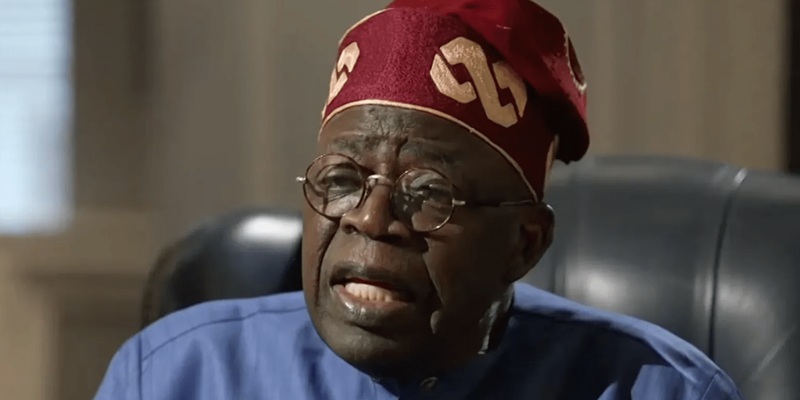
TD Abuja, Nigeria – A resurfaced video of President Bola Ahmed Tinubu promising to pay West African Examinations Council (WAEC) fees for every Nigerian child has sparked outrage following the Federal Government’s recent decision to increase examination fees by 87%, from ₦27,500 to ₦50,000, effective 2027.

In the 2022 campaign video, Tinubu declared:
“Your children’s West Africa examination fee is paid by us. So that no one, no matter how you go, is left behind.
“The symbol of Apartheid is broken. The symbol of my cap is breaking shackles.
“You break the shackles of poverty. You break the shackles of ignorance.”
The promise was widely interpreted as a commitment to ease the financial burden on families by covering WAEC fees.
However, four years later, the government’s approval of a sharp hike in fees has left many Nigerians feeling betrayed.
The Policy Shift
On June 18, 2026, the Federal Ministry of Education announced the new ₦50,000 fee, citing rising costs and the need for WAEC and NECO to adopt a uniform rate.
The decision followed a request by WAEC for an upward review and a meeting with the Minister of Education earlier in the year.
The increase represents an 82–87% jump, depending on the calculation.
It has been criticized as a heavy burden on families already struggling with inflation and economic hardship.
Broken Promises, Public Outrage, and Growing Disillusionment Among Nigerians
The video has sparked widespread debate online.
It juxtaposes a campaign promise made in 2022—“I will pay WAEC fees for every child”—with the current reality.
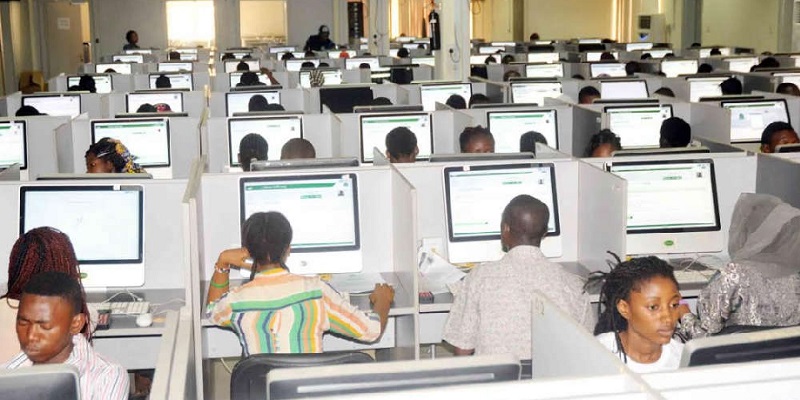
Parents are expected to pay ₦50,000 per candidate for WAEC and NECO examinations beginning in 2027.
Accompanied by the caption “From promise to burden,” the video has resonated with many Nigerians frustrated by the country’s economic challenges.
It shows campaign footage of the candidate, dressed in traditional attire, assuring supporters during a political meeting.
For many viewers, the clip has become a reminder of campaign pledges they believe have not been fulfilled.
Public Reactions
Responses to the post reflect widespread disappointment, anger, and growing distrust.
- @SatoTosin echoed the sentiment with the comment: “From promise to burden.”
- @EbereMedia1991 criticized what they described as unequal scrutiny of political figures, arguing that opposition candidates often face tougher questioning over campaign promises.
- @BlossomClaris expressed deep skepticism about the administration, while several other users accused the government of failing to deliver on its commitments.
- @anthonyobikwel1 described the administration as a failure, saying many of its promises remain unfulfilled.
- @Makafor warned Nigerians against placing trust in political promises.
- @haaffes questioned the accountability surrounding the increase in examination fees.
- @Ubonng lamented what they perceived as a culture of broken promises among political leaders.
- @iam_pepesneh suggested that the campaign pledge had been forgotten after the election.
Many other comments described the situation as another example of unfulfilled promises by politicians.
They expressed concern over the widening gap between campaign rhetoric and government policy.
Broader Context and Conclusion
The proposed increase in WAEC and NECO examination fees—from about ₦27,000–₦30,000 to ₦50,000 per candidate—comes amid persistent inflation and rising living costs.
Critics, including former Vice President Atiku Abubakar, have argued that the higher fees could worsen Nigeria’s out-of-school children crisis.
For many Nigerians, the controversy has become symbolic of a broader pattern.
In such patterns, campaign promises are followed by policies that impose additional financial burdens on citizens.
The strong online reaction highlights growing public frustration and declining confidence in the country’s political leadership.
Many users are saying the promise of “renewed hope” has instead translated into renewed hardship.
The controversy underscores the widening gap between political promises and governance realities.
Tinubu’s 2022 vow to “break the shackles of poverty and ignorance” by paying WAEC fees now stands in stark contrast to the 2026 directive requiring families to pay ₦50,000 per child.
For many Nigerians, the issue is not just about examination fees—it is about trust, accountability, and the credibility of leadership.