TD Abuja, FCT — The decision of the Economic and Financial Crimes Commission (EFCC) to freeze the bank accounts of the Osun State Government has sparked a storm of criticism from political leaders, legal experts, and civil society voices.
With the Osun gubernatorial election just days away, the move has been widely condemned as unconstitutional, politically motivated, and damaging to Nigeria’s democratic institutions.
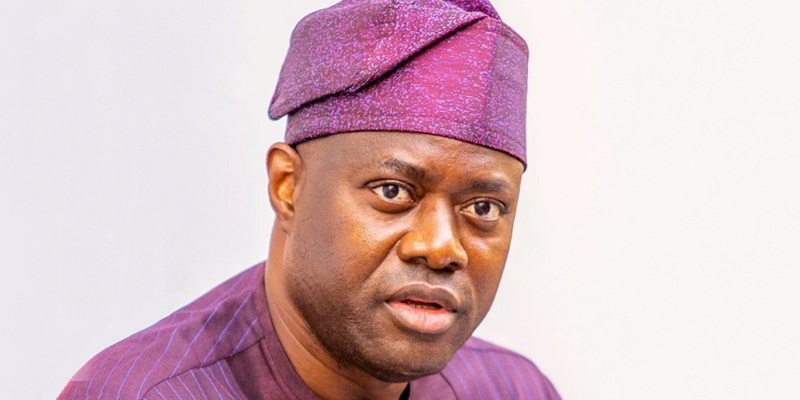
Makinde: “Selective Witch Hunt Erodes Public Trust”
Oyo State Governor Seyi Makinde described the EFCC’s action as a dangerous precedent that undermines governance in opposition-controlled states.
In a statement, he argued that while no government is above scrutiny, the selective application of investigative powers erodes public trust.
Makinde wrote: “The increasing use of federal institutions to disrupt governance in opposition states in Nigeria is condemnable.
“The freezing of an official state government account without due legal process goes beyond the powers vested in the EFCC by the laws of our land.
The timing of the action suggests this is just another attempt by the federal government to unduly influence the forthcoming governorship election in Osun State.”

Makinde urged Nigerians, civil society organisations, and the international community to remain vigilant.
He warned that democracy cannot thrive if institutions are perceived as instruments of political intimidation.
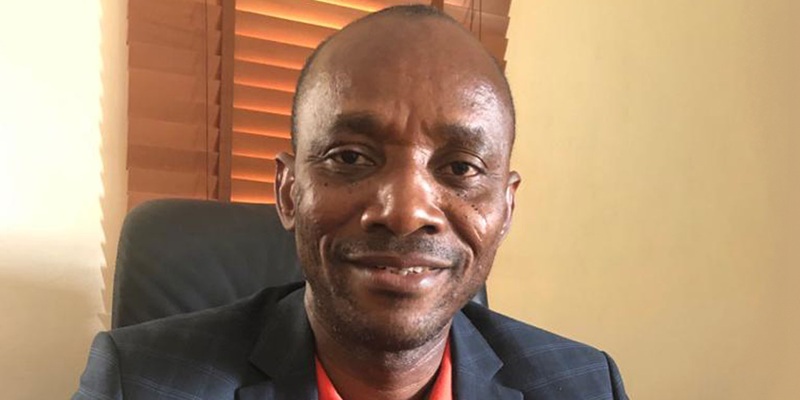
Amadi: “EFCC Chair Failed Integrity Test”
Sam Amadi, former Chairman of the Nigerian Electricity Regulatory Commission (NERC), expressed disappointment in the EFCC leadership.
He accused the Commission of bowing to political pressure.
“The EFCC Chair has failed the first major test of integrity and courage.

“His current action is political. It is aimed at helping the APC win a vital election,” Amadi said.
He argued that freezing Osun’s accounts just ten days before the election amounted to “financial castration” of the state government, effectively revoking constitutional immunity.
Amadi contrasted the EFCC’s aggressive stance in Osun with its silence on alleged financial misconduct in other states, such as Kogi under Yahaya Bello.
According to him, it suggests selective enforcement aligned with ruling party interests.
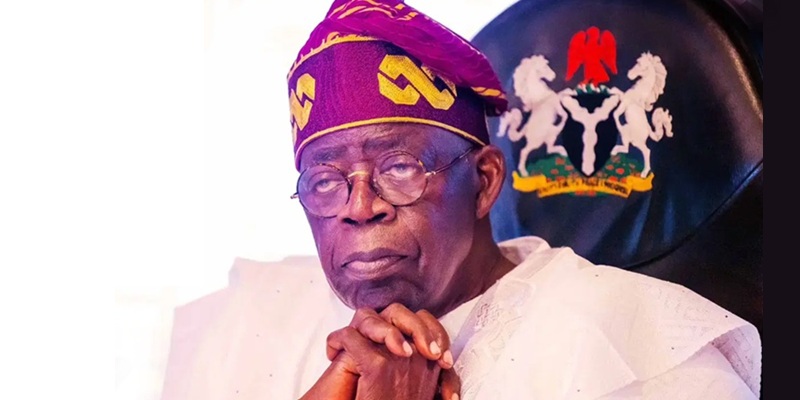
Wakili: “Tinubu Acts with Impunity”
Mal. Imran U. Wakili went further, framing the EFCC’s move as part of a broader pattern of executive overreach under President Bola Ahmed Tinubu.

He accused the President of repeatedly violating constitutional norms.
He cited the suspension of a sitting governor and the prolonged detention of former Kaduna State Governor Nasir El-Rufai.
“Bola Tinubu is now freezing the account of an entire state government, and there is nothing anybody can do about it, regardless of what the Constitution says,” Wakili declared.
He warned that unchecked executive power could eventually extend to altering election results or even pursuing a third presidential term, predicting that the legislature would acquiesce.
NBA President Faults EFCC
The Nigerian Bar Association (NBA) also weighed in, with its President, Mazi Afam Osigwe, SAN, describing the freeze as unconstitutional and an abuse of power.
He stressed that no agency has the authority to unilaterally freeze a state government’s accounts without a valid court order.
“If there is a need to freeze the account of a person or government, there is a need to provide a proper basis for it and get a proper order,” Osigwe said.
He warned that bypassing judicial oversight undermines due process and sets a dangerous precedent for Nigeria’s constitutional democracy.
EFCC Defends Action
In response, the EFCC issued a statement defending its decision.
It cited ongoing investigations into alleged mismanagement of ₦11 billion in Ecology Funds, Intervention Funds, and FAAC allocations.
The Commission claimed it observed suspicious transfers beginning August 2, 2026, prompting the freeze to prevent diversion of public funds.
“The Commission noticed huge transfers of funds into different corporate entities and had to swiftly halt the trend by freezing the accounts,” EFCC explained.
The agency rejected accusations of political bias, insisting its mandate is preventive and non-partisan.
It argued that protecting public resources cannot be suspended simply because an election is imminent.
Broader Implications
The controversy highlights a growing tension between Nigeria’s anti-corruption framework and constitutional safeguards.
The EFCC insists its intervention was necessary to protect public funds.
However, critics argue that the timing and manner of the freeze risk weaponizing federal institutions against opposition states.
With the Osun election looming, the debate underscores the fragility of Nigeria’s democratic institutions and the urgent need to balance accountability with respect for constitutional limits.