TDThe United States has escalated its diplomatic offensive against Iran, urging the United Nations to condemn Tehran’s actions in the Gulf and demand the removal of mines and the cessation of attacks on commercial vessels.
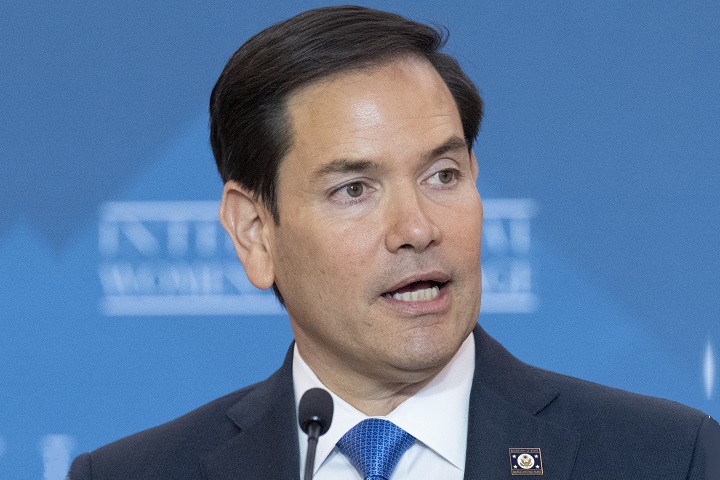
Speaking at the Department of State, Secretary Marco Rubio described Iran’s blockade of the Strait of Hormuz as “outrageous” and “criminal”.
Rubio accused Tehran of illegally seizing control of an international waterway and endangering global commerce.
“We’re asking the UN to call on Iran to stop blowing up ships, remove the mines, and allow humanitarian relief,” Rubio said.
“If the international community can’t rally behind this and solve something so straightforward, then I don’t know what the utility of the UN system is,” he added.
Rubio stressed that Washington is not seeking troop commitments from other nations.

Rather, he said all they want is a unified condemnation of Iran’s actions and support for humanitarian access.
He framed the crisis as a test of the UN’s credibility as a forum for resolving global conflicts peacefully.
The Bigger Picture
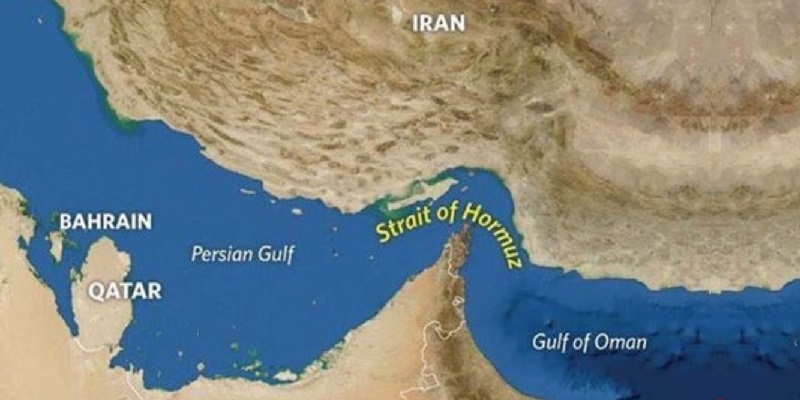
The Strait of Hormuz, through which nearly 20% of global oil supplies pass, has become the epicenter of the ongoing U.S.-Iran confrontation.
Iran has threatened shipping with mines, drones, and missiles, while the U.S. has mounted naval escorts and blockaded Iranian ports.
The humanitarian dimension is worsening, with aid shipments trapped and crews on stranded vessels reportedly starving and isolated.
Rubio underscored that the U.S. request to the UN is “modest” compared to the scale of the crisis.

Who Is Winning?
Washington insists it has achieved military objectives—destroying Iranian boats, drones, and missiles.
Meanwhile, Iran continues to project defiance, claiming to have turned back U.S. warships and expanded its control over Gulf waters.
The UAE and other regional states have suffered direct attacks, including strikes on oil infrastructure, underscoring Tehran’s ability to escalate at will.
In reality, Iran is winning the war of attrition despite U.S. firepower.
Tehran has kept the Strait effectively shut, disrupted global energy flows, and forced Washington to seek international backing.
The U.S. may dominate militarily, but Iran’s asymmetric tactics are dictating the pace of the conflict and testing the limits of diplomacy.

Summary
The battle for the Strait of Hormuz is no longer just about ships and missiles—it is about legitimacy.
If the UN fails to act, Iran will have demonstrated that it can defy international norms and cripple global trade without consequence.
For now, the war’s outcome tilts toward Tehran.
The gulf nation has leveraged disruption and defiance to outmaneuver Washington’s superior military force.