



The United Nations Human Rights Committee (CCPR) has issued a landmark ruling in support of Teymur Akhmedov, a Jehovah’s Witness from Kazakhstan.
The United Nations declared that his arrest and imprisonment in 2017 were unjust and violated his fundamental rights.
Background of the Case
In January 2017, Kazakh authorities arrested Akhmedov for discussing the Bible with others, charging him with “inciting religious discord.”
By May 2017, he was convicted and sentenced to five years in prison.
While serving his sentence, Akhmedov was diagnosed with colon cancer in early 2018.

In urgent need of medical treatment, he applied for a presidential pardon.
In April 2018, the president of Kazakhstan granted the pardon, allowing him to receive lifesaving care.
UN Committee’s Findings
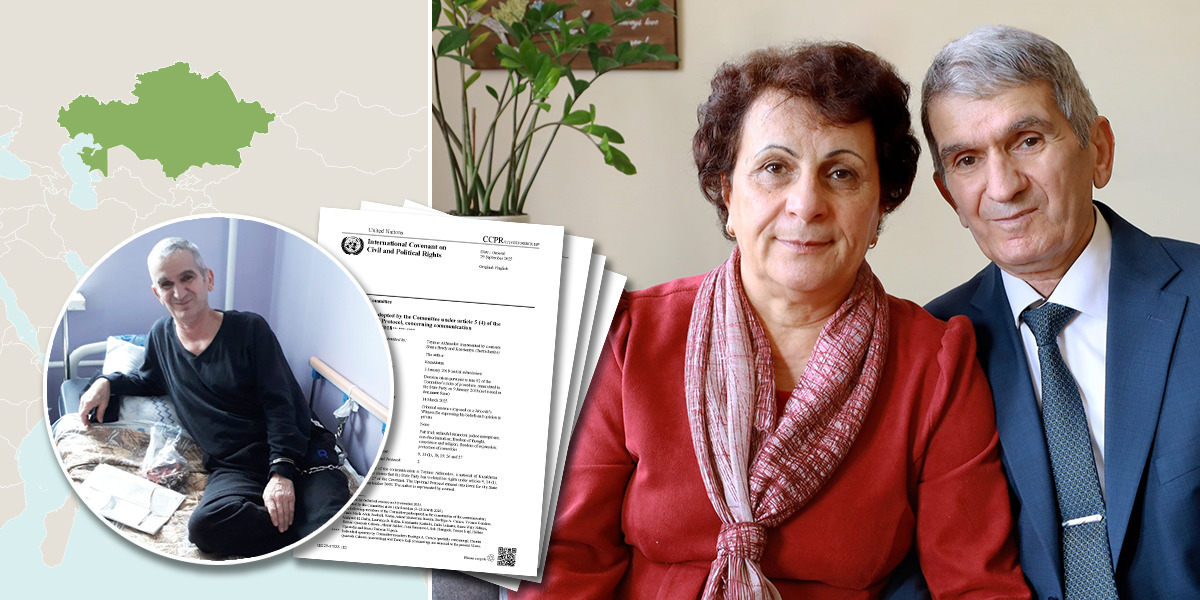
In its decision published in September 2025, the CCPR concluded that Kazakhstan violated Akhmedov’s rights by arresting, detaining, and convicting him solely for engaging in peaceful religious discussions.
The Committee stated that he was “punished merely for sharing his religious views and expressing his personal opinion.”
The ruling called on the Kazakh government to:
- Reconsider Akhmedov’s conviction
- Enact measures to prevent similar violations in the future
- Compensate him, including reimbursement of legal costs
Reaction from Akhmedov
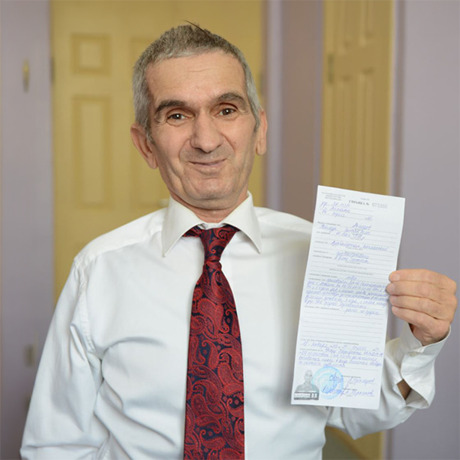
Following the decision, the 69-year-old expressed gratitude:

“I am grateful that the CCPR evaluated my case impartially.
This decision upholds freedom of conscience in Kazakhstan and affirms that Jehovah’s Witnesses are peaceful and law-abiding people.”
Jehovah’s Witnesses worldwide welcomed the ruling.
They described the judgment as a significant affirmation of religious freedom.
The decision is expected to set a precedent for protecting the rights of minority faith groups in Kazakhstan and beyond.
Broader Implications
Observers note that the ruling underscores the importance of international oversight in safeguarding human rights, particularly in contexts where religious minorities face discrimination or persecution.
The CCPR’s favourable decision in the case of Teymur Akhmedov highlights the global commitment to defending freedom of conscience and religious practice.
It also places renewed pressure on Kazakhstan to align its policies with international human rights obligations.

Jehovah’s Witnesses expressed hope that the ruling will strengthen protections for peaceful worship and dialogue.
It is also expected to ensure that similar violations do not occur in the future.