



TDThe African Democratic Congress (ADC) has raised alarm over what it describes as an “unnecessary delay” in the Supreme Court’s judgment on the appeal filed by the David Mark-led ADC leadership against a suit brought by Nafiu Bala Gombe.
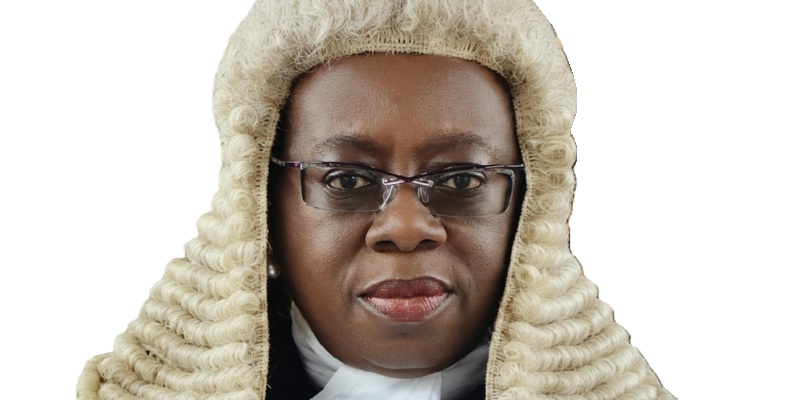
In a strongly worded petition to the Chief Justice of Nigeria (CJN), Justice Kudirat Motonmori Olatokunbo Kekere-Ekun, ADC’s legal counsel urged the apex court to deliver its ruling without further delay.
The party warned that continued reservation of judgment could disenfranchise millions of Nigerians and risk transforming the country into a “one-party state.”
Background of the Case
The dispute originates from a ruling by Justice Emeka Nwite, which challenged the leadership structure of the ADC.
David Mark, former Senate President and current leader of the party, filed an appeal at the Supreme Court seeking to overturn the lower court’s decision.
The appeal was heard on April 22, 2026, with a five-member panel of Justices led by Justice Mohammed Garba reserving judgment.

Since then, the absence of a ruling has created uncertainty within the party and among its supporters nationwide.

ADC’s Concerns
According to the petition, millions of Nigerians expected the ruling last Friday or Monday.
The party insists that the delay is jeopardizing its ability to participate in the 2027 General Elections.
This owes to the fact that the Independent National Electoral Commission (INEC) has already commenced activities under its election timetable.
ADC’s counsel argued that “justice delayed, in this peculiar circumstance, amounts to justice denied”.
The counsel stressed that the party’s constitutional right to contest elections is at stake.

The petition further warned that the delay could embolden attempts to marginalize opposition parties, thereby undermining Nigeria’s democratic pluralism.
Call to Action
The ADC urged CJN Kekere-Ekun to direct the Supreme Court panel to deliver judgment promptly, warning that further delay could erode public confidence in the judiciary.
The petition emphasized that timely delivery of the ruling is critical to forestall “irreparable harm” to the party’s constitutional rights.
It is also meant to reassure Nigerians of the judiciary’s commitment to fairness and transparency.
The party’s counsel also highlighted the urgency of the matter.
It noted that INEC’s deadlines for party primaries and candidate submissions are fast approaching.

Without clarity on its leadership status, the ADC risks exclusion from the electoral process.

Implications for Democracy
Analysts note that the case has far-reaching consequences for Nigeria’s political landscape.
If the ADC is excluded from the 2027 elections due to unresolved leadership disputes, it could weaken opposition efforts and fuel concerns about democratic pluralism.
The situation also raises broader questions about the role of the judiciary in safeguarding democracy.
Judicial delays in politically sensitive cases often create uncertainty, leaving opposition parties vulnerable and undermining citizens’ trust in democratic institutions.
Observers warn that if the ADC is sidelined, it could set a precedent for other opposition parties facing internal disputes.
It may also further consolidate the dominance of the ruling party.
Growing Anxiety Among Opposition Parties
The ADC’s petition underscores growing anxiety among opposition parties about judicial delays and their impact on electoral participation.
Many fear that prolonged litigation could be used as a tool to weaken opposition voices, thereby narrowing the democratic space.
Political commentators argue that the judiciary must act decisively to prevent Nigeria from sliding into a de facto one-party system.
They stress that timely rulings are essential to maintaining balance in the political arena and ensuring that all parties have a fair chance to compete.
Conclusion
This development places fresh pressure on the Supreme Court to act swiftly, as the countdown to the 2027 elections intensifies.
For the ADC, the stakes could not be higher: its ability to contest the elections and represent millions of Nigerians depends on the timely resolution of its leadership dispute.
The petition to CJN Kekere-Ekun is not just a plea for justice in one case—it is a broader call to protect Nigeria’s democratic future.
The coming days will determine whether the judiciary rises to the occasion and delivers a ruling that upholds fairness, transparency, and the constitutional rights of all political actors.
This case highlights the fragile intersection of law and politics in Nigeria, where judicial decisions can shape the trajectory of democracy itself.