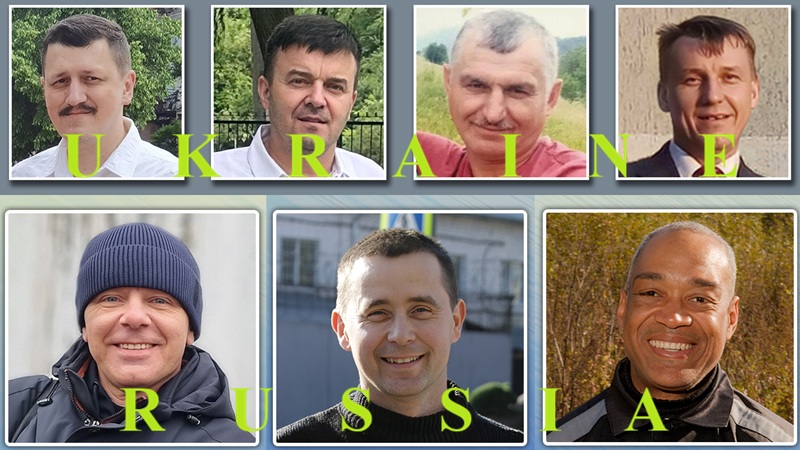

 Ukraine/Russia — The International Bible Students Association, popularly known as Jehovah’s Witnesses, says that four more members were imprisoned in Ukraine for conscientious objection, while three others completed prison sentences in Russia.
The organisation’s news releases, published November 4 and November 6, describe contrasting developments involving seven men in the two countries.
In Ukraine, two men began serving three-year sentences, and two others entered pretrial detention after requesting alternative civilian service.
In Russia, three men were released during October after accounting for time already spent in detention or house arrest.
The reports describe individual cases and do not, by themselves, establish a broader change in either country’s military or religious policies.
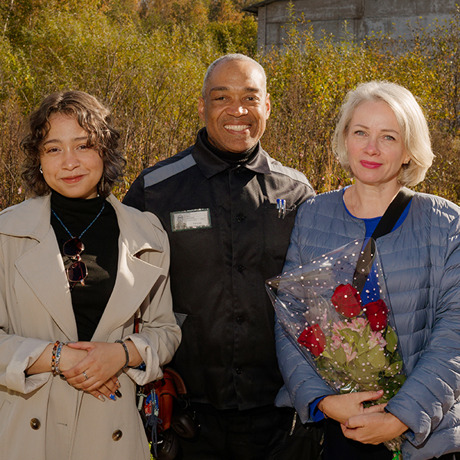
Four Jehovah’s Witnesses Detained or Imprisoned in Ukraine
Jehovah’s Witnesses reported that Viacheslav Filenko, 48, began serving a three-year prison term on September 18, 2026.

An appeals court in the Lviv Region upheld his conviction for evading military mobilisation in July, according to the organisation.
The report says Filenko cares for his wife and young son, and is also his elderly father’s primary caregiver.
Ivan Tsebak, 44, began serving a separate three-year sentence on September 22 after an appeals court upheld his conviction.
His guilty verdict had been issued in January 2026, the organisation said, without providing further details in the release.
Two other men, Vasyl Ponzel and Andrii Aleksieiev, were placed in pretrial detention in October.
Ponzel, 50, entered a detention centre in the Zakarpattia Region on October 8, while Aleksieiev, 50, was detained October 16.

The four men had requested alternative civilian service, but their requests were denied, according to the Jehovah’s Witnesses report on Ukraine.
The organisation said 34 Jehovah’s Witnesses remained imprisoned in Ukraine for reasons related to their Christian neutrality as of the report’s publication.
One Prisoner Released in Ukraine
The Ukraine update also reported the release of Vasyl Kononchuk, who left a prison colony in Drohobych on September 24.
He had been incarcerated for nearly eight months, according to the organisation, which said he used opportunities to speak with fellow inmates.
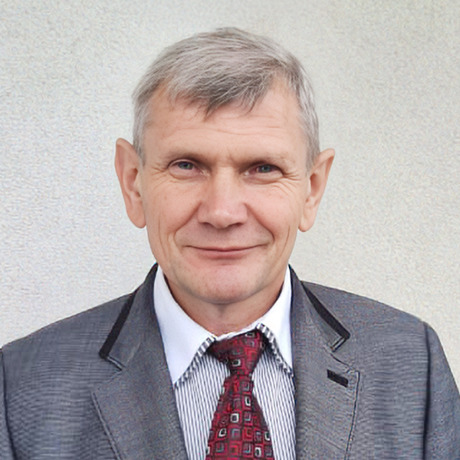
Kononchuk said several Jehovah’s Witnesses were held at the same prison colony and could associate freely.
He also recalled that they conducted a midweek religious meeting together, describing the experience as encouraging.

His release came amid reports of four additional men being imprisoned or placed in pretrial detention.
The organisation presented these cases under the issue of conscientious objection and religious neutrality, rather than as a general account of Ukraine’s detention system.
The release does not detail whether the men pursued other appeals or what legal options remain available to them.
It likewise does not provide comment from Ukrainian officials responding to the individual cases.
Three Jehovah’s Witnesses Released in Russia
In a separate update, Jehovah’s Witnesses reported that Yevgeniy Korotun, Aleksandr Kutin and Sean Pike were released from Russian prisons during October.
The organisation said their sentences were considered completed after crediting time spent in pretrial detention and, in some cases, house arrest.
Korotun was released October 6, after receiving a seven-year sentence in January 2022 and spending more than six years separated from his family.
Kutin left prison October 16, after a three-year sentence imposed in May 2024, alongside earlier time in detention and house arrest.
Pike was released October 2, after receiving a seven-year sentence in December 2023 and spending more than three years in detention.
The release describes Korotun and Pike as having completed their terms, with prior custody counted toward their sentences.
The Russia report includes accounts from the men and their families about the strain of separation.
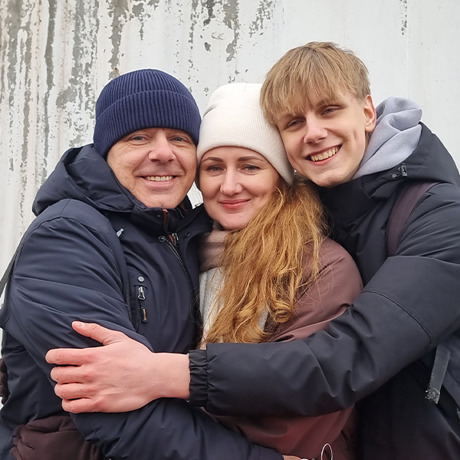
The three men reunited with family members after their releases, according to photographs and descriptions published by the organisation.
Different Cases, Same Organisation’s Updates
The releases present sharply different recent outcomes: four more men facing imprisonment in Ukraine, and three men completing sentences in Russia.
They concern separate legal proceedings and different circumstances, so the developments should not be treated as a direct policy comparison.
The Ukraine cases centre on conscientious objection to military service during wartime, according to Jehovah’s Witnesses.
The Russia update recounts prison convictions and releases, but the November notice does not restate the charges in detail.
The organisation’s reports provide biographical information and personal reflections from the men, while offering limited detail on official reasoning.
As of November 4, the group said 34 of its members remained imprisoned in Ukraine for Christian neutrality.
The releases in Russia brought the three men home, but do not indicate that other cases there have been resolved.
Together, the updates place individual experiences of imprisonment, family separation and release in the spotlight across both countries.