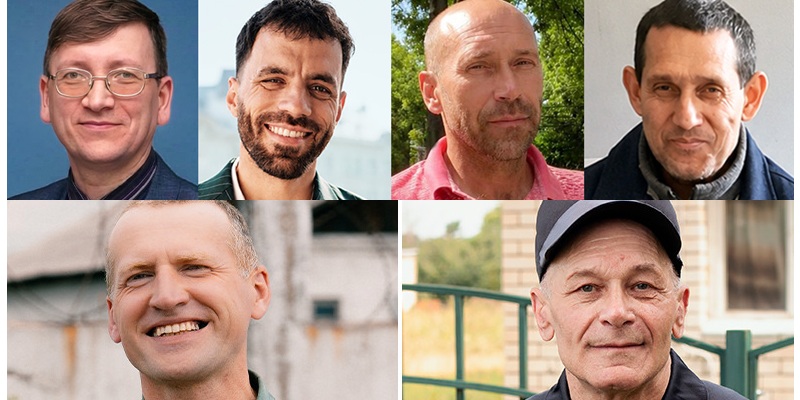
TD Kyiv / Moscow — Authorities in Ukraine have imprisoned four additional Jehovah’s Witnesses for refusing military service on grounds of conscience, bringing the total number of Witnesses currently jailed in the country to 37.
In another development, Russia has released two Jehovah’s Witnesses from prison after they completed their sentences.
The development underscores the complex and often contradictory realities of religious freedom across the region.
Ukraine Cases
The recent imprisonments in Ukraine highlight the ongoing tension between national security demands and individual rights of conscience.
- June 15, 2026: Vitalii Stepaniuk, 49, began serving a one-year prison sentence.
Despite the separation from his family, he remained resolute, stating:
“Trials are not easy to cope with, but we expect them in the times in which we are living.
“Nevertheless, these trials are strengthening my faith, developing in me greater endurance, and helping me to enjoy a closer relationship with Jehovah.”
- June 16, 2026: Oleksii Sushko, 34, was ordered into pretrial detention until at least August 14, with bail denied.
He reflected on his ordeal, saying he felt Jehovah was “standing alongside” him and his wife, offering comfort in the midst of uncertainty.
- June 29, 2026: Anatolii Rashevskyi, 46, was sentenced to five years and one month in prison.
Although he intends to appeal, he must remain incarcerated during the process.
He expressed gratitude for the spiritual support he receives from fellow believers.
- February 2024: Zoltan Habor, 45, was sentenced to three years.
- While not a Jehovah’s Witness at the time of his conviction, he began studying the Bible in prison and is now an unbaptized publisher making steady spiritual progress.
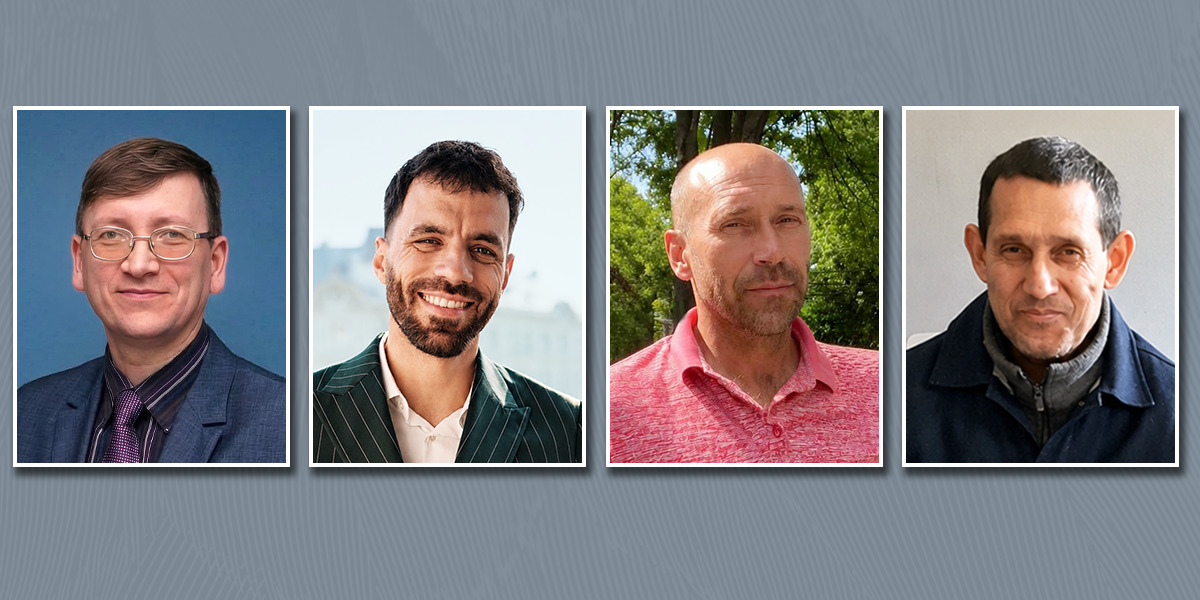
Jehovah’s Witnesses emphasize that these men are being punished solely for their Christian neutrality and refusal to bear arms.
The stance is rooted in their understanding of biblical teachings respecting war and love of fellow humans.
Russia Releases Two
In Russia, where Jehovah’s Witnesses have been banned as an “extremist” organization since 2017, imprisonment has been widespread.
Yet July 2026 brought relief for two families.
-
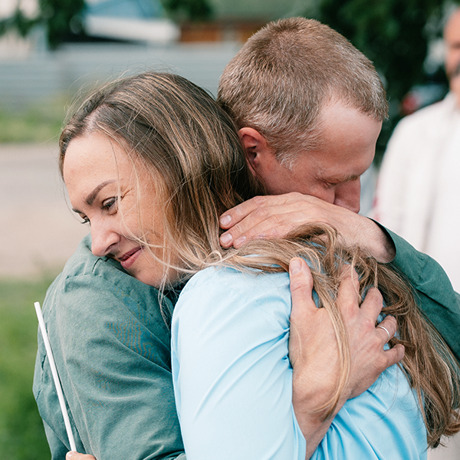
Aleksandr reunited with his wife, Yelena, outside the prison July 9, 2026: Aleksandr Filatov was released after nearly five years in detention and prison.
He reunited with his wife, Yelena, and their two sons.
Yelena described the challenges of raising their children alone, noting:
“I realized that their childhood was still ongoing, and my task was to help our boys be as happy as possible.
“We made it through with our family and dignity intact only because of our heavenly Father’s tender care and the support of our brothers and sisters.”
-
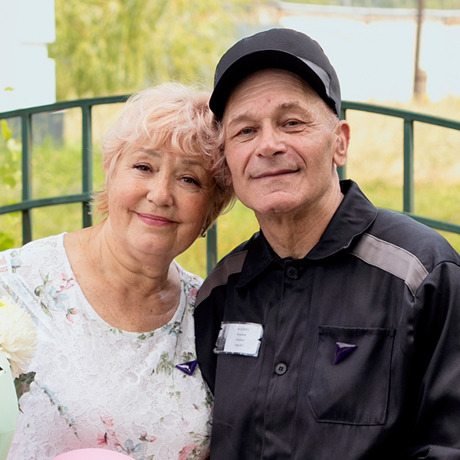
Vladimir and his wife, Nataliya, after his release July 28, 2026: Vladimir Maladyka was freed after serving part of a six-year sentence.
He recalled how he tried to maintain kindness in prison, even greeting guards and inmates.
His gestures eventually encouraged others to do the same.
His quiet acts of dignity and humanity became a witness in themselves.
Both men expressed deep gratitude for the unwavering support of their families and fellow believers.
They said the kindness of families and fellow believers sustained them through years of separation.

Context
Jehovah’s Witnesses face unique challenges in both countries:
- In Russia, the faith remains outlawed, with thousands facing raids, arrests, and imprisonment under extremism laws.
- In Ukraine, while the religion is not banned, the ongoing war has intensified scrutiny of conscientious objectors.
Refusal to serve in the military has led to prosecutions, raising questions about the balance between national defense and individual rights.
For nearly three decades, Jehovah’s Witnesses in Ukraine have benefited from a law allowing alternative civilian service for conscientious objectors.
The war that began on February 24, 2022, revealed a lack of legal provisions for such service during mobilization, leading to prosecutions.
Currently, 15 Witnesses are imprisoned and 22 are in pretrial detention.

Three UN Special Rapporteurs have raised concerns about the need for alternative service provisions.
International observers note that these cases highlight broader issues of religious freedom, human rights, and the treatment of conscientious objectors in times of conflict.
Summary
The contrasting developments — new imprisonments in Ukraine and releases in Russia — illustrate the precarious position of Jehovah’s Witnesses across Eastern Europe.
Their steadfast commitment to neutrality continues to spark debate about the limits of state authority and the protection of individual conscience.
These stories of endurance, faith, and resilience remind the world that in times of war and political upheaval, the struggle for religious freedom remains deeply personal.
These stories touch families, communities, and international human rights discourse alike.