



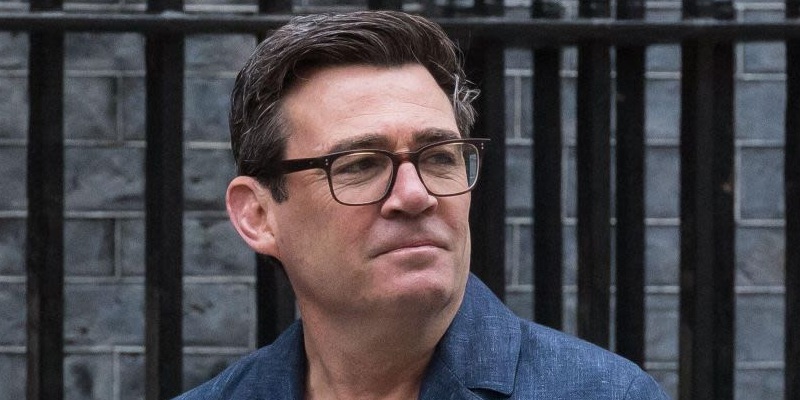

TD LONDON, The United Kingdom — Andy Burnham has officially become Britain’s new prime minister, succeeding Keir Starmer, who resigned after mounting pressure from within his own Labour Party.
Burnham formally accepted King Charles III’s invitation to form a government during the traditional “kissing hands” ceremony at Buckingham Palace, marking the transfer of power.
Burnham, the former mayor of Greater Manchester, was confirmed as Labour’s new leader at a special party conference last week.
His rise to the premiership makes him the seventh prime minister since 2016.
The rise underscores the political turbulence that has defined Britain’s recent history.
Keir Starmer Bows Out
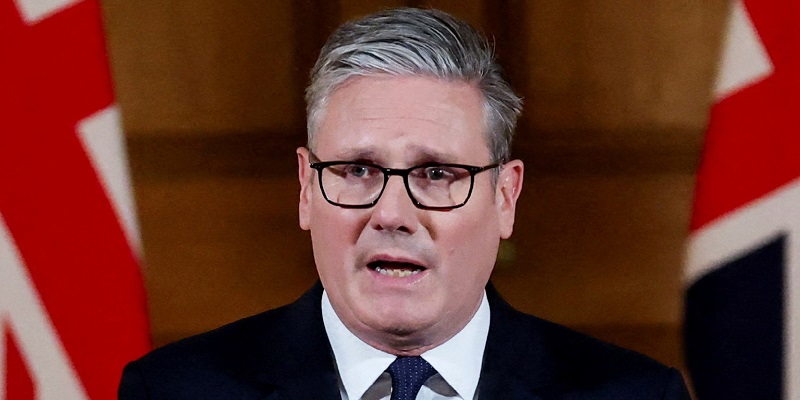
Outgoing Prime Minister Keir Starmer delivered a short farewell speech outside 10 Downing Street.

He declared: “My work is done. I go with good grace; I go with a smile, and I go proud of everything that we have achieved.”
He highlighted achievements such as stronger protections for workers and reduced child poverty.
He also highlighted increased defense spending before heading to Buckingham Palace to tender his resignation.
Burnham, in his first remarks as Labour leader, pledged to usher in a “new style of politics”.
He promised to make governance “less toxic” and to restore stability after years of leadership changes.
He emphasized improving living standards and “bringing back the hope we have all been missing.”

Attention now turns to Burnham’s Cabinet appointments, with expectations that he will reshuffle key positions such as Treasury chief, foreign secretary, and home secretary.
The Leadership Test
Analysts say his leadership will be tested by Britain’s cost-of-living crisis and sluggish economic growth.
Also critical will be the need to maintain strong international alliances, particularly support for Ukraine.
Burnham’s ascent reflects both continuity and change within Labour.
He praised Starmer’s achievements, vowing to “build on the foundation laid” by his predecessor.
Meanwhile, he signaled a shift toward decentralization of power and reindustrialization policies.

With Britain’s next general election not required until 2029, Burnham has the option to call an early vote.
For now, his immediate challenge will be to stabilize a nation weary of political upheaval.
He must also prove that his leadership can deliver on promises of growth, fairness, and renewed trust in government.