



TD In an extraordinary move, the Pentagon has subjected dozens of senior U.S. military and civilian officials to lie detector tests in an effort to uncover the source of damaging leaks about America’s weapons stockpiles during the Iran war.
Roughly 50 members of the Joint Staff were examined in August, marking one of the largest polygraph sweeps in modern military history.
Background: The Iran War and U.S. Concerns
The Iran war has placed immense strain on U.S. military resources.
Reports of depleted long‑range missiles and Patriot interceptors raised alarms about America’s ability to sustain prolonged conflict.
These revelations, published in major outlets, embarrassed the administration and fueled debate over whether Washington underestimated the scale of the war.
For the Trump administration, controlling the narrative around military readiness has been critical.

Any suggestion of shortages undermines confidence both at home and abroad, particularly among allies who rely on U.S. military strength as a deterrent.
History of Pentagon Leak Investigations
Leaks have long plagued Washington, but the Pentagon has rarely resorted to polygraph tests at such high levels.
- Vietnam War era: Investigations focused on whistleblowers who exposed classified reports, but lie detector tests were limited to lower‑level staff.
- Post‑9/11 period: The Pentagon tightened its security
It, back then, probed into leaks typically relied on internal audits and surveillance rather than mass polygraph sweeps.
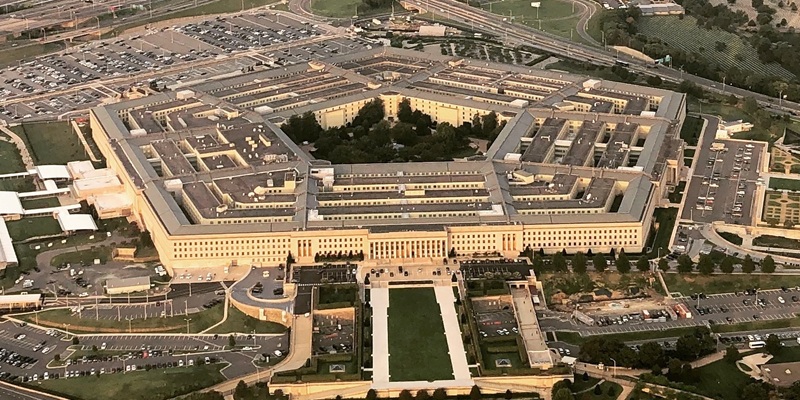
- Current case: The Iran war leaks mark the first time dozens of senior officials — including generals and top civilian staff — have been subjected to lie detector examinations simultaneously.
This escalation reflects both the sensitivity of the information and the administration’s determination to root out dissent.
Trump’s Response
President Donald Trump has denounced the leaks as “treasonous,” insisting that the United States maintains “massive” munitions reserves.
He has demanded accountability and warned of harsh penalties for those found responsible.

His rhetoric underscores a broader war on leaks, which he views as undermining his administration’s credibility and military strategy.
Expert Reactions
Military analysts and political observers have expressed concern over the unprecedented scope of the probe.
Security experts argue that mass polygraph testing risks eroding trust within the ranks, potentially damaging morale at a time when unity is essential.
Civil liberties advocates warn that such measures could intimidate officials into silence, discouraging whistleblowing even when disclosures serve the public interest.
Political analysts see the crackdown as part of Trump’s broader campaign against leaks, reflecting growing paranoia in Washington.
Implications and Conclusion
- Deterrence: The sweep sends a clear message that leaks will be aggressively pursued.
- Operational impact: If morale suffers, the effectiveness of the Joint Staff could be compromised.
- Political dimension: The crackdown highlights the administration’s struggle to control wartime narratives and maintain credibility.
The Pentagon’s decision to polygraph dozens of senior officials marks a turning point in how Washington confronts leaks.

The move underscores the seriousness of the Iran war disclosures.
It also raises questions about transparency, accountability, and the balance between national security and civil liberties.
As the conflict continues, the administration’s war on leaks may prove as consequential as the war itself.’
It shapes not only military strategy but also the trust between America’s leaders and the institutions they command.