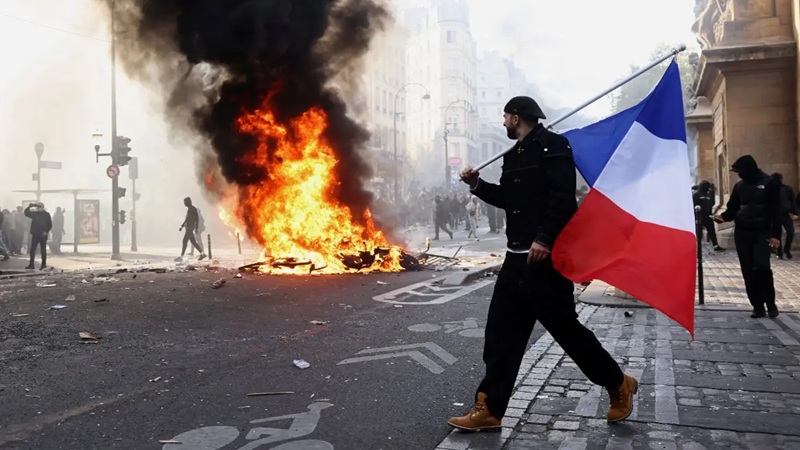

TD France is facing a serious security crisis following violent protests that swept through several cities over the weekend.
The demonstrations reportedly left one protester dead, hundreds of police officers injured, and thousands of people arrested.
Authorities have introduced targeted curfews to prevent further violence and protect residents, businesses, and public buildings.
The unrest began amid growing frustration over rising living costs, fuel prices, and declining public services.
Student protests over education conditions also contributed to the wider demonstrations.
President Emmanuel Macron has called for calm while his government works to restore order.

The crisis has intensified political tensions and raised questions about public safety, government policies, and France’s economic outlook.
Violent Protests Spread Across Major French Cities
France experienced one of its most serious periods of unrest in recent years during nationwide demonstrations on Saturday, October 17.
Hundreds of thousands of people reportedly participated in marches across the country.
Many demonstrators protested against rising prices and deteriorating public services.
However, some gatherings escalated into violence as groups clashed with police.
Reports described looting, vandalised buildings, burning vehicles, and attacks on public institutions.

In Limoges, a historic town hall was reportedly set ablaze during the unrest.
Shops and businesses in several cities also suffered damage.
Paris, Marseille, Lyon, and other urban centres experienced disturbances as security forces struggled to contain the violence.
Although many participants demonstrated peacefully, violent groups caused significant damage.
The incidents have left residents concerned about safety and the future stability of their communities.
Thousands Arrested as Police Face Growing Pressure
French authorities have arrested thousands of people following the demonstrations.

Reuters reported that more than 2,000 people had been arrested by Sunday, October 18.
By Tuesday, October 20, the Justice Ministry reported that approximately 2,500 people remained in custody.
Authorities have also reported injuries among hundreds of police officers.
The government deployed substantial security resources to control the unrest and prevent further attacks.
According to Reuters, approximately 60,000 police officers were deployed during the security operation.
The authorities are investigating incidents involving looting, arson, and attacks on public buildings.
Officials have warned that those responsible for criminal acts could face prosecution.
The government is also reviewing intelligence and policing arrangements following criticism of its response.
These developments have increased pressure on security agencies to prevent further violence while protecting peaceful demonstrators.
Targeted Curfews Introduced to Restore Calm
French authorities have introduced targeted overnight curfews in several cities following the violence.
The restrictions aim to prevent further looting and reduce confrontations between protesters and security forces.
Prime Minister Sébastien Lecornu said the measures helped restore temporary calm overnight.
Authorities are considering extending restrictions where officials believe additional measures are necessary.
Some local curfews particularly affect minors in areas experiencing serious disturbances.
Cities implementing restrictions include Paris, Marseille, Lyon, and Lille.
However, the government faces the challenge of maintaining public order without further escalating tensions.
Officials must also ensure that emergency services can operate effectively during periods of heightened security.
The temporary calm has offered some relief to residents and business owners.
Nevertheless, authorities remain concerned about renewed demonstrations and possible clashes in the coming days.
Rising Living Costs Fuel Public Anger
Economic hardship has emerged as a central issue behind the demonstrations.
Many protesters have expressed frustration over rising fuel prices and the increasing cost of everyday necessities.
Households are also concerned about the quality and availability of public services.
Students have raised concerns about school conditions and shortages of teaching staff.
These grievances have helped unite different groups within the wider protest movement.
The demonstrations reflect broader concerns about purchasing power, employment opportunities, and access to essential services.
For families already struggling financially, higher transport and energy expenses can worsen existing difficulties.
Businesses are also facing uncertainty following the destruction of property and disruptions to normal commercial activities.
The French government has promised assistance for affected businesses.
However, financial support alone may not resolve the deeper grievances driving the demonstrations.
Authorities must also address concerns about education, public services, and household affordability.
Macron Faces Growing Political Pressure
The unrest has placed additional pressure on President Emmanuel Macron and his administration.
Critics have questioned the government’s ability to anticipate and manage the demonstrations.
The security response has also triggered debate about intelligence failures and police preparedness.
Macron rejected the resignation offer of Interior Minister Laurent Nuñez following the unrest, according to Reuters.
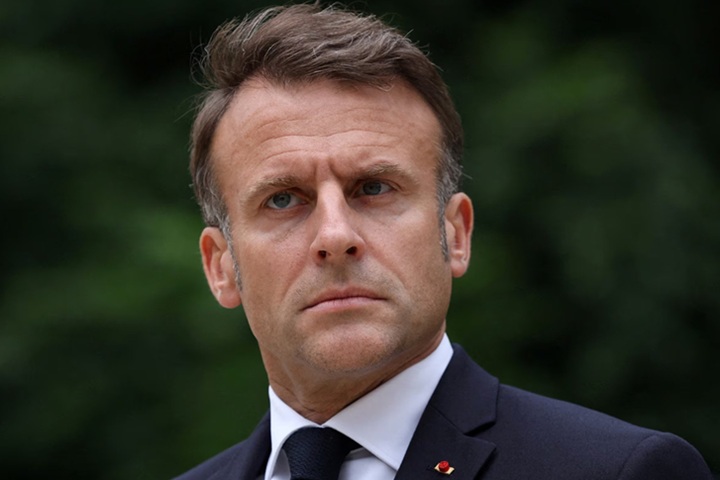
The president instead directed the minister to address the security problems and improve transparency.
The government must now balance immediate security measures with efforts to address the public’s economic concerns.
Political divisions could complicate those efforts as France approaches its next presidential election.
Opposition parties have criticised the administration’s handling of the crisis.
Some political observers believe the unrest could influence voting patterns and strengthen support for opposition movements.
However, the political consequences will depend on how the situation develops and how voters assess the government’s response.
Government Faces Challenge Protecting Businesses
The violence has caused significant disruption for business owners across France.
Several shops were reportedly looted, vandalised, or damaged during the demonstrations.
Public buildings and other facilities also suffered destruction.
The government has pledged assistance to thousands of affected businesses.
Insurers have reportedly promised to accelerate compensation for eligible claims.
However, repairs and financial settlements may take time, particularly for businesses suffering extensive damage.
Some business owners could face temporary closures and lost income.
The unrest may also discourage customers from visiting affected commercial districts.
Local authorities must therefore restore security while helping businesses resume normal operations.
The economic impact could extend beyond immediate repair costs if further demonstrations disrupt trade and consumer confidence.
Further Demonstrations Remain a Concern
Despite the temporary calm, France’s security situation remains uncertain.
Student groups and other protesters have indicated that further demonstrations could take place.
Some activists want the government to address education funding and rising living costs.
Others are calling for broader changes to public policies.
Authorities are preparing for possible renewed unrest while maintaining security deployments in affected areas.
The government must distinguish peaceful demonstrations from criminal acts committed during violent incidents.
That distinction remains important for protecting civil liberties and maintaining public confidence.
Further clashes could increase economic losses and place additional pressure on security personnel.
The coming days will test the government’s ability to restore stability while addressing the concerns driving public anger.
Conclusion
France is confronting a serious period of unrest involving violent protests, mass arrests, and significant damage to public and private property.
Authorities have introduced targeted curfews while investigating the violence and reviewing security arrangements.
The demonstrations have exposed widespread frustration over living costs, education conditions, and public services.
President Macron’s administration now faces pressure to restore order and respond to citizens’ concerns.
The situation also presents economic and political challenges ahead of France’s next presidential election.
Whether the temporary calm continues will depend on security measures and the government’s response to public grievances.
ThisDawn News will continue monitoring developments in France and reporting verified updates as they emerge.