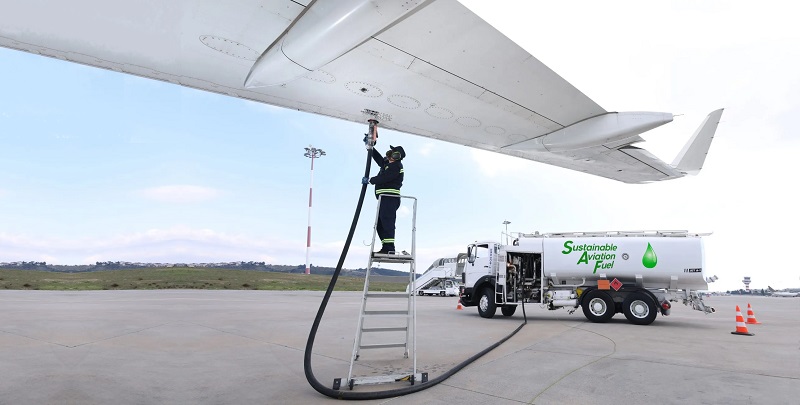
TD A looming global aviation crisis is unfolding as the International Energy Agency (IEA) warns that Europe could run out of jet fuel in as little as six weeks.

The announcement has raised fears of widespread flight disruptions, economic shockwaves, and a potential breakdown in global air travel.
The warning comes amid the ongoing disruption of global energy supplies triggered by the closure of the Strait of Hormuz.
The strait is a critical maritime corridor responsible for transporting roughly 20% of the world’s oil and energy supplies.
A Crisis Measured in Weeks, Not Months
According to the IEA, Europe’s aviation fuel reserves are dangerously low, with current stock levels potentially lasting only a few weeks if supply routes remain blocked.
Industry analysts warn that major European airports could begin experiencing severe shortages within three weeks.
This will expectedly escalate into full-scale disruption by early summer.
Fuel storage hubs such as the Amsterdam–Rotterdam–Antwerp (ARA) region—central to Europe’s aviation fuel distribution—have already fallen to multi-year lows.
This exposes the fragility of the continent’s supply chain.
Root Cause: The Hormuz Bottleneck
At the heart of the crisis is the prolonged shutdown of the Strait of Hormuz following escalating tensions linked to the 2026 Iran conflict.
Tanker traffic has collapsed by over 70–90 per cent and ships get stranded.
The disruption has been described as the largest energy supply shock since the 1970s oil crisis.
Europe is particularly vulnerable because it imports 30–40% of its jet fuel, with a significant share traditionally sourced from the Middle East.
Airlines Already Feeling the Heat
The crisis is no longer theoretical.
Airlines across continents are already cutting operations, raising fares, and suspending routes:
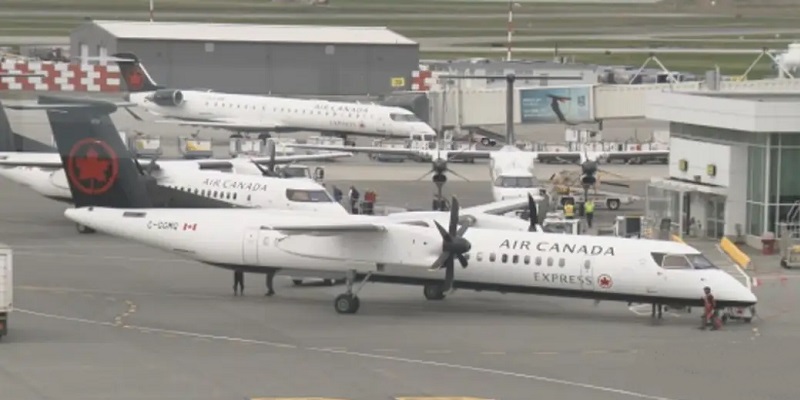
- Air Canada has suspended flights to New York’s JFK Airport for several months due to soaring jet fuel costs.
- Lufthansa has reportedly cancelled up to 20,000 flights amid the fuel crunch.
- American Airlines expects an additional $4 billion in fuel costs, threatening profitability.
- Delta Air Lines and United Airlines are cutting capacity and raising fares.
Other major carriers impacted include:
- Air France-KLM
- Cathay Pacific
- AirAsia X
- Air New Zealand
- Asiana Airlines
- Aer Lingus
These airlines have cut flights, increased ticket prices, or introduced steep fuel surcharges as jet fuel prices double or even triple in some markets.
Global Ripple Effects Beyond Aviation
The crisis is rapidly spilling over into the wider global economy:
- Oil prices have surged above $100 per barrel, intensifying inflation pressures.
- Global supply chains are slowing as shipping routes remain disrupted.
- Airlines warn of higher ticket prices, reduced routes, and possible travel chaos during peak summer season.
Experts caution that even if the Strait reopens soon, recovery could take months due to refining and logistics bottlenecks.
Countries Scramble for Alternatives
Governments are already moving to secure emergency fuel supplies:
- Australia has struck a deal with Brunei and South Korea to import 100 million litres of diesel, signaling a broader scramble for energy security.
- Donald Trump has urged affected countries to purchase fuel from the United States, positioning the U.S. as an alternative supplier.
Meanwhile, the European Union is exploring emergency stock releases and new supply agreements to prevent a full-blown aviation shutdown.
Aviation Industry Braces for Turbulence
Industry analysts warn that the aviation sector is entering a prolonged period of instability, with fuel costs accounting for up to 30% of airline operating expenses.
With demand expected to peak during the summer travel season, the mismatch between supply and demand could trigger:
- Mass flight cancellations
- Ticket price surges
- Reduced global connectivity
- Economic strain on tourism-dependent countries
The Bottom Line
What began as a regional geopolitical crisis has rapidly evolved into a global aviation emergency.
Some countries have only few weeks of fuel reserves in key markets and no immediate resolution in sight.
The world now faces the real possibility of grounded flights, disrupted economies, and a shaken global travel system.
Unless critical supply routes—especially the Strait of Hormuz—are restored soon, the coming months could mark one of the most severe aviation fuel crises in modern history.