



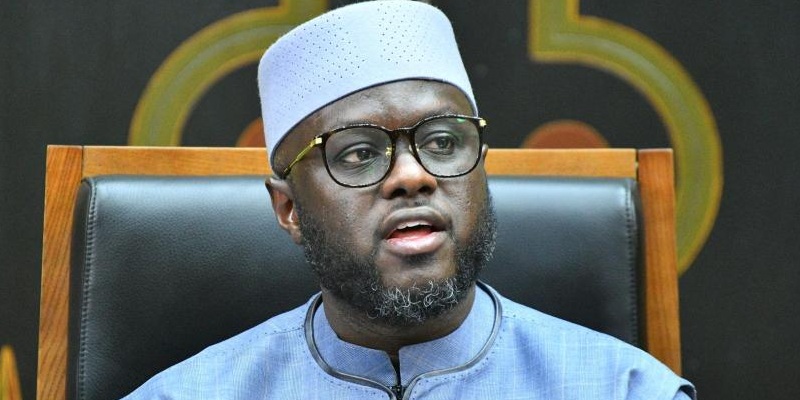

TDSenegal’s politics has been shaken. El Malick Ndiaye, President of the National Assembly since December 2024, resigned suddenly on Saturday.
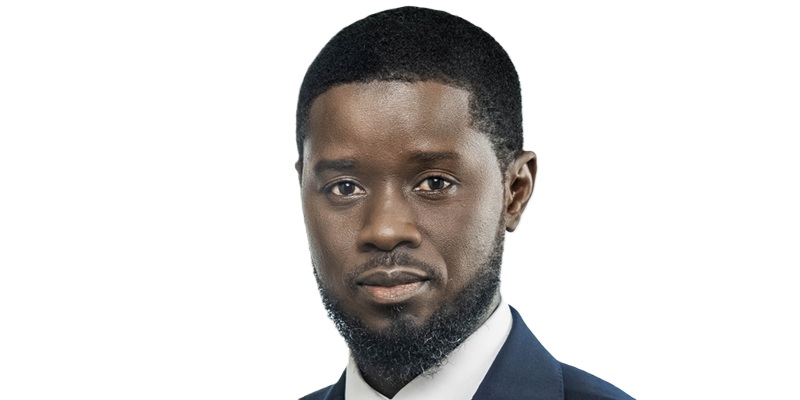
His decision came just two days after President Bassirou Diomaye Faye dismissed Prime Minister Ousmane Sonko and dissolved the government.
The ruling PASTEF coalition now faces its deepest fracture yet.
Ndiaye Speaks Out
Ndiaye announced his resignation through social media and public channels. He said it followed “careful consideration.”
He described it as an act of duty. He stressed loyalty to the nation, respect for institutions, and the pursuit of stability.
He thanked PASTEF militants and colleagues. He promised to continue serving Senegal.

His words avoided direct mention of the Sonko-Faye clash but carried a call for unity.
His Track Record
Ndiaye is a longtime PASTEF member.
He once served as Minister of Infrastructure, Land and Air Transport.
He was elected Speaker on December 2, 2024, with 134 votes.
His 18-month leadership focused on transparency, modernization, and ethical governance.
He encouraged dialogue between majority and opposition.

He promoted constitutional debate. His exit now overshadows those achievements.
Sonko’s Dismissal
The timing is telling. On May 22, President Faye dismissed Sonko after months of bitter disputes.
They clashed over economic policy, debt restructuring, and IMF negotiations.
Senegal faces mounting fiscal pressure.
The disagreements between the two former allies spilled into public view. Sonko’s dismissal dissolved the cabinet.
Outgoing ministers were left to manage daily affairs. The move raised fears of instability and stalled bailout talks.

A Strategic Resignation
Analysts say Ndiaye’s resignation is calculated. By stepping down, he clears the way for Sonko’s return to parliament.
Assembly rules allow Sonko, now out of government, to reclaim his deputy seat.
With PASTEF’s majority intact, a new Speaker will be elected on May 26. Sonko is seen as the frontrunner.
Supporters hail Ndiaye’s move as honorable and selfless. They contrast it with the executive power struggle.
The resignation strengthens PASTEF’s grip on the legislature, but it exposes cracks in Faye’s administration.
The government is barely two years old, as the 2024 elections ended decades of dominance by traditional parties.
Yet divisions are already visible. Critics warn the split could erode public trust.
They say it could complicate debt negotiations, fearing it could fuel opposition gains ahead of future polls.
Ndiaye’s Final Words
Ndiaye’s statement emphasized unity. “The superior interest of the Nation must always prevail,” he declared.
He urged continued republican dialogue. His departure, though framed as personal, fits a familiar pattern in Senegalese politics.
Loyalty, party discipline, and institutional roles often collide.
Senegal now faces a test of resilience.
Will Ndiaye’s resignation stabilize the ruling alliance? Or will it deepen divisions?
The upcoming Speaker election will provide answers. It will reveal PASTEF’s internal dynamics.
It will show the balance of power between presidency and parliament. For now, the nation waits as the drama unfolds.