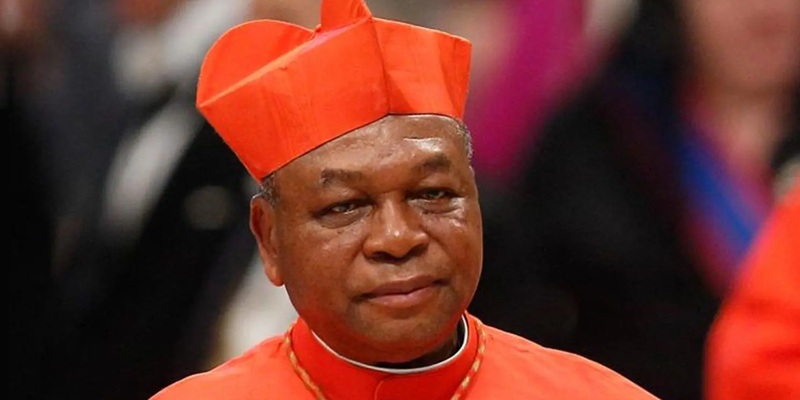
TD The Presidency has criticized Cardinal John Onaiyekan for what it described as an “abuse of clerical privilege” following his televised remarks about a private meeting between the Catholic Bishops’ Conference of Nigeria and President Bola Tinubu.
In a strongly worded statement, Temitope Ajayi, Senior Special Assistant to the President on Media and Publicity, argued that Cardinal Onaiyekan’s decision to publicly interpret the confidential engagement was inappropriate. According to Ajayi, the bishops had requested an audience with President Tinubu, during which they presented concerns about Nigeria’s economic, social, and security challenges.
Ajayi noted that while the bishops were “notably acerbic” in their submissions, the President listened patiently and responded point by point. He reminded them that certain issues, such as the demand for the return of mission schools, were matters for state governments, not the federal government. Tinubu also highlighted progress made in stabilizing Nigeria’s economy, restoring fiscal discipline, and improving salary and pension payments across states.
“It is easy to compile a list of national problems. It is far more difficult to acknowledge the disasters that have been averted,” Ajayi wrote, stressing that Tinubu inherited a fiscal crisis but has taken steps to avert collapse.
On security, Ajayi countered the bishops’ claim that “Nigeria is bleeding,” insisting that while challenges remain, the Armed Forces have recorded measurable gains. He emphasized that as Commander-in-Chief, Tinubu receives intelligence reports unavailable to the general public, giving him a broader perspective than media headlines suggest.
Ajayi further criticized the notion that only external critics “speak truth to power,” pointing out that the President is exposed daily to harsh assessments, conflicting intelligence, and diverse opinions. He argued that Onaiyekan’s public commentary undermined the confidentiality and dignity of the meeting, noting that clerical office requires “temperance, maturity, and self-restraint.”
The statement concluded that while the bishops discharged their moral duty by presenting concerns, Cardinal Onaiyekan’s subsequent media interview was inappropriate, converting privileged access into public controversy.
This exchange underscores ongoing tensions between Nigeria’s political leadership and religious institutions, reflecting broader debates about governance, accountability, and the role of faith leaders in national discourse.