



 MundX Analytics has drawn attention to a polling unit in Isu Achara, Onicha Local Government Area, Ebonyi State, citing a sharp increase in registered voters.
The group says the Isu Achara Town Hall polling unit had 992 registered voters in 2023, compared with 4,485 on the preliminary 2026 register.
That represents an increase of 3,493 voters, which MundX describes as the third-largest absolute rise among Nigeria’s polling units.
The figures were presented in a post reviewing entries in the preliminary register available online as of November 9, 2026.
MundX also shared video analysis of voter photographs and names attached to records in the register.
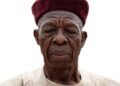
It said its review identified duplicate photographs, images it considered possibly AI-generated, and cases where photographs appeared inconsistent with listed names.

The group also pointed to headwear it described as culturally inconsistent with some Igbo names.
Those observations are the analytics group’s assessments; they do not establish that the entries are fraudulent or that anyone registered improperly.
Preliminary register remains subject to review
The polling-unit comparison comes as INEC processes claims and objections concerning the preliminary voter register ahead of the 2027 general elections.
INEC displayed the preliminary register at registration areas from October 9 to 15, then made it available online for wider public access.
The commission says it will certify and publish the final register on December 15, 2026, after review and reconciliation.
On November 9, INEC Chairman Joash Amupitan said the commission had removed more than 1.6 million invalid registrations and 873 records belonging to verified deceased voters.

He said final reconciliation, quality assurance and publication checks remained before the December release.
The commission’s announcement concerned the wider registration database and did not specify whether the Isu Achara records had changed.
MundX’s comparison therefore describes a preliminary-register count, rather than a final total confirmed by INEC for that polling unit.
Image concerns require verification
MundX’s video raises questions about photographs and identity details in voter records, but visual anomalies alone do not prove deliberate manipulation.
The group did not publish individual voter identities in the material described here, and the available information does not establish how the images entered the database.
INEC has acknowledged that questionable photographs and duplicate records have circulated publicly, including entries originating in older registration exercises.

The commission has said it is reviewing flagged records and will address valid complaints through its claims-and-objections process.
In its November 9 briefing, Amupitan said the commission had also identified registration personnel suspected of bypassing procedures, with disciplinary action possible.
That national update underscores the need to examine concerns systematically, while distinguishing suspected irregularities from confirmed invalid registrations.
Whether the Isu Achara count reflects valid new registrations, duplicated records, administrative changes or another factor remains unclear from the available material.
INEC has not publicly commented on MundX’s specific analysis of this polling unit.
Register scrutiny intensifies before 2027
The discrepancy highlighted in Ebonyi adds to public scrutiny of the voter register as political parties and voters prepare for the 2027 elections.
Accurate polling-unit records matter because they help election officials plan logistics and voters identify where they are registered.
A substantial change in one unit may warrant scrutiny, but requires comparison against underlying records and INEC’s final register.
The commission’s ongoing clean-up provides a formal route for correcting entries, while its December publication will offer a later reference point.
MundX says its analysis relies on the preliminary register currently accessible online, and warns that the updated register has not yet been published.
The group’s work brings attention to records that may merit verification, but its image classifications remain analytical findings rather than official determinations.
Voters who notice incorrect personal information can use INEC’s prescribed claims-and-objections process during the review period.
Political parties, observers and civil society organisations may also assess the final register once INEC completes reconciliation.
The Isu Achara figures are likely to remain a point of interest until the commission’s final data clarifies the polling unit’s registered-voter count.