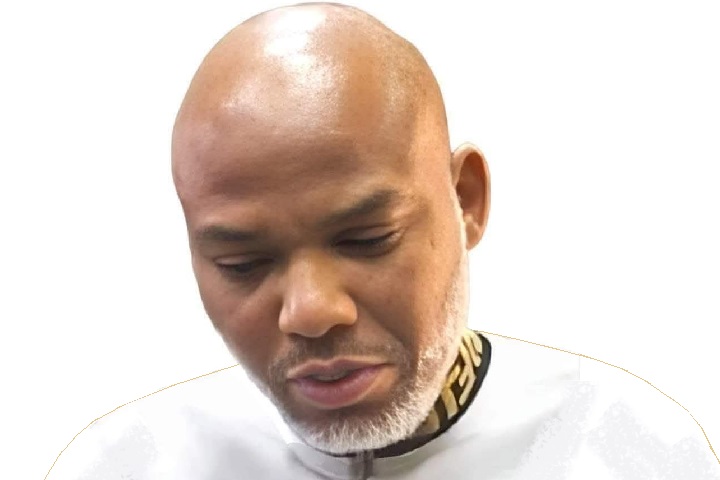
TDThe leader of the Indigenous People of Biafra (IPOB), Mazi Nnamdi Kanu, has personally filed what supporters described as the “mother of all appeals” against his conviction and sentencing by the Federal High Court in Abuja.
The appeal, lodged at the Court of Appeal, Abuja, challenges the terrorism-related judgment that sentenced him to life imprisonment.
This filing represents a pivotal moment in Kanu’s long-running confrontation with the Nigerian state, reigniting debates about justice, political dissent, and the rule of law.
Grounds of Appeal
Court documents reveal that Kanu’s appeal rests on several critical arguments:
- Flawed Conviction: He asserts that the trial court erred in law and fact, and that the conviction should be quashed.
- Denial of Allocutus: The sentencing was imposed without giving him the opportunity to make a plea for leniency, a fundamental right in criminal proceedings.
- Failure to Consider Mitigating Factors: His legal team argues that the trial judge ignored relevant circumstances that could have influenced sentencing.
The reliefs sought include:
- An order quashing the conviction on all counts.
- An order reversing and setting aside the sentences imposed.
- An order discharging and acquitting him of all charges.
Background
Kanu was convicted under the Terrorism Prevention (Amendment) Act, 2013.

The charges include making broadcasts that allegedly intimidated the population and issuing threats linked to the controversial sit-at-home directives in the South-East.
His detention and trial have been a flashpoint in Nigeria’s political landscape.
Supporters argue that his prosecution is politically motivated, while critics insist that his broadcasts and directives contributed to insecurity in the region.
Political and Social Implications
The appeal is expected to have far-reaching consequences:
- South-East Tensions: Kanu’s imprisonment has fueled protests, civil disobedience, and economic disruptions in the South-East.
His appeal could either ease tensions if successful or inflame them further if dismissed.
- National Security: The case underscores Nigeria’s struggle to balance national security with civil liberties.
A reversal of his conviction could embolden separatist movements, while upholding it may deepen grievances.

- Governance and Rule of Law: The appeal tests Nigeria’s judiciary, with observers watching closely.
Whether the courts will uphold due process or be swayed by political considerations wait to be seen.
Reactions
Human rights advocates have welcomed the appeal, describing it as an opportunity for Nigeria’s judiciary to demonstrate independence.
IPOB supporters have hailed Kanu’s decision to personally file the appeal as a sign of resilience and determination.
Meanwhile, government officials remain cautious, emphasizing the need to respect judicial processes while maintaining national security.
Timeline of Nnamdi Kanu’s Legal Battles
2015 – First Arrest
- October 2015: Nnamdi Kanu, leader of IPOB, was first arrested by Nigeria’s Department of State Services (DSS) at Lagos airport.
- He was charged with treasonable felony, unlawful possession of firearms, and other offenses.
- His detention sparked widespread protests across the South-East and among diaspora supporters.
2017 – Bail and Release
- April 2017: After nearly two years in detention, Kanu was granted bail by the Federal High Court in Abuja on health grounds.
- His release was celebrated by IPOB supporters, but conditions restricted his movement and public appearances.
2017 – Military Raid and Flight
- September 2017: Nigerian military forces raided Kanu’s residence in Abia State during “Operation Python Dance.”
- Kanu disappeared from public view, later resurfacing abroad, claiming he narrowly escaped assassination.
2021 – Rearrest and Extraordinary Rendition
- June 2021: Kanu was rearrested in Kenya and extradited to Nigeria under controversial circumstances.
- His lawyers described the process as “extraordinary rendition,” sparking international criticism.
- He was charged again with terrorism-related offenses, including inciting violence through IPOB broadcasts.
2022 – Court Rulings
- October 2022: The Court of Appeal discharged Kanu of terrorism charges, ruling that his extradition was unlawful.
- However, the Federal Government appealed, and the Supreme Court later overturned the discharge, keeping him in detention.
2023–2024 – Prolonged Detention
- Despite multiple legal motions, Kanu remained in DSS custody.
- IPOB continued sit-at-home protests across the South-East, demanding his release.
- His detention became a major political issue, with calls for dialogue and political solutions.
2025 – Conviction and Sentencing
- January 2025: The Federal High Court in Abuja convicted Kanu on terrorism-related charges.
- He was sentenced to life imprisonment, with the court citing his broadcasts as incitement to violence.
- His legal team argued the trial was flawed, citing denial of allocutus and failure to consider mitigating factors.
February 4, 2025 – “Mother of All Appeals”
- Kanu personally filed an appeal at the Court of Appeal, Abuja, challenging his conviction and sentence.
- Reliefs sought include quashing the conviction, reversing the sentence, and granting full acquittal.
- Supporters hailed the move as a decisive step in his fight for justice, while critics warned of renewed tensions.
Conclusion
This timeline shows how Kanu’s legal journey has spanned a decade, marked by arrests, bail, disappearance, extradition, and now a landmark appeal.
The outcome of this latest case will not only determine his fate but also shape Nigeria’s political and security landscape, especially in the South-East.

As the Court of Appeal prepares to deliberate, the stakes could not be higher.
The outcome of this appeal will shape not only Kanu’s fate but also Nigeria’s broader political and security trajectory.
Whether the conviction is upheld or overturned, the decision will reverberate across the country.
It will assuredly influenced debates on justice, democracy, and the future of the South-East.